

Are Medical Alert Systems the Missing Piece in Value-Based Care Models?

Rachel Kim
Rachel Kim

Across the whole U.S region, medical experts are adopting value-based care models. The overwhelming number of medical alert systems is generated by clinical decision support systems (CDSS). It has led to inappropriate alert overrides, that may lead to unintended patient harm. The value-based care is relevant to both patients whose healthcare comes via government programs, such as Medicaid, Medicare, and Veterans Health Administration facilities, and those who receive care privately. 

These systems, once regarded as emergency-only devices for the elderly, are now becoming a strategic asset in the broader shift toward proactive, patient-centered care. In this evolving narrative, C-suite leaders, startup entrepreneurs, and healthcare managers are re-evaluating the role of medical alert systems as a key lever in unlocking the full potential of value-based care.

The Convergence of Technology and Accountability

The transition from fee-for-service to value-based care models is fundamentally about accountability—hospitals and health systems are rewarded for keeping patients healthy, not just treating them when they're sick. This shift demands real-time data, early intervention, and patient empowerment. Herein lies the growing relevance of medical alert systems.

Modern medical alert systems go beyond panic buttons. With GPS tracking, fall detection, biometric monitoring, and seamless integration with electronic health records (EHR), these tools can serve as continuous health monitors. For chronic care patients—especially seniors living independently—this technology delivers critical health insights between clinical visits.

Bridging the Gap Between Clinical and Home-Based Care
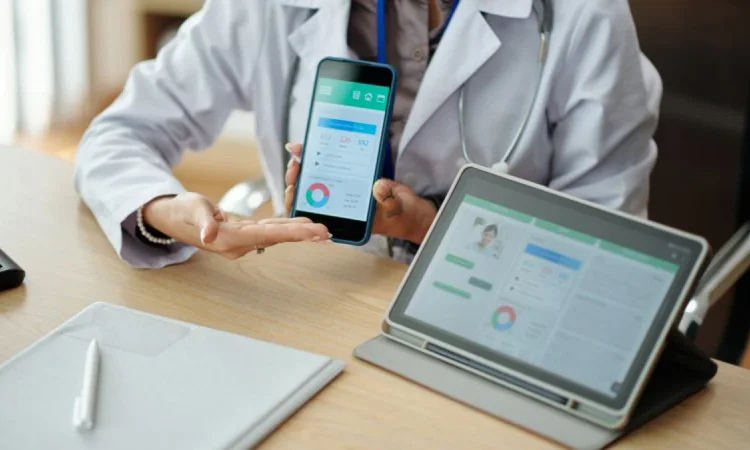
One of the biggest challenges in value-based care is maintaining continuity beyond the hospital or doctor’s office. Patients, particularly those with chronic conditions, often experience health deterioration between scheduled appointments. Medical alert systems provide a solution by enabling round-the-clock monitoring that empowers early interventions.

According to a report by MarketsandMarkets, the global personal emergency response systems (PERS) market is expected to grow from $6.3 billion in 2022 to $9.4 billion by 2027, at a CAGR of 8.4%. This signals the growing role of these systems not only in personal safety but in structured healthcare delivery frameworks.

When connected to care management teams, medical alert systems can trigger alerts that allow healthcare providers to act before small issues escalate into hospital admissions. This proactive response fits seamlessly into the goals of value-based care: improving outcomes, reducing costs, and enhancing patient satisfaction.

ROI for Providers and Payers

Beyond patient health, medical alert systems can also generate measurable returns for providers and insurers participating in value-based care arrangements. Avoidable hospitalizations are costly—not only financially but in the context of performance-based metrics.

In a Kaiser Permanente study, implementation of remote patient monitoring tools led to a 50% reduction in hospital readmissions for heart failure patients. While not all remote tools are the same, medical alert systems can contribute to similar outcomes when used strategically within care plans.

Furthermore, these systems offer detailed incident reports and usage analytics that inform population health strategies. They can identify trends in patient behavior or symptoms, helping care coordinators adjust treatments or follow-up schedules.

Supporting the Aging Population

As the population ages, the demand for healthcare services will surge. A recent report by the Administration for Community Living projected that adults over 65 will make up 21.6% of the population by 2040. This demographic shift poses both a challenge and an opportunity for healthcare delivery models.

Medical alert systems are uniquely suited to serve this group. They enable aging individuals to remain in their homes longer without compromising their safety, aligning with the objectives of aging-in-place initiatives. By preventing injuries from becoming emergencies, these systems reduce reliance on acute care services and support population-level health improvements.

Integrating Medical Alert Systems Into Health IT Ecosystems

For healthcare leaders, the question is no longer whether medical alert systems are useful, but how to integrate them effectively into existing health IT ecosystems. Strategic partnerships with alert system providers are emerging as a key trend. These collaborations allow health systems to access data in real-time and deliver more personalized care.

Entrepreneurial startups are also entering the scene, offering white-labeled or co-branded alert solutions that can be customized to the needs of large healthcare providers. From wearable tech companies to AI-based monitoring platforms, innovation is reshaping how medical alert systems are perceived—and deployed.

Overcoming Adoption Barriers

Despite the promise, adoption isn’t without challenges. Issues related to interoperability, data privacy, and upfront costs can deter institutions from scaling medical alert systems programs. However, these hurdles are not insurmountable.

Forward-thinking healthcare managers are piloting small-scale programs with measurable KPIs. By demonstrating reductions in readmissions or improvements in patient adherence, these initiatives can justify broader investments.

Moreover, as Medicare Advantage plans expand their coverage of home-based technologies, the financial feasibility of deploying medical alert systems across larger populations is improving.

A Shift from Reactive to Predictive Care

Perhaps the most transformative impact of medical alert systems lies in their ability to shift care from reactive to predictive. Instead of waiting for patients to report issues—or worse, present at the emergency room—providers can intervene based on real-time alerts.

This model of care reduces provider burden, limits unnecessary utilization, and empowers patients to participate in their health management. For startup founders and C-suite decision-makers, the takeaway is clear: investing in the right alert technologies today can create outsized returns tomorrow.

Conclusion

As value-based care becomes the dominant paradigm in healthcare delivery, success will depend on how well providers extend their reach beyond traditional care settings. Medical alert systems offer a practical, scalable, and data-rich way to do just that.

They are not a silver bullet, but in combination with broader remote care and digital health initiatives, they may indeed be the missing piece that connects the dots in a fragmented care continuum. For business leaders, innovators, and healthcare executives aiming to create meaningful impact, it’s time to move medical alert systems from the periphery to the core of strategic planning.



About the Author

Rachel Kim
Rachel Kim

Rachel Kim specializes in early childhood education and learning development. Their approach combines developmental psychology with teaching methodology research. They focus on how early interventions and quality instruction affect long-term educational outcomes. Their reporting highlights best practices in early literacy, numeracy, and social-emotional learning. They frequently examine the factors that contribute to achievement gaps and educational equity. They are known for translating child development research into practical classroom strategies. Their perspective is shaped by conversations with early childhood educators, pediatric psychologists, and education policymakers. They write about play-based learning, assessment methods, and parent engagement. They emphasize the critical importance of the foundational years in education. Their work helps parents and educators support optimal child development and school readiness.

Comments

Join the discussion and share your thoughts.

No comments yet. Be the first to comment.

Leave a Reply

Your email address will not be published.

Related Posts

Sleep Apnea and Insurance: How Coverage Gaps Are Affecting Patients and Providers?

Sleep Apnea and Insurance: How Coverage Gaps Are Affecting Patients and Providers?

The Payer Policy Review Committee of the American Academy of Sleep Medicine started an initiative to assess the alignment between clinical practice guidelines and private payer medical policies. Chronic sleep impairment is highly prevalent in polychronic patients. Sleep apnea is a widely caused sleep-related breathing disorder that results in several life-threatening diseases. It has systemic effects on various functional systems in the human body. Ignored sleep apnea can result in heart disease

Posted on: by Jessica Torres
Prostate Health Myths vs. Facts: What Every Man Should Know?

Prostate Health Myths vs. Facts: What Every Man Should Know?

Prostate health is one of the most crucial aspects of a man’s health discussion. There are several misunderstood preconceived notions about it. There is a lack of awareness in the context of this subject. Often men fail to recognize the significance of regular prostate screenings & the symptoms associated with it. Whenever in doubt about prostate issues, one should immediately contact a medical practitioner. This is one of the most pressing concerns overall on a global scale.

Posted on: by Rachel Kim
The Global Wellness Revolution: Shaping a Healthier Future for All

The Global Wellness Revolution: Shaping a Healthier Future for All

In today’s fast-paced world, the pursuit of wellness has become more than a trend—it is a way of life. Across continents and cultures, people are prioritizing their physical, mental, and emotional well-being like never before. The global wellness industry, valued at over $5 trillion and growing steadily, reflects this profound shift toward holistic health. From personalized wellness programs and digital health innovations to eco-friendly beauty and mindfulness practices, the industry is reshapin

Healthcare
Cold Water Therapy and Cardiovascular Health: Safe or Risky?

Cold Water Therapy and Cardiovascular Health: Safe or Risky?

Opting for cold water therapy has become a popular trend these days over the internet. You can see a lot of celebs, influencers & prominent personalities trying this trend. The trend is known as the polar bear plunge in anticipation of raising funds for a social cause. When exposed to cold water it enhances blood pressure and fat levels for those who’re in good health generally. Our hearts work harder when we’re moving through water than when we’re on land.

Healthcare
How AI and Machine Learning Are Revolutionizing Emergency Care?

How AI and Machine Learning Are Revolutionizing Emergency Care?

Healthcare is a challenging and complex sphere for those in the emergency care sector niche. Artificial intelligence (AI) & Machine Learning (ML) have been emerging in the arena of healthcare to disrupt the conventional methods of giving patient care. This integration of AI in emergency nursing can significantly transform patient treatment & be life-saving, which was not possible a decade ago. The promise of AI in improving emergency healthcare practices and patient care is clear, yet the identi

Healthcare
The Role of Immunotherapy in Chronic Disease Management

The Role of Immunotherapy in Chronic Disease Management

Chronic disease management has become a global healthcare priority, as conditions such as cancer, diabetes, rheumatoid arthritis, and multiple sclerosis continue to affect millions worldwide. Traditional treatments often focus on symptom control rather than addressing the root cause of the disease. However, the rise of immunotherapy is revolutionizing chronic disease management by harnessing the body's immune system to fight illnesses more effectively.

Healthcare
How is Health AI addressing Disparities in Rural Healthcare Access?

How is Health AI addressing Disparities in Rural Healthcare Access?

Access to quality healthcare remains a persistent challenge for rural communities worldwide. Rural populations often face a shortage of healthcare providers, longer travel times to medical facilities, and limited access to specialized treatments. Health AI, the integration of artificial intelligence in healthcare services, is emerging as a transformative solution to bridge these gaps. By leveraging machine learning, predictive analytics, and telemedicine, health AI is enabling early disease dete

Healthcare
How is Digital Health Closing the Gap in Rural and Underserved Communities?

How is Digital Health Closing the Gap in Rural and Underserved Communities?

Digital health tools can help improve access to outcomes for patients that need care & attention in more than many ways. Over a single app, it bridges the gap between the instant action needed & the suffering of the patients. Rural communities often face the challenge of access to healthcare services partially due to limited healthcare infrastructure. Digital health is an instant solution to problems like geographic isolation, shortage of health professionals, and socioeconomic disparities. Thes

Healthcare
Remote Monitoring and Mental Health: Can Digital Tools Improve Patient Outcomes?

Remote Monitoring and Mental Health: Can Digital Tools Improve Patient Outcomes?

Mental health disorders affect over 970 million people worldwide, according to the World Health Organization (WHO), with conditions like anxiety, depression, and stress-related disorders becoming more prevalent. Despite growing awareness, mental healthcare access remains a challenge, particularly due to shortages of professionals, high treatment costs, and stigma.

Healthcare
How Pharma Giants Are Partnering With Digital Therapeutics Startups?

How Pharma Giants Are Partnering With Digital Therapeutics Startups?

In an era when healthcare is shifting from volume to value, pharmaceutical giants are entering a new kind of collaboration—one that's not grounded in chemistry, but in code. The rise of digital therapeutics (DTx) is rapidly changing how conditions are treated, managed, and even prevented, and major pharma players aren’t just watching—they’re investing, integrating, and innovating alongside nimble startups. This isn’t a passing trend. It’s a redefinition of healthcare delivery, and it’s setting t

Healthcare