

In the modern world, where technological advancements and artificial environments are becoming increasingly prevalent, many athletes and fitness enthusiasts are rediscovering the power of nature in enhancing performance and well-being. From outdoor sports to nature-based fitness regimens, the role of natural elements—such as fresh air, sunlight, and natural landscapes—has proven to be an integral part of achieving optimal health and fitness. In this article, we explore the importance of incorporating natural elements into sports and fitness routines and how they contribute to overall physical and mental well-being.
The Power of Nature in Enhancing Fitness
For centuries, humans have relied on the natural environment for physical activity, whether for hunting, farming, or outdoor recreation. Today, fitness trends are shifting back to nature, with more people opting for outdoor workouts and nature-based activities. Research shows that exposure to natural elements offers numerous health benefits that cannot be replicated by artificial environments like gyms.
Key Benefits of Natural Elements in Fitness:
Improved Mental Health: Natural environments have been shown to reduce stress, anxiety, and depression, fostering better mental well-being.
Better Cardiovascular Health: Outdoor activities, especially those involving natural terrains, promote better cardiovascular health by increasing heart rate variability.
Increased Energy and Vitality: Fresh air, sunlight, and outdoor exposure can lead to higher energy levels and enhanced physical performance.
How Natural Elements Enhance Sports Performance

Natural elements offer a unique advantage when it comes to improving athletic performance. Whether it's running on a trail, swimming in a natural body of water, or practicing yoga outdoors, each element—sunlight, fresh air, and natural surroundings—plays a key role in enhancing the overall training experience.
1. Fresh Air and Oxygen-Rich Environments
One of the primary benefits of exercising outdoors is the access to fresh air, which is rich in oxygen. Compared to indoor environments, outdoor spaces tend to have higher concentrations of oxygen, which can enhance athletic performance by improving endurance, stamina, and recovery times. Fresh air helps deliver more oxygen to the muscles, allowing athletes to perform at their best during workouts or competitions.
Boosts Endurance: Higher oxygen levels allow the body to perform for longer periods, improving stamina.
Faster Recovery: Fresh air accelerates recovery by improving circulation and oxygen delivery to muscles.
2. Sunlight for Vitamin D and Mood Enhancement
Sunlight is a natural source of vitamin D, which plays a crucial role in maintaining strong bones, immune function, and muscle performance. Engaging in sports and fitness activities outdoors exposes individuals to sunlight, promoting vitamin D production and improving overall health. Additionally, exposure to sunlight has been shown to improve mood, reduce stress, and increase serotonin levels, which are all vital for mental wellness during exercise.
Increases Vitamin D: Helps maintain bone density and muscle function.
Boosts Mood: Sunlight exposure triggers the release of serotonin, helping to combat stress and improve mental clarity.
3. Natural Terrain and Its Impact on Performance
Training on varied, natural terrains—such as trails, beaches, hills, and forests—offers an excellent way to challenge the body and improve balance, strength, and agility. Uneven terrain engages different muscle groups, improving coordination and stimulating different movement patterns compared to flat surfaces like gym floors. Natural obstacles and inclines also encourage greater effort and strength, leading to more dynamic and functional fitness gains.
Improved Balance and Agility: Uneven terrain challenges the body's stability and proprioception.
Strength Development: Climbing hills, running on sand, or hiking through forests engages various muscle groups, strengthening the body in diverse ways.
4. Natural Water Bodies and Recovery
Water has long been recognized for its therapeutic benefits, especially in the form of aquatic therapy or swimming. Natural bodies of water—such as lakes, rivers, and oceans—offer unique benefits for recovery, mobility, and overall well-being. The buoyancy of water reduces the strain on joints, making it an excellent option for rehabilitation and muscle recovery. Swimming and other water-based exercises provide full-body engagement, offering both cardiovascular and strength benefits.
Joint-Friendly Recovery: Water-based exercises reduce impact on joints while providing an effective workout.
Enhanced Muscle Recovery: Immersion in cool natural water can reduce inflammation and muscle soreness post-exercise.
The Mental Benefits of Exercising in Nature

While the physical benefits of outdoor fitness are well-known, the mental health advantages of spending time outdoors are just as significant. Nature has a calming effect that can help reduce the mental strain that comes with intense training or daily stress. By engaging with natural elements, athletes and fitness enthusiasts can enjoy improved focus, clarity, and emotional resilience.
1. Reduced Stress and Anxiety
Exercising in nature has been shown to significantly reduce stress levels. Natural surroundings have a calming effect on the mind, lowering cortisol levels—the body's stress hormone. Activities like trail running, cycling, or practicing mindfulness in a park can help athletes relax, refocus, and achieve a mental state conducive to high performance.
Stress Reduction: Time spent in nature lowers cortisol levels, helping individuals relax and recuperate mentally.
Improved Focus: The peace of nature can sharpen concentration and mental clarity, benefiting performance.
2. Increased Motivation and Engagement
Training outdoors in natural settings can foster a sense of novelty and adventure, which can boost motivation. The changing scenery and dynamic environments keep workouts interesting, preventing the mental burnout that often comes with repetitive gym routines. Nature's unpredictability and beauty can inspire athletes to push their limits and engage fully with their fitness goals.
Prevents Burnout: The variation of outdoor environments keeps workouts fresh and stimulating.
Heightened Motivation: Natural beauty and challenges can inspire greater enthusiasm for fitness.
Incorporating Natural Elements into Your Fitness Routine
Incorporating natural elements into your fitness routine doesn’t have to mean abandoning your indoor workouts entirely. A balanced approach, blending outdoor activities with indoor training, can provide a well-rounded fitness regimen. Here are some ideas for integrating natural elements into your routine:

1. Outdoor Running and Hiking
Running or hiking in parks, trails, or mountains offers a great way to engage with nature while improving cardiovascular health. The varied terrain helps build endurance, strength, and agility while providing an opportunity to enjoy the natural world.
Trail Running: Challenging yourself on trails helps with stamina and balance.
Hiking: Hiking uphill or on uneven paths engages more muscles than flat surface walking, providing a full-body workout.
2. Yoga and Meditation in Natural Settings
Practicing yoga or meditation outdoors allows you to connect with nature, enhancing both physical and mental well-being. The calming environment of natural surroundings, combined with deep breathing exercises, can help reduce stress and improve mental clarity.
Outdoor Yoga: Practicing yoga in a park, beach, or forest enhances relaxation and improves flexibility.
Nature Meditation: Meditation by a river or under a tree can elevate the mindfulness experience, bringing peace to the mind.
3. Swimming and Water-Based Activities
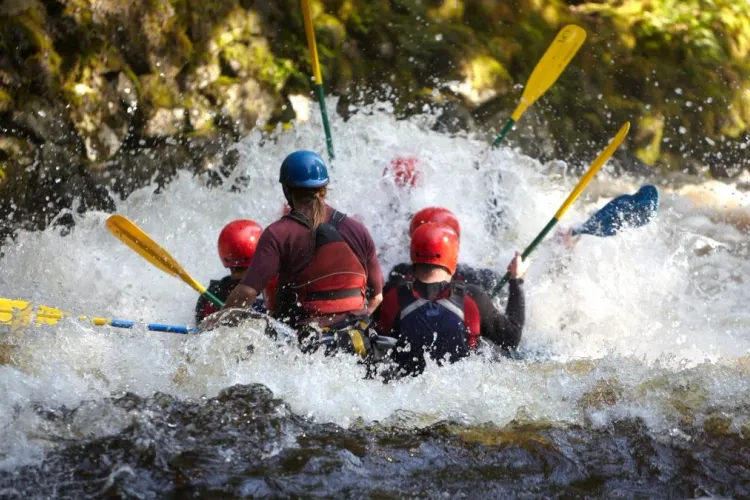
If you have access to natural bodies of water, swimming or engaging in water sports such as kayaking or paddleboarding offers a complete fitness experience that is low-impact and highly effective for cardiovascular and muscle development.
Swimming: A great low-impact workout that strengthens muscles and enhances cardiovascular health.
Kayaking and Paddleboarding: Engages core muscles while providing a peaceful connection to water.
4. Outdoor Strength Training
Strength training can also be adapted for outdoor settings. Utilizing natural elements like logs, rocks, or tree branches, you can create an outdoor workout that improves strength and engages your body in new ways.
Bodyweight Exercises: Push-ups, squats, and lunges can be done on grass or sand to enhance core stability.
Functional Strength Training: Use rocks or logs for lifting exercises to incorporate more natural elements into your training.
Conclusion
The role of natural elements in sports and fitness cannot be overstated. From the fresh air and vitamin D benefits of sunlight to the calming effects of nature and the physical challenges of outdoor terrain, nature has a powerful impact on both the body and mind. By incorporating outdoor activities, fresh air, natural landscapes, and water-based exercises into your fitness routine, you can experience greater physical performance, enhanced mental well-being, and a deeper connection to the environment. As the saying goes, sometimes the simplest solutions are the most effective, and in the case of fitness, nature proves to be the ultimate tool for health and performance.








Leave a Reply
Your email address will not be published.