

Knee replacement surgery has emerged as one of the most commonly performed orthopedic procedures in recent decades. In the U.S. alone, over 790,000 knee replacement surgeries are conducted annually, a number expected to grow significantly with the aging population and rising rates of joint-degrading conditions such as osteoarthritis. As demand grows, so does the need for innovation that can improve patient outcomes, reduce complications, and optimize healthcare resources. One of the most transformative innovations is the application of data analytics in knee arthroplasty.
This article explores how data analytics is reshaping knee resurfacing, enabling healthcare organizations to increase success rates, reduce costs, and deliver personalized care. For CEOs, startup founders, and managers in healthcare and technology sectors, understanding this intersection is vital to capitalizing on future trends that will shape the industry’s next chapter.
Rising Demand for Knee Replacement Surgery and Associated Challenges
Knee reconstruction is no longer reserved for the elderly alone. Increasingly, younger patients with active lifestyles or those affected by obesity-related joint wear are undergoing the procedure. This shift has expanded the scope and complexity of surgeries, making precise surgical planning and long-term patient management more important than ever.
However, knee arthroplasty presents challenges. Post-surgical complications, including infection, implant loosening, or limited joint mobility, can significantly impact patient satisfaction and healthcare costs. Furthermore, varying patient profiles mean that a one-size-fits-all approach to surgery and recovery no longer suffices.
Healthcare providers must now leverage advanced tools to predict risks, optimize surgical techniques, and tailor rehabilitation programs. This is where data analytics plays an indispensable role.
Data Analytics in Patient Selection for Knee Replacement Surgery

One of the earliest and most critical decisions in knee resurfacing is identifying suitable candidates. Traditional assessment methods rely heavily on clinical judgment, which, while invaluable, can be subjective and inconsistent.
Data analytics allows providers to use large datasets comprising patient demographics, medical histories, imaging studies, and even genetic markers to create predictive models. These models estimate the likelihood of successful outcomes and identify potential risk factors such as diabetes, cardiovascular issues, or obesity that could complicate knee reconstruction.
For example, predictive analytics platforms can analyze thousands of patient records to pinpoint which profiles are likely to experience faster recovery and fewer complications. This enables surgeons to prioritize cases where knee prosthesis surgery will deliver the greatest benefit, improving overall success rates and resource utilization.
Enhancing Surgical Precision Through Data-Driven Technologies
The precision required in knee replacement surgery is immense, as even minor errors in implant positioning can lead to premature wear or joint instability. Traditionally, surgeons relied on experience and manual guides, but data analytics integrated with robotic-assisted surgery systems is revolutionizing this process.
Robotic platforms collect real-time intraoperative data, including three-dimensional mapping of the joint and bone structure. Analytics algorithms process this data to guide surgeons in placing implants with optimal alignment and fit. This level of accuracy is unattainable through manual methods alone and has been linked to improved long-term joint function and reduced revision surgeries.
Moreover, smart surgical tools embedded with sensors continuously gather biomechanical data during the procedure, providing surgeons with immediate feedback on joint tension and balance. By integrating these insights, surgeons performing knee resurfacing can adapt their approach dynamically to achieve the best patient-specific outcome.
Personalized Rehabilitation Powered by Data Analytics
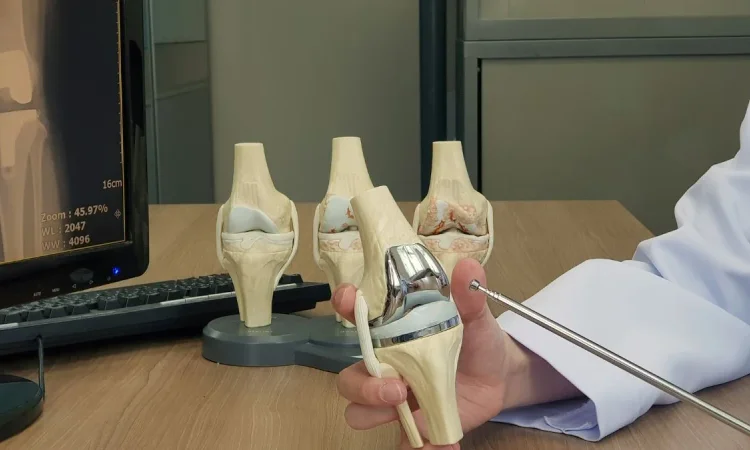
The journey to recovery after knee replacement surgery extends well beyond the operating room. Postoperative rehabilitation is a critical factor influencing the overall success and patient satisfaction.
Data analytics enables healthcare providers to personalize rehabilitation protocols based on individual patient progress. Wearable devices, mobile apps, and remote monitoring tools collect continuous data on patients’ mobility, pain levels, and adherence to physical therapy exercises.
Analyzing this data, care teams can detect early signs of complications such as stiffness or inflammation and intervene promptly. Adaptive rehabilitation programs informed by real-time analytics can accelerate recovery times and enhance joint functionality.
Additionally, data-driven feedback empowers patients to stay engaged and motivated throughout their rehabilitation, a key factor in long-term success following knee replacement surgery.
Financial and Operational Benefits of Analytics in Knee Replacement Surgery
For healthcare executives and hospital managers, the integration of data analytics into knee reconstruction yields considerable financial and operational advantages. Improved patient outcomes reduce costly hospital readmissions and complications, directly impacting the bottom line.
Analytics also optimize scheduling, inventory management, and resource allocation. Predictive models forecast surgery durations and postoperative care needs, enabling better planning and reducing wait times. Supply chains for implants and surgical instruments benefit from data-driven demand forecasts, minimizing stockouts or excess inventory.
A recent study highlighted that hospitals adopting data analytics in knee prosthesis surgery saw a 15% reduction in length of stay and a 10% drop in readmissions. These operational efficiencies translate into enhanced patient experiences and strengthened competitive positioning in a value-driven healthcare market.
The Road Ahead: Innovations Shaping the Future of Knee Replacement Surgery
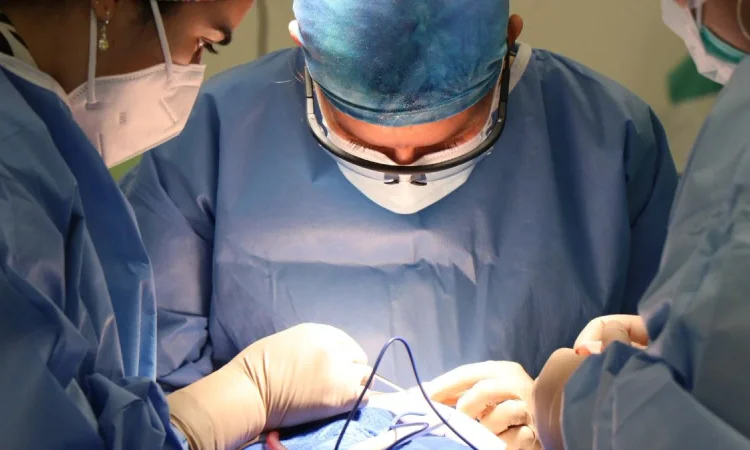
The convergence of data analytics with emerging technologies promises to further improve knee joint replacement outcomes. Artificial intelligence (AI) is being leveraged to automate the interpretation of imaging studies, enhancing diagnostic accuracy and surgical planning.
Additionally, advances in 3D printing allow for the creation of patient-specific implants informed by detailed data models. This level of customization improves implant integration and longevity.
Blockchain technology is also gaining traction as a secure method for managing patient data, facilitating seamless collaboration among multidisciplinary care teams while ensuring data privacy.
Startups innovating at this intersection of data analytics and orthopedic surgery are receiving significant investment, reflecting the sector’s growth potential. For business leaders, understanding and investing in these trends will be key to driving innovation and sustainable growth.
Conclusion
Knee replacement surgery is undergoing a significant transformation powered by data analytics. From refining patient selection to enhancing surgical precision and personalizing rehabilitation, analytics is improving success rates and operational efficiency across the board.
For CEOs, startup founders, and managers, embracing data analytics in knee implant surgery represents a critical opportunity to lead in healthcare innovation. This data-driven approach not only elevates patient care but also creates scalable, sustainable models for the future of orthopedic surgery. By integrating data analytics into knee resurfacing workflows, healthcare organizations position themselves at the forefront of value-based care, ensuring better outcomes for patients and stronger financial performance.






Leave a Reply
Your email address will not be published.