
In the modern age, technology no longer lives in the background; it walks with us, talks with us, and in many ways, anticipates our needs before we do. At the heart of this revolution are wearables, powered and refined by artificial intelligence (AI). What once started as a simple pedometer or a wristwatch has now evolved into a hyper-intelligent ecosystem that connects health, productivity, entertainment, and even emotions. The AI ecosystem era isn’t on its way; it’s already here. And wearables have cemented their place as everyday companions in our personal and professional lives.
This article explores the rapid rise of AI-driven wearables, their role in shaping modern lifestyles, the industries they’re transforming, and what the future holds for this ever-growing ecosystem.
The Evolution of Wearables: From Utility to Intelligence
Wearables are not new. The earliest iterations, like digital watches and hearing aids, provided functional assistance but offered little interactivity. Fast forward to the 2010s, when fitness trackers like Fitbit and smartwatches like the Apple Watch began monitoring heart rates, counting steps, and syncing with mobile apps.
The real transformation occurred when AI entered the scene. Machine learning algorithms and predictive analytics turned wearables from reactive devices into proactive companions. Instead of just recording steps, they started suggesting workouts, reminding users to hydrate, detecting stress levels, and even predicting potential medical risks.
In short, wearables shifted from being gadgets to becoming intelligent partners.
The AI Ecosystem at Work
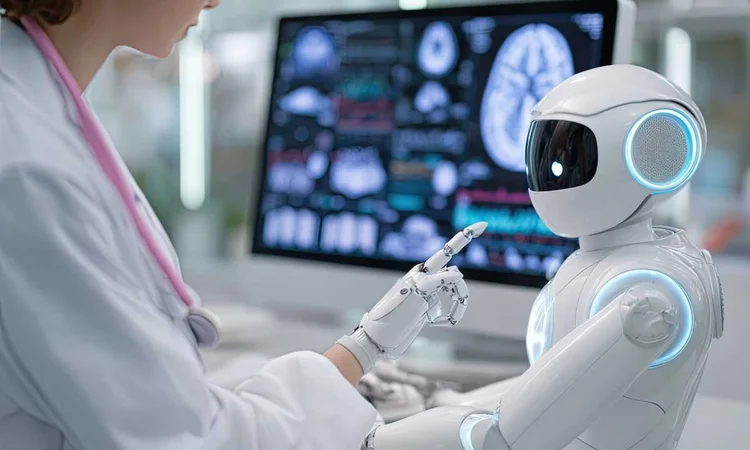
What makes modern wearables revolutionary isn’t just the hardware strapped to your wrist, clipped to your clothing, or embedded in glasses; it’s the ecosystem of AI that powers them.
Here’s how AI drives this transformation:
Personalized Health Insights
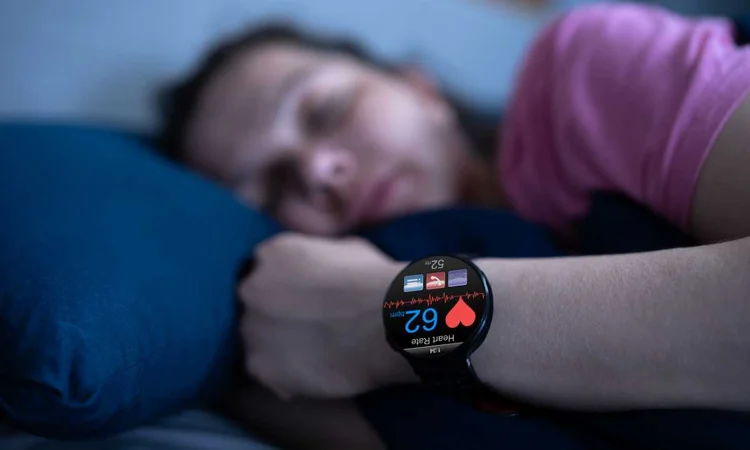
AI analyzes data streams from sensors, such as heart rate, oxygen saturation, and sleep cycles, to provide real-time health feedback.
Wearables can now detect irregular heartbeats, monitor glucose levels, and identify early signs of conditions like sleep apnea.
Seamless Connectivity
Today’s wearables integrate with smartphones, cloud platforms, and IoT devices, forming a connected web of services.
Smart assistants like Siri, Alexa, and Google Assistant extend their presence into wearables, enabling hands-free operations.
Behavior Prediction
Beyond collecting data, AI interprets patterns in lifestyle behaviors. For example, predicting when stress levels may rise and recommending breathing exercises.
Some wearables can even detect emotional states through voice tone analysis or skin temperature.
Continuous Learning
AI ensures wearables become smarter the longer you use them. They learn your patterns, when you sleep, how you exercise, when you’re most productive, and adjust their recommendations accordingly.
This constant evolution transforms wearables from passive trackers to living, adaptive ecosystems.
Everyday Companions: How Wearables Fit Into Daily Life
AI-powered wearables are no longer niche devices; they are becoming essential tools for everyday living. Here are some ways they serve as companions across different aspects of life:
1. Health and Wellness Partner
Smartwatches monitor vitals in real time and alert you or your doctor to abnormalities.
Devices like Oura Ring track sleep quality, helping users optimize rest for productivity and wellness.
Mental health support is emerging too, with wearables detecting stress levels and providing mindfulness exercises.
2. Fitness Coach
AI-driven apps in wearables adjust workout recommendations based on past performance and goals.
Voice prompts, haptic feedback, and gamification features make exercising more engaging.
3. Productivity Assistant
Smart glasses provide hands-free access to information for professionals in fields like engineering, healthcare, and logistics.
Wearables integrate with calendars, messaging apps, and reminders, helping manage tasks on the go.
4. Safety Companion
Fall detection in smartwatches can automatically call emergency services.
GPS-enabled wearables provide safety for children and elderly users, giving families peace of mind.
5. Entertainment Hub
From immersive AR/VR headsets to AI-curated music playlists, wearables deliver entertainment in highly personalized ways.
Smart earbuds adapt sound based on environmental noise and personal hearing profiles.
Industries Transformed by Wearables
The influence of AI wearables extends far beyond consumer convenience; it’s reshaping industries:
Healthcare: Wearables have revolutionized healthcare by offering remote patient monitoring. Doctors can track patients’ vitals without requiring hospital visits. AI predicts potential health risks, enabling preventative care rather than reactive treatment.
Sports and Fitness: Athletes now use AI-powered wearables to monitor muscle recovery, hydration, and fatigue. Coaches analyze data to optimize performance strategies.
Corporate Workplaces: Companies leverage wearables to boost employee productivity and wellness. For example, stress-detection features can trigger company-provided mindfulness programs.
Retail and Payments: Smartwatches and rings now enable contactless payments, integrating e-commerce with wearable convenience.
Education and Training: AR/VR headsets powered by AI are transforming education, making learning interactive and immersive for students and professionals.
Benefits of the AI Wearable Era
Accessibility: Real-time health data empowers individuals to take control of their well-being.
Efficiency: Productivity increases when tasks, reminders, and data are accessible on the go.
Safety: From emergency alerts to fall detection, wearables provide an added layer of protection.
Convenience: AI ecosystems reduce friction in daily routines, from unlocking doors to making payments.
Personalization: Continuous AI learning ensures the experience is unique to each individual.
The Challenges Ahead
Despite their promise, wearables face challenges that could slow widespread adoption:
Privacy Concerns
AI wearables collect sensitive biometric and behavioral data. Without robust data protection, users risk breaches of personal information.
Battery Life and Hardware Limitations
As features expand, so does power consumption. Innovations in energy efficiency and battery design are needed.
Cost Barriers
High-end wearables remain expensive, limiting access for some demographics.
Over-Reliance
Users may become overly dependent on wearables, raising questions about autonomy and natural decision-making.
The Future of Wearables: A Glimpse Ahead

The future of AI wearables is bound to be more immersive, integrated, and indispensable. Trends to watch include:
Bio-integrated Sensors: Devices embedded in the skin or clothing to deliver even more precise health monitoring.
AI-Powered AR Glasses: Combining real-world and digital experiences for work, entertainment, and education.
Emotionally Intelligent Wearables: Devices that detect mood shifts and provide tailored interventions.
Interconnected Ecosystems: Wearables will seamlessly communicate with smart homes, cars, and workplaces, creating a unified AI-driven lifestyle.
Sustainability: As the market grows, manufacturers will need to embrace eco-friendly materials and recycling systems.
Conclusion: Wearables as Life Partners
We’ve entered an era where technology is no longer just a tool; it’s an everyday partner. Wearables powered by AI represent more than convenience; they embody a fundamental shift in how we live, work, and care for ourselves.
As these devices become smarter, more intuitive, and more interconnected, they will weave themselves into the very fabric of our daily existence. From health to productivity, from entertainment to safety, wearables are not just shaping the future; they’re shaping us.
The AI ecosystem era has begun, and it’s here to stay. And in this new world, your wearable isn’t just on your wrist, in your ear, or over your eyes; it’s by your side, every step of the way.



Leave a Reply
Your email address will not be published.