
The shift from traditional offices to remote work has transformed how businesses operate and how professionals approach their careers. The concept of working from “anywhere” is no longer just a perk; it’s an expectation in today’s digital-first world. However, thriving in a remote work environment requires more than a laptop and Wi-Fi. The right tools and technology are critical to maintaining productivity, collaboration, and engagement, no matter where you are in the world. In this guide, we’ll explore the essential tools and tech solutions that make remote work seamless and efficient.
1. Communication Tools: Staying Connected Across Time Zones
Clear and effective communication is the cornerstone of successful remote work. Without face-to-face interactions, teams need digital channels to collaborate and stay aligned.
Video Conferencing
Video conferencing tools have become essential for team meetings, client calls, and brainstorming sessions.
Zoom: Popular for its reliability, screen-sharing capabilities, and breakout rooms for smaller discussions.
Microsoft Teams: Combines video conferencing with chat and integration with Microsoft 365 apps.
Google Meet: A simple, browser-based option integrated with Google Workspace for seamless scheduling and sharing.
Messaging & Chat Platforms
Instant messaging keeps teams in constant contact without overwhelming email inboxes.
Slack: Offers channels for team projects, direct messaging, and app integrations to streamline workflows.
Discord: While originally for gamers, it’s increasingly popular for professional communities and informal team chats.
Microsoft Teams Chat: Integrates seamlessly with project files and collaborative documents.
Effective communication tools reduce misunderstandings, maintain transparency, and foster a sense of connection among remote teams.
2. Project Management Tools: Organizing Work Anywhere

[Source - Computerworld]
Remote work often means coordinating across teams, time zones, and projects. Project management tools keep everyone aligned and tasks on track.
Trello: A visually intuitive platform using boards and cards to track tasks, deadlines, and project progress.
Asana: Enables teams to create tasks, set priorities, and monitor project timelines with Gantt charts and calendars.
Monday.com: Offers customizable workflows, automation, and reporting to streamline team productivity.
By centralizing tasks and deadlines, these tools prevent bottlenecks, ensure accountability, and improve overall efficiency.
3. Collaboration Tools: Bridging the Physical Gap
Collaboration goes beyond communication; it’s about co-creating documents, brainstorming, and maintaining version control.
Google Workspace: Includes Docs, Sheets, Slides, and Drive for real-time collaboration on documents.
Notion: Combines note-taking, project management, and wikis for team knowledge sharing.
Miro: A digital whiteboard platform perfect for brainstorming sessions, mind maps, and interactive workshops.
These tools allow remote teams to work together seamlessly, almost as if they were in the same office.
4. Cloud Storage Solutions: Access Files Anywhere
Reliable access to files is crucial when working remotely. Cloud storage ensures your data is secure, accessible, and shareable from any location.
Dropbox: Offers file storage, sharing, and team collaboration features.
Google Drive: Cloud storage integrated with Google Workspace for easy access and sharing.
OneDrive: Ideal for teams using Microsoft 365, providing seamless integration and secure file storage.
Cloud storage reduces dependency on physical devices, minimizes data loss risks, and facilitates smooth collaboration.
5. Time Management & Productivity Tools: Maximize Efficiency
Remote work requires discipline and self-management. Time management tools help professionals focus and optimize productivity.
Toggl: Tracks work hours and project-specific time to improve productivity and resource allocation.
RescueTime: Monitors digital habits, identifies distractions, and provides productivity reports.
Focus@Will: Uses music and soundscapes scientifically designed to improve concentration.
Time management tools help remote workers stay accountable and create structured workflows in a flexible environment.
6. Virtual Private Networks (VPNs): Security Anywhere
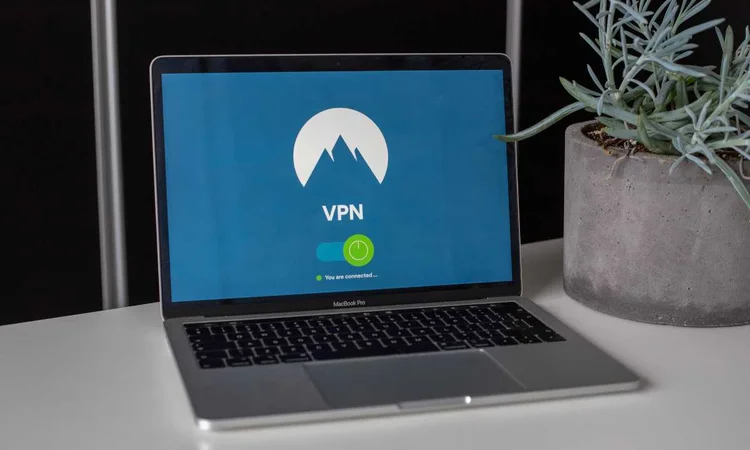
[Security Anywhere]
Cybersecurity is more critical than ever in a remote work environment. VPNs encrypt internet traffic, protecting sensitive information from hackers and unsecured networks.
NordVPN: Offers high-speed connections, strong encryption, and global server access.
ExpressVPN: Known for reliability, speed, and compatibility with multiple devices.
CyberGhost: A budget-friendly option with extensive server coverage and easy setup.
A VPN ensures that work-related data remains safe, particularly when using public Wi-Fi in cafés or co-working spaces.
7. Remote Desktop & Cloud Computing: Work From Any Device
Accessing office computers and resources remotely allows employees to stay productive without being physically present.
TeamViewer: Provides remote access to computers and troubleshooting capabilities.
AnyDesk: Lightweight and fast remote desktop software for seamless device control.
AWS WorkSpaces: A cloud-based virtual desktop solution for enterprise teams.
Remote desktop tools provide flexibility while maintaining access to essential resources and software.
8. Automation & Workflow Tools: Reduce Repetitive Tasks
Automation reduces manual work, allowing remote teams to focus on high-value activities.
Zapier: Connects apps to automate workflows, e.g., transferring leads from emails to spreadsheets automatically.
IFTTT: Creates conditional workflows between different apps and devices.
HubSpot: Automates marketing, sales, and customer support processes for distributed teams.
Automation enhances efficiency, eliminates human error, and allows remote workers to manage tasks more effectively.
9. Employee Engagement & Well-Being Platforms
Maintaining team morale and engagement is challenging in remote setups. Tools focused on culture, feedback, and well-being foster a connected workforce.
Donut: Encourages virtual coffee chats and team bonding for remote employees.
Officevibe: Collects anonymous feedback, measures engagement, and provides actionable insights.
Headspace for Work: Offers meditation and mental health resources to support well-being.
Investing in employee engagement ensures that remote teams remain motivated, satisfied, and productive.
10. Financial & Time Tracking Tools: Keep Projects on Budget
Managing finances, invoicing, and time tracking is critical for remote teams and freelancers.
QuickBooks Online: Cloud-based accounting software to manage expenses, invoices, and payroll.
FreshBooks: Ideal for freelancers, with time tracking, invoicing, and expense management.
Harvest: Tracks time, expenses, and integrates with project management tools to monitor project budgets.
These tools make it easier to manage financials while working remotely, ensuring projects stay profitable and deadlines are met.
11. Cybersecurity & Password Management Tools
Remote work expands the digital footprint, making security more important than ever.
LastPass: A password manager to securely store and generate strong passwords.
1Password: Manages credentials and sensitive information across devices.
Bitdefender: Provides antivirus protection and safeguards devices from malware.
Strong cybersecurity practices protect both personal and company data, creating a safe remote work environment.
12. Ergonomics & Hardware for Productivity

Technology alone isn’t enough; having the right hardware ensures comfort and efficiency:
Laptops: Lightweight, high-performance laptops like MacBook Air, Dell XPS, or Lenovo ThinkPad.
Monitors: Portable monitors improve multitasking and reduce eye strain.
Keyboards & Mice: Ergonomic options enhance comfort for long work hours.
Headphones: Noise-canceling headphones reduce distractions in shared spaces.
Investing in ergonomic hardware prevents fatigue and supports long-term productivity.
13. Tips for Seamless Remote Work
Even with the best tools, remote work requires intentional habits:
Set clear boundaries: Define work hours and stick to them to prevent burnout.
Regular check-ins: Maintain communication with your team to stay aligned and accountable.
Create a dedicated workspace: Even if it’s a corner of your living room, a designated workspace boosts focus.
Back up data regularly: Use cloud storage and external drives to safeguard work.
Prioritize self-care: Exercise, healthy meals, and mental wellness practices support long-term efficiency.
These habits, combined with the right tools, make remote work productive, enjoyable, and sustainable.
Conclusion
The transition from office to anywhere is no longer a distant dream; it’s the reality of modern work. Digital tools and technology have made it possible to maintain productivity, collaboration, and engagement regardless of location. From communication platforms like Zoom and Slack to project management apps like Trello and Asana, cloud storage solutions, automation tools, and cybersecurity measures, the right tech stack empowers remote workers to succeed.
However, tools alone aren’t enough. Remote work also requires discipline, intentional habits, and a commitment to balance. By combining technology with strategies for time management, well-being, and engagement, professionals can thrive in a flexible, location-independent lifestyle.
The office may no longer be a physical space; it’s now a combination of the right tools, habits, and mindset. With these solutions, working from anywhere becomes seamless, productive, and even enjoyable, allowing professionals to blend work with adventure, personal growth, and global exploration.


Leave a Reply
Your email address will not be published.