

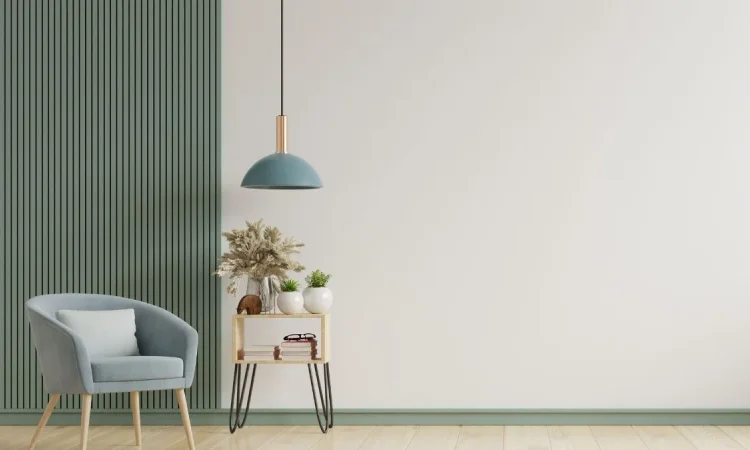
In an age defined by excess, accumulation, and constant noise, the idea of minimalism has struck a deep chord with those yearning for clarity, calm, and purpose. Often misunderstood as a lifestyle of deprivation or stark aesthetics, minimalism is not about living with as little as possible. Instead, it’s a powerful mindset, one that shifts the focus from more to meaning, from quantity to quality, and from clutter to clarity.
Minimalism isn't about sacrificing what you love; it's about making space for what matters most. Whether it’s in your home, calendar, digital life, or even your emotional world, minimalism offers the opportunity to live more intentionally, more fully, and more freely.
In this blog, we’ll explore what minimalism is (and isn’t), debunk common myths, and offer practical guidance on how embracing a minimalist mindset can bring more depth, joy, and peace into your life.
The Modern Problem: A Culture of Excess
We live in a world that constantly encourages us to want more. More clothes. More gadgets. More square footage. More likes. More productivity. More hustle. The messages are relentless: If you're not busy, you're lazy. If you're not growing, you're failing. If you don’t have the latest, you’re falling behind.
This culture of excess isn’t just exhausting, it’s deeply unfulfilling. Despite the abundance of things, many people report feeling overwhelmed, disconnected and burned out. Our closets are full, but our minds are cluttered. Our calendars are packed, but our hearts feel empty.
Minimalism offers an antidote, a radical return to simplicity, focus, and intentionality. It asks us to pause, reflect, and realign our lives with what truly brings meaning and joy.
What Minimalism Means
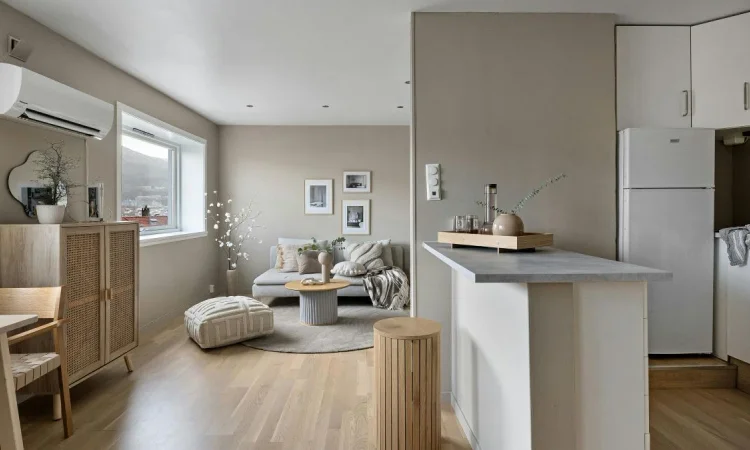
At its core, minimalism is the practice of purposeful living. It's the conscious decision to eliminate the unnecessary so we can fully appreciate and engage with the essential. It’s not just about having fewer things, it’s about having the right things.
Minimalism can be applied to every area of life:
Physical space: Decluttering your home so it feels calm and functional.
Mental space: Letting go of negative self-talk, distractions, and information overload.
Time: Prioritizing your schedule to align with your values, not just your obligations.
Relationships: Investing energy in connections that nourish your soul, rather than drain it.
Work: Focusing on impact over busyness and fulfillment over status.
The ultimate goal of minimalism is not less, but more of what matters.
Minimalism Is Not About Deprivation
A common misconception about minimalism is that it’s about owning almost nothing, living in empty white rooms, or refusing to enjoy nice things. But minimalism isn’t a competition to see who can live with the fewest items.
Minimalism doesn’t mean:
You can't own a TV or a smartphone.
You have to wear the same outfit every day.
You can't decorate your home or enjoy luxuries.
Rather, minimalism is about mindful consumption. It asks: “Does this serve me? Does this add value to my life? Does it reflect who I am and who I want to be?”
If a bookshelf full of novels brings you joy, that’s minimalism. If a closet filled with coordinated outfits makes your mornings easier, that’s minimalism. If a curated collection of art inspires you daily, that too is minimalism, because each item serves a clear, intentional purpose.
The Benefits of a Minimalist Lifestyle
Minimalism isn’t just about aesthetics; it’s deeply psychological and emotional. Here’s what many people discover when they shift toward a minimalist mindset:
1. Clarity and Focus
Clutter, physical, mental, or digital, creates distractions. By removing the excess, you can better concentrate on what truly matters, whether that’s creative work, family time, or personal growth.
2. Less Stress, More Peace
Research shows that cluttered environments increase cortisol (the stress hormone). When your surroundings are calm and organized, your mind naturally follows.
3. Financial Freedom
Minimalism encourages intentional spending. When you stop buying things out of habit, insecurity, or boredom, you save money, and you gain control over your finances.
4. Deeper Relationships
Minimalism makes space not just in your home, but in your heart. With fewer distractions, you can invest more time and energy into meaningful connections.
5. Environmental Impact
Owning less and consuming less also reduces your ecological footprint. Minimalism supports sustainability by encouraging quality over quantity and mindful consumption over mindless waste.
Minimalism in Practice: Where to Begin

If the idea of “decluttering your life” feels overwhelming, start small. Minimalism is not an overnight transformation; it’s a gradual shift in mindset and behavior.
Here’s how to begin:
1. Identify Your “Why”
Before decluttering anything, get clear on your motivation. What do you want more of in your life, peace? Freedom? Time? Creativity? Let your “why” guide your decisions.
2. Start With Physical Space
Begin with a single drawer, closet, or room. Ask yourself:
"Do I use this? Do I love this? Would I buy it again today?"
If the answer is no, consider letting it go.
Don’t aim for perfection, aim for progress.
3. Audit Your Time Commitments
Minimalism isn't just about things, it’s about how you spend your time. Review your schedule and identify obligations that no longer align with your values. Learn to say no to protect your yes.
4. Simplify Your Digital Life
Digital clutter is just as draining as physical clutter. Unsubscribe from emails you never read. Organize your files. Take breaks from social media. Set boundaries with your screen time.
5. Reevaluate Your Spending Habits
Next time you feel the urge to buy something, pause. Ask: “Am I buying this out of need or emotion?” Over time, you’ll become a more conscious consumer, saving money and reducing regret.
Minimalism and Emotional Clutter
Beyond stuff and schedules, many of us carry emotional clutter, guilt, resentment, regret, and limiting beliefs. Minimalism invites us to examine our internal world with the same clarity we apply to our homes.
Are you holding onto old relationships out of obligation?
Are you saying yes when you mean no?
Are you burdened by the fear of missing out?
Letting go emotionally is not easy, but it’s essential for growth. Minimalism encourages us to release what no longer serves our wellbeing, even if it’s invisible.
Journaling, therapy, mindfulness, and honest conversations can help you declutter emotionally and reclaim your inner peace.
The Joy of Intentional Living

At its heart, minimalism is a celebration of intentionality. It’s about choosing with care, acting with purpose, and living in alignment with your values.
This might mean:
Cooking simple meals that nourish your body
Spending more time outdoors and less time online
Creating space to do nothing and just be
Being fully present with your loved ones
Letting go of the chase for “more” and finding joy in “enough”
Minimalism reminds us that life is not a race to accumulate, it’s a journey to connect, create, and cherish.
Minimalism Is Personal
There is no one-size-fits-all version of minimalism. Your minimalist life may look completely different from someone else’s, and that’s the beauty of it.
For some, it might mean moving into a tiny house. For others, it might mean simplifying their parenting routines. For you, it might mean decluttering your mind, not your bookshelf.
Minimalism doesn’t ask you to give up what you love. It simply invites you to question what you truly value, and then build your life around those answers.
Conclusion: Living With Intention, Not Imitation
Minimalism is not a trend or aesthetic. It’s a lifestyle rooted in purpose. It asks us to examine not just what we own, but how we live, love, spend, and show up.
It’s a rebellion against the noise of consumerism and a return to what’s real. It’s about clearing away the clutter, physical, emotional, mental, so we can see what was there all along: what matters most.
So, whether you’re just beginning this journey or already deep in it, remember: minimalism isn’t about living with nothing. It’s about living with everything that truly matters.








Leave a Reply
Your email address will not be published.