


How Orthopedic Technology Is Helping Employers Reduce Workers’ Compensation Costs?

The past few years have seen dramatic changes in workers’ compensation in several aspects. There is an increased focus on workplace safety & injury prevention. This is being integrated with companies that are actively participating in creating a safe work environment. Orthopedic technology imparts a helping hand to the employees in a factory who’ve been injured during the tenure of their service. Also, the employees are helped who are years in service & are close to retirement. All of this is integrated by collaborating with external partners. 

According to the U.S. Bureau of Labor Statistics, MSDs accounted for nearly 30 percent of all workplace injuries in recent years. These conditions, which range from back pain to repetitive strain injuries, not only reduce productivity but also lead to extended absences, costly medical interventions, and, ultimately, rising insurance premiums.

The Financial Toll of Workplace Injuries

For employers, the direct and indirect costs of workplace injuries can be staggering. The National Safety Council reports that U.S. businesses lose over $60 billion annually in workers' compensation costs. Beyond the payouts, there are hidden costs such as lost productivity, overtime payments to cover absent employees, training for replacements, and lower employee morale.

Orthopedic technology is quickly gaining ground as an effective tool to combat these issues head-on. From wearable exoskeletons and AI-powered diagnostics to smart orthotics and real-time movement analysis, the innovations are not only enhancing injury treatment but also offering robust preventive solutions.

Preventive Impact: Proactive Care Through Smart Devices

One of the breakthroughs in orthopedic technology is the development of wearable devices that monitor posture, strain, and repetitive motion. Companies like HeroWear and SuitX have designed exosuits that provide back support and reduce muscle fatigue for workers in logistics, manufacturing, and construction.

By using data analytics and ergonomic feedback, these devices can alert workers and managers about risky movements or behaviors before they lead to injury. Employers who adopt these systems often see a marked reduction in claims and absenteeism. Some pilot programs have demonstrated up to a 30 percent drop in workplace injuries related to lifting and repetitive strain.

Faster Recovery and Reduced Downtime

Orthopedic technology is not just about prevention. Once an injury occurs, it also plays a key role in accelerating recovery and reducing the need for invasive treatments. For example, physical therapy guided by motion capture systems and virtual reality platforms has been shown to improve patient compliance and rehabilitation outcomes.

These tools create personalized treatment plans based on real-time feedback, thereby shortening recovery times and enabling quicker returns to work. For businesses, this means less disruption and a healthier bottom line.

Data-Driven Decision Making for Employers

Advanced orthopedic technologies are increasingly integrated with data analytics platforms that provide employers with actionable insights. By identifying high-risk roles or tasks within the organization, companies can make informed decisions about job design, employee training, and wellness programs.

Some firms are even partnering with orthopedic clinics and wellness providers to offer on-site assessments and early intervention services. These proactive approaches not only improve employee health but also create a culture of care and responsibility, which can boost retention and engagement.

Legal and Insurance Implications

The use of orthopedic technology can also offer advantages from a legal and insurance perspective. Demonstrating that a company has invested in advanced preventive measures can positively influence insurance premiums and reduce litigation risks. Insurance providers are beginning to recognize the role of technology in mitigating injury risk and are offering incentives to firms that adopt certified orthopedic solutions.

Moreover, real-time data collection can protect employers in the event of disputes by providing objective evidence about the physical conditions leading to an injury. This can help resolve claims faster and more fairly, saving time and legal expenses.

Real-World Success Stories

Several U.S. corporations have already reaped the benefits of orthopedic technology. A prominent logistics company in the Midwest implemented wearable exosuits for its warehouse employees and saw a 25 percent reduction in reported back injuries within the first year. A major automotive manufacturer integrated motion analysis into its factory floors and used the insights to redesign workflows, leading to a 40 percent drop in repetitive strain injuries.

These examples show that orthopedic technology is not a futuristic concept but a current-day asset that can produce tangible returns for employers.

Barriers to Adoption and Overcoming Resistance

Despite its promise, some companies hesitate to invest in orthopedic technology due to perceived high costs or employee resistance. However, as with most innovations, the upfront investment often yields substantial long-term savings. Employers can mitigate resistance by involving employees in pilot testing, offering training, and communicating the benefits of these tools.

Government grants and tax incentives related to workplace safety can also offset initial expenses, making it easier for small to mid-sized businesses to embrace the change.

The Road Ahead: Making Health Tech a Business Strategy
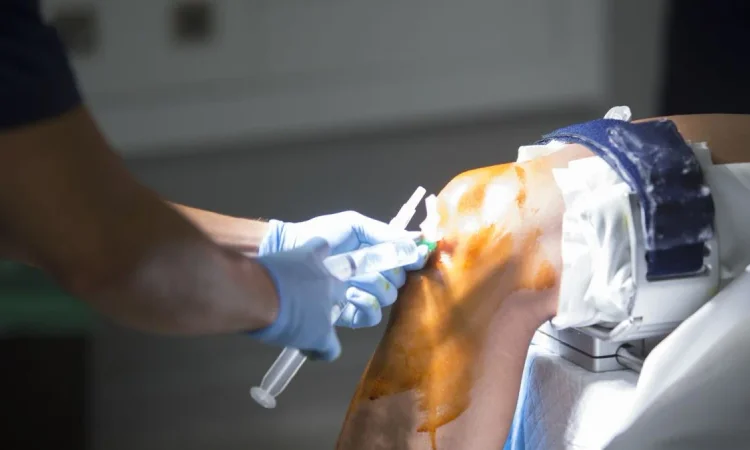
The integration of orthopedic technology into workplace safety protocols marks a shift from reactive to proactive injury management. As more organizations realize the financial and human benefits of these solutions, orthopedic technology is expected to become a standard feature of employer wellness strategies.

For C-suite leaders, the message is clear: investing in orthopedic technology is not just an act of corporate responsibility but a strategic business move that safeguards talent and drives financial resilience.

Conclusion: 

In the competitive U.S. business landscape, staying ahead means protecting your most valuable asset, your workforce. By adopting orthopedic technology, companies can significantly reduce workers’ compensation costs, improve employee well-being, and create safer work environments. As innovations continue to evolve, this approach will not only become more accessible but also more essential to sustainable business operations.


About the Author

Professor James Anderson

Professor James Anderson is a journalist who focuses on higher education trends and workforce development. Their approach combines labor market analysis with curriculum design research. They examine how educational programs align with employment demands and career pathways. They frequently investigate the skills gap between graduate preparation and employer expectations. Their coverage includes vocational training, professional certifications, and continuing education models. They are known for tracking graduate outcomes and employment statistics across different programs. Their perspective is informed by conversations with university administrators, career counselors, and hiring managers. They write about competency-based education, micro-credentials, and alternative learning pathways. They emphasize the importance of practical skills alongside theoretical knowledge. Their work illuminates how education systems adapt to changing workforce needs.

Comments

Join the discussion and share your thoughts.

No comments yet. Be the first to comment.

Leave a Reply

Your email address will not be published.

Related Posts

Remote Work Burnout: Signs, Prevention, and Recovery Strategies

Remote Work Burnout: Signs, Prevention, and Recovery Strategies

The transition to remote work has reshaped our professional lives, offering flexibility and autonomy. However, it has also introduced new challenges, notably the risk of burnout. Understanding the signs of remote work burnout, implementing preventive measures, and adopting effective recovery strategies are crucial for maintaining well-being and productivity.

Posted on: by Thomas
Pioneering Health: Pharma Leadership in Emerging Economies

Pioneering Health: Pharma Leadership in Emerging Economies

The pharmaceutical industry has long been a cornerstone of global health, driving innovation, research, and patient care. While traditionally dominated by companies in developed economies, emerging markets are now at the forefront of transformative change in the sector. Countries across Asia, Africa, and Latin America are witnessing a surge of local and multinational pharmaceutical leaders who are redefining healthcare delivery, accessibility, and innovation.

Posted on: by Robert Taylor
From ‘Let Them Theory’ to Lifestyle: Why Letting Go Is a Movement

From ‘Let Them Theory’ to Lifestyle: Why Letting Go Is a Movement

In a culture obsessed with control, perfection, and constant optimization, the simple act of letting go can feel revolutionary. From micromanaging work projects to overthinking relationships, modern life often pressures us to control outcomes, track every detail, and predict every challenge. Yet, there is a growing movement that challenges this paradigm, a lifestyle rooted in letting go.

Healthcare
Joaquin Duato: Leading Johnson & Johnson Through the Digital Health Revolution

Joaquin Duato: Leading Johnson & Johnson Through the Digital Health Revolution

In today’s era of unprecedented innovation, one name stands out in the global healthcare industry: Joaquin Duato. As Chairman and CEO of Johnson & Johnson, the world’s largest and most diversified healthcare products company, Duato embodies visionary leadership, technological foresight, and a relentless commitment to patient well-being. His journey from a healthcare-rooted family in Valencia, Spain, to the boardroom of a healthcare giant reflects an inspiring narrative of purpose-driven leadersh

Healthcare
Wellness Trends to Skip in 2025: From Extreme Biohacking to Toxic Positivity

Wellness Trends to Skip in 2025: From Extreme Biohacking to Toxic Positivity

Wellness trends come and go, often promising quick fixes, life-changing results, or the ultimate path to happiness and health. While some trends genuinely enhance well-being, others are overhyped, misguided, or even harmful. As we enter 2025, it’s crucial to distinguish science-backed practices from fads that waste time, money, or emotional energy.

Healthcare
The Global Wellness Revolution: Shaping a Healthier Future for All

The Global Wellness Revolution: Shaping a Healthier Future for All

In today’s fast-paced world, the pursuit of wellness has become more than a trend—it is a way of life. Across continents and cultures, people are prioritizing their physical, mental, and emotional well-being like never before. The global wellness industry, valued at over $5 trillion and growing steadily, reflects this profound shift toward holistic health. From personalized wellness programs and digital health innovations to eco-friendly beauty and mindfulness practices, the industry is reshapin

Healthcare
Cold Water Therapy and Cardiovascular Health: Safe or Risky?

Cold Water Therapy and Cardiovascular Health: Safe or Risky?

Opting for cold water therapy has become a popular trend these days over the internet. You can see a lot of celebs, influencers & prominent personalities trying this trend. The trend is known as the polar bear plunge in anticipation of raising funds for a social cause. When exposed to cold water it enhances blood pressure and fat levels for those who’re in good health generally. Our hearts work harder when we’re moving through water than when we’re on land.

Healthcare
Mental Health Matters: Coping with Loneliness as a Remote Worker

Mental Health Matters: Coping with Loneliness as a Remote Worker

Remote work has transformed the modern workplace, offering unparalleled flexibility, freedom, and the opportunity to work from virtually anywhere. For many professionals, it’s a dream come true. But alongside these benefits comes a significant challenge: loneliness and social isolation . Working remotely often means fewer face-to-face interactions, limited casual conversations, and the absence of a traditional office community. Over time, this can impact mental health, productivity, and overall

Healthcare
Minimalism Isn’t About Less, It’s About What Matters Most

Minimalism Isn’t About Less, It’s About What Matters Most

In an age defined by excess, accumulation, and constant noise, the idea of minimalism has struck a deep chord with those yearning for clarity, calm, and purpose. Often misunderstood as a lifestyle of deprivation or stark aesthetics, minimalism is not about living with as little as possible. Instead, it’s a powerful mindset, one that shifts the focus from more to meaning , from quantity to quality, and from clutter to clarity.

Healthcare
Digital Detox & Solitude Sanctuaries: Craving Quiet in a Noisy World

Digital Detox & Solitude Sanctuaries: Craving Quiet in a Noisy World

In today’s hyper-connected era, silence has become a rare and coveted luxury. Notifications ping incessantly, social media streams flood our attention, and the boundaries between work, leisure, and personal time blur into one continuous digital hum. Amid this relentless noise, many are seeking solitude sanctuaries, physical and mental spaces where they can unplug, reflect, and recharge. The rise of digital detox practices reflects a broader cultural craving for quiet, mindfulness, and intentiona

Healthcare