

Singapore does not demand attention through noise or excess. It earns it through intention. From the moment you arrive, the city feels composed, purposeful, and quietly confident. Glass towers rise beside tropical greenery, centuries-old traditions coexist with cutting-edge innovation, and every detail appears considered rather than accidental. Singapore is not chaotic, nor is it overwhelming. It is refined, efficient, and deeply human in its design.
This is a destination where the future does not rush you. It invites you in.
A City Built on Reinvention
Singapore’s rise from a modest trading port to a global powerhouse is one of the most remarkable urban stories of the modern world. In just a few decades, it has evolved into a financial, cultural, and technological hub with global influence far beyond its size.
What distinguishes Singapore is not merely speed of development, but clarity of vision. Growth here has been guided by long-term thinking, disciplined governance, and an unwavering focus on livability. Skyscrapers stand beside preserved heritage shophouses. Rainforests and reservoirs sit minutes from the central business district. Economic ambition has never been allowed to erase cultural memory.
Singapore proves that reinvention does not require abandonment of identity. Instead, it shows how identity can evolve with intention.
Marina Bay: The Signature of Modern Singapore
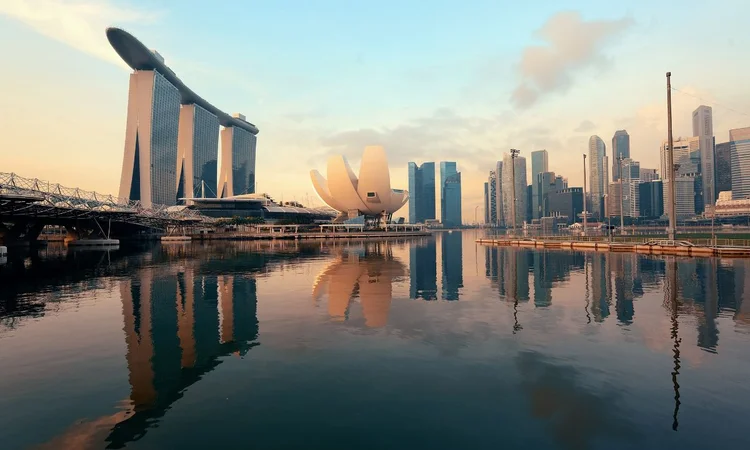
At the heart of the city’s contemporary image lies Marina Bay, a waterfront district that reflects Singapore’s global confidence. The skyline curves gracefully around the bay, offering one of the most recognizable cityscapes in the world.
Marina Bay Sands dominates the horizon, not simply as a luxury hotel but as a symbol of architectural daring and economic ambition. Nearby, Merlion Park offers a quieter contrast. The iconic Merlion gazes toward the water, reminding visitors that Singapore’s modern success is rooted in its maritime past.
As evening arrives, Marina Bay transforms. Reflections shimmer across the water, the skyline glows with restrained brilliance, and the city feels cinematic yet calm. It is not a spectacle designed to overwhelm, but one crafted to be remembered.
Gardens by the Bay: Nature as a National Statement
Singapore’s commitment to sustainability is not hidden behind policy documents. It is visible, walkable, and experiential.
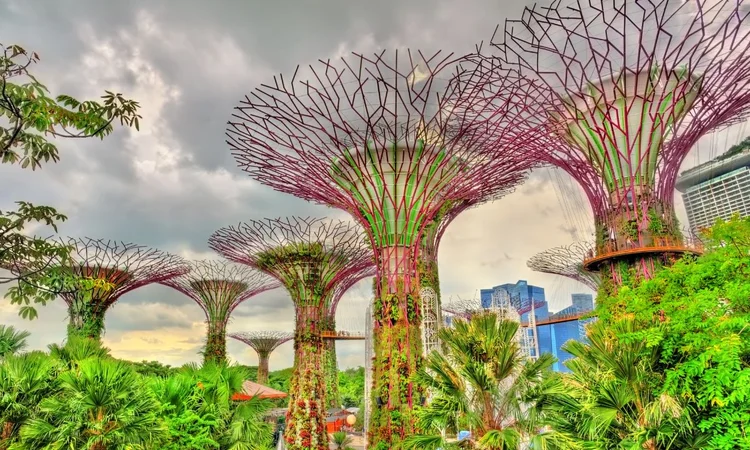
Gardens by the Bay reimagines how nature and urban life can coexist. The Supertrees rise like living monuments, merging vertical gardens with renewable energy systems. They are visually striking, yet symbolic of something deeper. Singapore does not see nature as decoration. It treats it as infrastructure.
Inside the Flower Dome and Cloud Forest, climates from across the world are carefully recreated. Mist fills the air, waterfalls cascade indoors, and visitors momentarily forget they are standing in the middle of a dense global city. This balance between innovation and preservation defines Singapore’s approach to the future.
Neighborhoods That Preserve Identity
Beyond the polished skyline, Singapore’s cultural depth reveals itself through its neighborhoods. Each district tells a story of migration, resilience, and community.
Chinatown
In Chinatown Singapore, heritage shophouses line the streets, temples burn incense quietly, and modern cafés sit comfortably beside traditional medicine halls. This is not a preserved museum district. It is a living neighborhood where history continues to adapt rather than disappear.
Little India
Little India Singapore, pulses with color, fragrance, and sound. Flower garlands, spice stalls, and richly decorated temples create an atmosphere that feels vibrant and unapologetically expressive. It is a reminder that Singapore’s discipline does not suppress cultural intensity. It protects space for it.
Kampong Glam
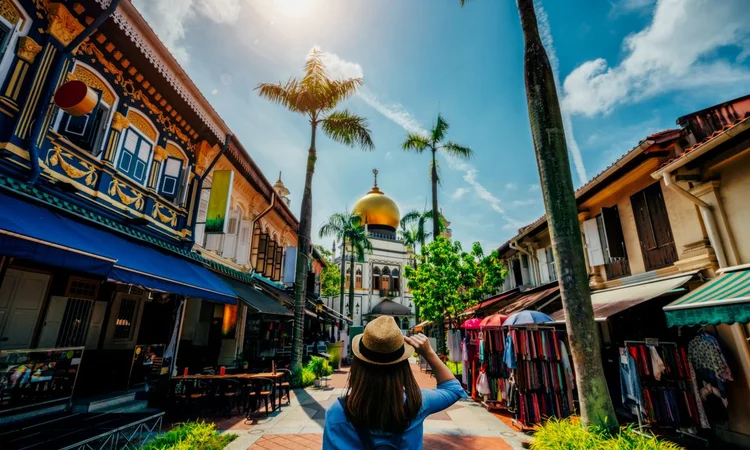
Once the heart of Malay royalty, Kampong Glam blends historical significance with contemporary creativity. The Sultan Mosque anchors the district, while nearby streets showcase independent designers, street art, and cafés that attract both locals and visitors. Tradition here is not frozen. It is reinterpreted.
A Global Capital of Food
[Source - Tripadvisor]
To understand Singapore, one must eat in Singapore.
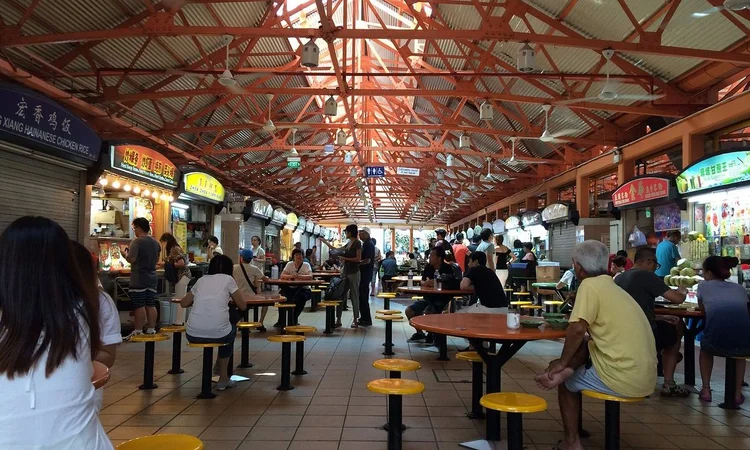
Food is not merely sustenance here. It is social glue, cultural archive, and national pride. Singapore’s hawker culture, recognized by UNESCO, reflects the city’s belief that excellence should be accessible.
At places like Maxwell Food Centre and Lau Pa Sat, Michelin-recognized dishes are served at communal tables. Chili crab, laksa, Hainanese chicken rice, char kway teow, and satay carry stories of migration, adaptation, and shared identity.
What makes Singapore exceptional is not luxury dining alone, but culinary democracy. The best food is not hidden behind exclusivity. It is shared openly, priced fairly, and passed down through generations.
Sentosa Island: Leisure Without Excess
Just minutes from the city center lies Sentosa Island, a space designed for rest, play, and indulgence. Beaches stretch along the coastline, luxury resorts offer privacy, and entertainment attractions provide contrast to the city’s structured rhythm.
Sentosa does not attempt to rival natural island escapes. Instead, it offers controlled leisure, designed with the same precision that defines the rest of Singapore. Whether walking along the shoreline at sunset or enjoying panoramic views from the cable car, Sentosa represents Singapore’s understanding of balance.
Shopping as a Curated Experience
Shopping in Singapore mirrors the city itself. It is efficient, organized, and carefully curated.
Orchard Road presents international luxury brands and flagship stores, while smaller districts and arcades highlight local designers and niche craftsmanship. Even within vast shopping complexes, navigation feels intuitive rather than overwhelming.
Retail in Singapore is not about excess consumption. It reflects values of quality, innovation, and design intelligence.
The Rhythm of Everyday Life
Despite its global status, Singapore feels remarkably livable. Public transport operates with precision. Streets are clean, safe, and walkable. Green spaces appear unexpectedly, offering moments of pause within dense urban areas.
There is discipline, but also courtesy. People respect shared spaces, queue patiently, and move with collective awareness. For visitors, this creates a sense of ease. The city does not compete for attention. It supports movement.
Singapore’s rhythm is steady, deliberate, and purposeful.
Why Singapore Leaves a Lasting Impression
Singapore does not rely on spectacle alone. Its power lies in coherence. Everything works not just technically, but philosophically. The city has confronted difficult questions about sustainability, multiculturalism, governance, and growth, and responded with long-term solutions rather than temporary fixes.
Visitors leave Singapore not only impressed, but reflective. Reflective about what thoughtful leadership can build. Reflective about how progress can remain humane. Reflective about a future that values both efficiency and empathy.
Singapore is not simply a destination to be visited.
It is a benchmark to be remembered.










Leave a Reply
Your email address will not be published.