

[Source - QSR Magazine]
When you think of quintessential American fast food, burgers and fries might come to mind. But there’s another classic that has captured hearts and appetites for decades, the hot dog. While numerous eateries have served up this iconic dish, Wienerschnitzel, under the leadership of the Galardi Group, Inc., has stood out as the world’s largest hot dog chain. More than just a restaurant, Wienerschnitzel has become a cultural symbol of fast, flavorful, and fun dining that continues to thrive in an ever-evolving food industry.
This article explores the fascinating journey of Wienerschnitzel and the Galardi Group, from their humble beginnings to becoming a household name, their innovative approach to fast food, and the legacy they continue to build today.
The Origins: How a Vision Sparked a Revolution
The story begins in 1961, when John Galardi, a young entrepreneur with a knack for business and a bold vision, opened the first Wienerschnitzel in Wilmington, California. With guidance from Glen Bell, the founder of Taco Bell, Galardi decided to pursue a different route in the fast-food space: hot dogs.
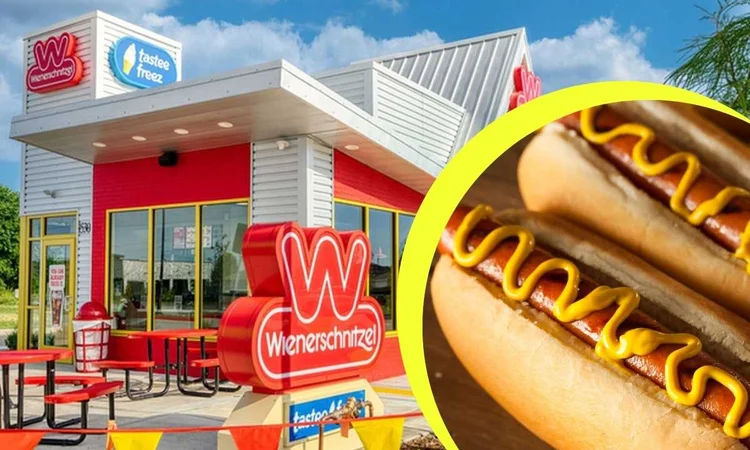
The idea was simple yet groundbreaking: create a restaurant dedicated primarily to serving hot dogs, something that was rarely done at the time. The very first Wienerschnitzel location featured a quirky, eye-catching design: an A-frame building, shaped like a giant hot dog stand. The unique architecture not only drew customers in but also became an iconic part of the brand’s identity.
Why Hot Dogs?
[Source - Franchising.com]
Hot dogs had long been a beloved staple in American households, at baseball games, and on family cookouts. But in the early 1960s, few major fast-food chains capitalized on this love. John Galardi spotted a gap in the market and sought to elevate the hot dog into a fast-food powerhouse.
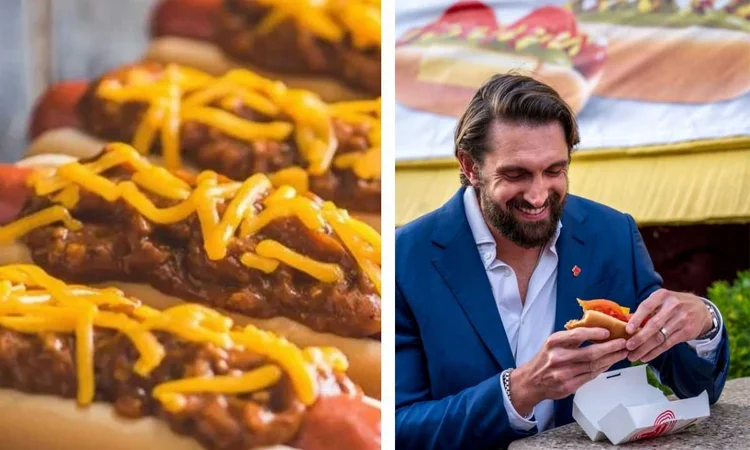
Wienerschnitzel introduced a menu centered around affordable, high-quality hot dogs with creative toppings. Soon, chili cheese dogs, polish sausages, and other inventive creations became crowd favorites. This simple yet focused menu helped the brand stand apart from the burger-dominated industry.
Building the Galardi Group
As Wienerschnitzel grew, so did John Galardi’s vision. He established the Galardi Group, Inc., which would oversee Wienerschnitzel and later expand its portfolio with other food ventures. Today, the Galardi Group operates three key brands:
Wienerschnitzel – The flagship brand, the world’s largest hot dog chain.
Tastee-Freez – A beloved soft-serve and frozen treats brand acquired in 2003.
Hamburger Stand – A concept offering burgers, fries, and other American classics at affordable prices.
By diversifying its offerings, the Galardi Group ensured long-term success while staying true to its roots in fun, approachable fast food.
Wienerschnitzel’s Unique Brand Identity
Part of Wienerschnitzel’s success lies in its playful branding. Often referred to as “The World’s Largest Hot Dog Chain,” Wienerschnitzel embraces bold, colorful advertising that resonates with both children and adults. Their commercials, mascots, and witty slogans have helped them maintain a lighthearted image in the competitive fast-food landscape.
The brand’s red-and-yellow logo and whimsical marketing campaigns reflect its focus on fun and nostalgia, a big part of why it has managed to remain culturally relevant for over six decades.
The Menu: More Than Just Hot Dogs
While hot dogs are at the core of Wienerschnitzel’s identity, the menu has evolved to appeal to diverse tastes. Today, customers can enjoy:
Classic Hot Dogs – Mustard, ketchup, onions, and relish.
Chili Cheese Dogs – Their signature item, topped with rich chili and shredded cheese.
Specialty Sausages – Including Polish sausages and bratwursts.
Burgers and Sandwiches – To broaden its customer base.
Fries and Sides – Chili cheese fries are a cult favorite.
Tastee-Freez Desserts – From sundaes to soft-serve cones, a sweet finish to the meal.
This evolving menu allows the chain to attract both nostalgic diners and new generations of food lovers.
Expansion and Growth
From its humble beginnings in California, Wienerschnitzel expanded rapidly across the U.S. By focusing on franchising, the Galardi Group enabled entrepreneurs nationwide to bring the brand to their communities. Today, Wienerschnitzel has over 300 locations across the United States, with plans for international growth.
The franchise model has played a crucial role in the brand’s resilience, offering aspiring business owners a chance to be part of a legacy while contributing to the chain’s continuous growth.
Community Engagement and Philanthropy

The Galardi Group and Wienerschnitzel have also prioritized giving back to communities. The brand has partnered with numerous organizations, including Hotdoggers for the Cure in support of breast cancer research and other charitable initiatives.
Their efforts reflect the values of John Galardi, who believed that success was not only measured in sales but also in impact on society. This commitment to philanthropy continues to strengthen their relationship with customers and communities nationwide.
Adapting to Changing Times
Like many restaurant chains, Wienerschnitzel has faced challenges over the decades, from economic downturns to changing consumer preferences. Yet, adaptability has been its strength.
Embracing Drive-Thru Culture – The brand quickly capitalized on America’s growing love for fast and convenient drive-thru dining.
Menu Innovations – By adding vegetarian and limited-time items, they appeal to broader demographics.
Digital Transformation – Wienerschnitzel has introduced online ordering, delivery partnerships, and loyalty apps to meet modern demands.
These shifts ensure that the Galardi Group’s brands remain competitive and appealing in a fast-changing industry.
Tastee-Freez: A Sweet Complement
The acquisition of Tastee-Freez in 2003 was a strategic move that gave Wienerschnitzel a beloved companion brand. Tastee-Freez, known for its classic frozen desserts since the 1950s, fit seamlessly into the Galardi Group’s portfolio. Today, Tastee-Freez treats are sold at Wienerschnitzel locations, offering customers the perfect combination of hot, savory meals and cold, sweet desserts.
Hamburger Stand: A Nod to Classic American Fare
The Hamburger Stand, another brand under the Galardi Group, focuses on burgers, fries, and shakes at affordable prices. This concept allows the group to compete more directly with burger chains while maintaining the same approachable, family-friendly spirit.
The Legacy of John Galardi
John Galardi passed away in 2013, but his legacy lives on through the continued growth and success of the Galardi Group. His vision of turning the humble hot dog into a fast-food star not only revolutionized the industry but also cemented Wienerschnitzel’s place in American culture.
His entrepreneurial spirit, innovation, and commitment to community continue to guide the company under the leadership of his successors.
Looking Ahead: The Future of Galardi Group and Wienerschnitzel
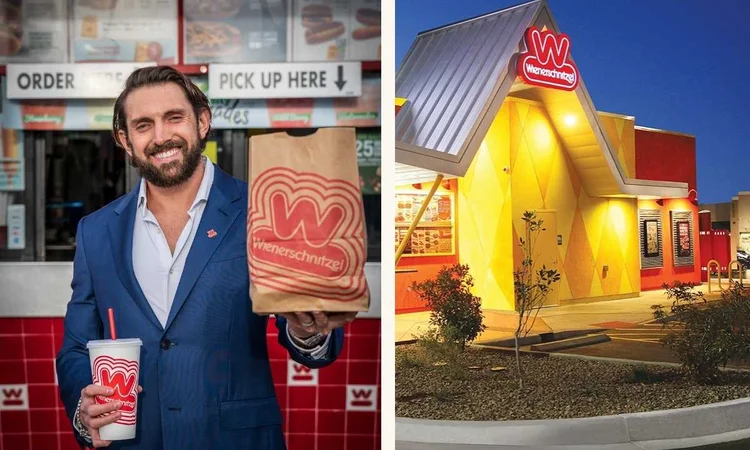
The future looks bright for the Galardi Group as they continue to expand Wienerschnitzel into new territories while maintaining its iconic charm. With increasing interest in global franchising, Wienerschnitzel is exploring opportunities beyond U.S. borders, bringing America’s favorite hot dogs to international markets.
At the same time, the group is embracing sustainability and healthier options, reflecting changing consumer demands without losing sight of its fun, indulgent identity.
Conclusion: A Hot Dog Empire Built on Vision and Flavor
From a small A-frame stand in California to a thriving empire with hundreds of locations, the story of Wienerschnitzel and the Galardi Group, Inc. is one of innovation, resilience, and passion. By daring to focus on hot dogs in a burger-centric world, John Galardi carved out a unique space in the fast-food industry, one that continues to flourish more than 60 years later.
Whether it’s a chili cheese dog, a Tastee-Freez cone, or a simple basket of fries, Wienerschnitzel delivers more than food; it delivers memories, joy, and a sense of nostalgia. As the Galardi Group looks toward the future, one thing is clear: their recipe for success, a mix of bold ideas, playful branding, and community spirit, will keep them at the forefront of fast food for generations to come.








Leave a Reply
Your email address will not be published.