

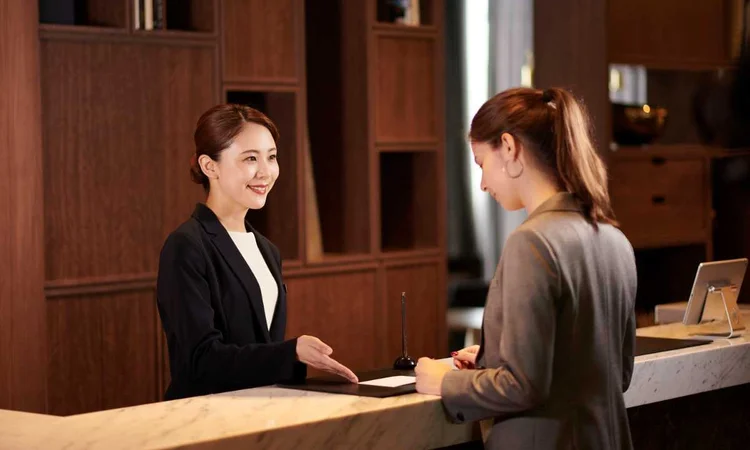
In the hospitality industry, one golden rule defines success: a guest’s experience must feel effortless. Whether it’s a hotel, a resort, a restaurant, or a cruise line, the aim is not just to provide a service but to orchestrate a journey so smooth that guests feel both cared for and delighted. Behind every seamless check-in, perfectly prepared meal, or intuitive room service is a carefully crafted system of operations, technology, and human connection.
This article explores how hospitality businesses create guest experiences that run smoothly, from the integration of technology to the human touch, from anticipating guest needs to ensuring flawless behind-the-scenes operations.
The Evolving Meaning of Hospitality
Hospitality has always been about making people feel welcome. But in today’s fast-paced, digitally driven world, expectations have soared. Guests now demand not only comfort and convenience but also personalization, efficiency, and authenticity.
The difference between a forgettable stay and an unforgettable one lies in how effortlessly services are delivered. Smooth operations create the impression that everything “just happens,” leaving guests free to enjoy the experience without friction.
From luxury hotels to boutique restaurants, hospitality businesses have embraced this philosophy by merging innovation with timeless hospitality traditions.
The Foundations of a Seamless Guest Experience
Smooth guest experiences don’t happen by chance; they are the result of carefully designed systems. Several pillars support this foundation:
1. Technology Integration
Digital tools are no longer optional; they are central to hospitality. Mobile check-ins, digital concierge apps, contactless payments, and AI-driven recommendations all streamline operations while giving guests more control. For instance:
Hotels allow guests to bypass the front desk with digital key cards on smartphones.
Restaurants use QR codes for menus and mobile payment options to reduce waiting times.
Cruise lines deploy wearable tech that tracks preferences, enabling staff to greet guests by name and offer personalized suggestions.
2. Staff Training and Empowerment
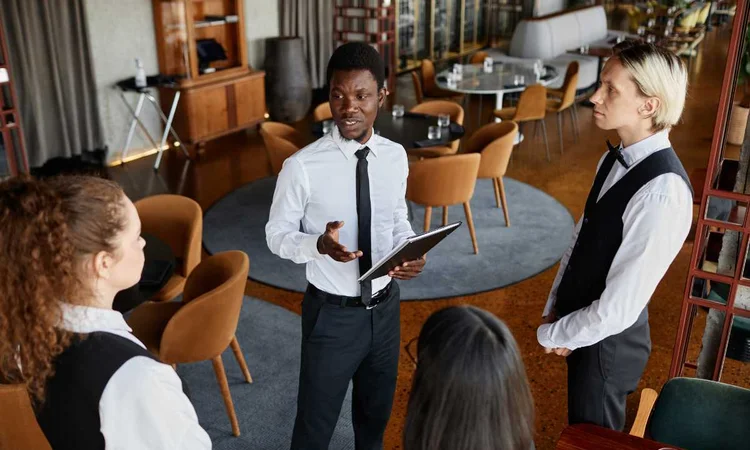
Even in a digital-first world, people remain at the heart of hospitality. Staff members are trained not only in technical skills but also in emotional intelligence, reading guests needs, handling challenges calmly, and providing solutions without delay. Empowered employees who can make decisions on the spot prevent service bottlenecks and enhance guest satisfaction.
3. Consistency in Service Standards
Guests expect reliability. Whether it’s the cleanliness of a room or the timeliness of service, consistency builds trust. Businesses invest heavily in standard operating procedures, checklists, and monitoring systems to ensure that no detail slips through the cracks.
4. Anticipating Needs
Smooth guest experiences often come from anticipation. A chilled bottle of water waiting after a long journey, dietary needs remembered without asking, or room preferences saved from a previous stay make guests feel valued and cared for.
Guest Journey Mapping: From Arrival to Departure
A smooth experience must span the entire guest journey. Let’s break down the typical stages:
1. Pre-Arrival
The guest experience begins long before they set foot on the property. A well-designed website, easy booking system, instant confirmation, and clear pre-arrival communication set the tone. Providing transport information, special offers, or reminders builds excitement and reduces anxiety.
2. Arrival and Check-In
The first physical interaction is critical. Speed and friendliness are paramount. Technology (self-check-in kiosks, mobile apps) combined with personalized welcomes (using the guest’s name, acknowledging special occasions) make arrivals seamless.
3. The Stay
This is where consistency, personalization, and attentiveness shine. Smooth operations ensure rooms are immaculate, amenities are replenished, and services are delivered promptly. Concierge desks, guest messaging platforms, and responsive service staff ensure every request is handled without friction.
4. Dining and Activities
Restaurants and recreational activities are touchpoints that can make or break a guest’s perception. Efficient reservations, accurate dietary accommodations, and attentive service make dining experiences flow naturally. Similarly, excursions, spa visits, or guided tours should be easy to book and execute seamlessly.
5. Departure
Check-out should be as effortless as check-in. Automated billing, digital receipts, and transport arrangements reduce stress. A friendly farewell or follow-up email thanking guests for their stay leaves a lasting positive impression.
6. Post-Stay Engagement
Smooth experiences extend beyond the stay itself. Personalized follow-up emails, loyalty rewards, and guest feedback surveys maintain the connection. Guests who feel remembered are more likely to return.
The Role of Technology in Streamlining Experiences
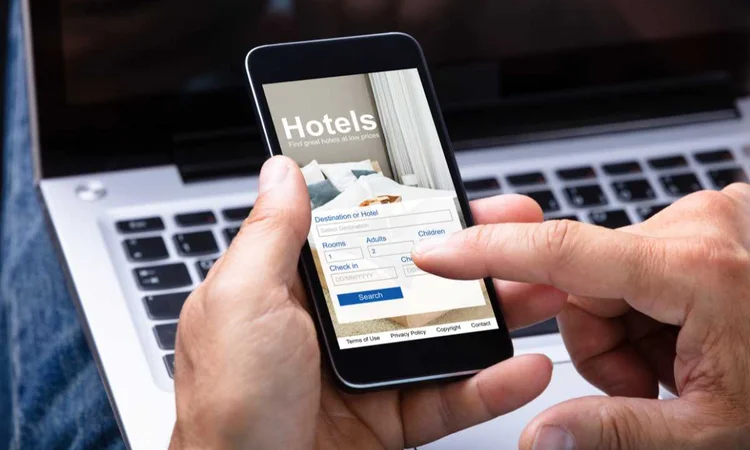
Technology is one of the biggest drivers of smooth guest experiences. Businesses are leveraging:
AI and Machine Learning for personalized recommendations, dynamic pricing, and predicting guest needs.
Chatbots to answer guest queries 24/7 in multiple languages.
IoT Devices like smart thermostats, voice assistants, and connected TVs to give guests more control over their environment.
Cloud-Based PMS (Property Management Systems) to centralize operations and minimize errors.
Technology reduces friction, saves time, and enhances personalization, but the human touch remains vital to keep experiences warm and genuine.
Human Touch: The Irreplaceable Factor
While tech smooths operations, it is empathy, warmth, and authentic interactions that transform a stay from efficient to exceptional. A well-timed smile, a handwritten note, or a genuine conversation creates emotional connections that technology cannot replicate.
The best hospitality businesses train staff to blend technology with humanity, ensuring guests feel cared for, not processed.
Behind-the-Scenes Precision
Guests rarely see the back-end operations that ensure smooth experiences:
Supply Chain Management ensures no shortage of linens, food, or amenities.
Housekeeping Scheduling keeps rooms ready on time.
Maintenance Systems prevent service interruptions through predictive monitoring of elevators, plumbing, or HVAC.
Crisis Management Protocols (like health and safety during COVID-19) ensure guest trust is never broken.
These invisible processes are what make the visible experience seamless.
Case Studies: Excellence in Action
The Ritz-Carlton
Renowned for empowering employees to spend up to $2,000 to solve guest problems on the spot, The Ritz-Carlton exemplifies seamless service by giving staff freedom to act. This prevents delays and creates legendary service stories.
Disney Resorts
Disney maps every guest journey detail, from stroller rentals to mobile food orders. Technology like the MagicBand (wearable wristbands) integrates payments, park entry, and hotel access into one smooth system.
Airbnb Luxe
Airbnb leverages personalization at scale. By combining tech-driven booking with local hospitality managers, Airbnb Luxe ensures luxury experiences feel both smooth and deeply personal.
Challenges in Creating Smooth Guest Experiences
Even with preparation, hospitality businesses face challenges such as:
Balancing personalization with privacy.
Ensuring tech doesn’t overshadow human warmth.
Handling cultural differences among global guests.
Managing rising expectations in a competitive industry.
Yet, businesses that invest in innovation, staff development, and service design continue to thrive despite these hurdles.
The Future of Seamless Hospitality

Looking ahead, hospitality will continue to evolve. Future trends include:
Hyper-personalization driven by AI and data analytics.
Sustainability Integration, where eco-friendly operations become seamless parts of the guest journey.
Immersive Experiences with VR/AR enhancing travel planning and in-stay experiences.
Wellness-Oriented Stays, where health and relaxation are seamlessly built into the guest journey.
The future will combine efficiency, personalization, and purpose, making smooth experiences not just a luxury but an expectation.
Conclusion: Where Smooth Meets Memorable
Smooth guest experiences are not just about speed or convenience; they’re about creating a journey so natural that guests hardly notice the effort behind it. The perfect blend of technology, human connection, and flawless operations transforms service into hospitality and hospitality into loyalty.
For businesses, the reward is not just positive reviews but lasting relationships. For guests, it’s the magic of a stay that feels effortless, memorable, and worth repeating.
In the end, the measure of success in hospitality is simple: Did the guest leave feeling that everything “just worked”? If the answer is yes, then the business has mastered the art of crafting seamless stays.







Leave a Reply
Your email address will not be published.