


In today's fast-paced world, the quest for optimal fitness and health has led to a surge in the use of wearable fitness technology. From smartwatches to fitness trackers, these devices have transformed how individuals approach their workouts, monitor their health, and stay motivated. This article explores the various benefits of wearable fitness technology, highlighting how it can enhance your workout experience and overall wellness.
The Rise of Wearable Fitness Technology
Wearable fitness technology has gained immense popularity in recent years, thanks to advancements in technology and an increasing awareness of health and fitness. These devices offer a range of features that cater to the needs of fitness enthusiasts and casual users alike. Some of the most common types of wearable fitness technology include:
Fitness Trackers: Devices that monitor daily activities, heart rate, sleep patterns, and calories burned.
Smartwatches: Multifunctional devices that combine fitness tracking with smartphone capabilities, including notifications and apps.
Heart Rate Monitors: Specialized devices that provide real-time heart rate data, helping users optimize their workouts.
Smart Clothing: Apparel embedded with sensors that track body metrics, such as heart rate and muscle activity.
The integration of these technologies into daily routines has changed the landscape of fitness, making it easier for individuals to set goals, track progress, and stay motivated.
Benefits of Wearable Fitness Technology
1. Real-Time Monitoring
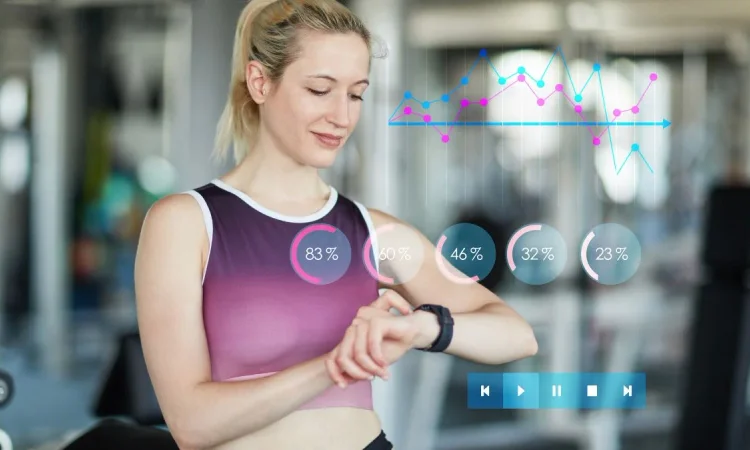
One of the primary advantages of wearable fitness technology is the ability to monitor various health metrics in real time. This includes tracking heart rate, calories burned, distance traveled, and activity levels. By providing immediate feedback, users can make informed decisions during their workouts, ensuring they maintain the desired intensity and achieve their fitness goals.
For instance, a heart rate monitor can help users identify their optimal training zones, allowing them to push their limits safely. This real-time data empowers individuals to tailor their workouts, maximizing effectiveness and minimizing the risk of overtraining or injury.
2. Goal Setting and Tracking
Wearable fitness devices often come equipped with features that allow users to set personalized fitness goals and track their progress over time. Whether it's a daily step count, distance running, or weight loss targets, these devices can help users stay accountable and motivated.
Many fitness trackers and smartwatches provide reminders and notifications to encourage users to meet their daily goals. For example, a device may prompt you to take a walk if you've been sedentary for too long. This level of accountability can significantly improve adherence to fitness routines and promote healthier habits.
3. Enhanced Motivation

Staying motivated can be one of the most challenging aspects of maintaining a fitness routine. Wearable fitness technology can help combat this issue through gamification and social features. Many devices offer rewards, badges, and challenges that encourage users to compete with friends or family members.
By incorporating a social element into fitness, users can share their achievements, celebrate milestones, and participate in challenges together. This sense of community fosters motivation and can make workouts more enjoyable. Whether it's a friendly competition or a shared goal, the social aspect of wearable technology can inspire users to stay committed to their fitness journeys.
4. Data-Driven Insights
Wearable fitness technology collects and analyzes data over time, providing users with valuable insights into their health and fitness trends. By reviewing this data, individuals can identify patterns, such as how different workouts affect their heart rate or how sleep quality impacts performance.
For example, many fitness trackers monitor sleep patterns and provide insights into sleep quality. Understanding these patterns can help users make adjustments to their routines, ensuring they get adequate rest and recovery, which is crucial for optimal performance and overall health.
5. Personalized Fitness Plans
Some advanced wearable fitness devices offer personalized fitness plans based on individual data and goals. By analyzing users' activity levels, heart rate, and other metrics, these devices can recommend tailored workouts and recovery strategies.
For instance, a smartwatch might suggest a specific running pace based on your previous performance or recommend rest days when signs of overtraining are detected. This level of personalization ensures that users receive guidance that aligns with their unique needs, enhancing their overall workout experience.
6. Health and Wellness Tracking
In addition to fitness tracking, many wearable devices monitor health metrics such as stress levels, blood oxygen saturation, and body temperature. This holistic approach to health and wellness allows users to gain a deeper understanding of their bodies and identify potential issues early on.
For example, some fitness trackers offer guided breathing exercises to help manage stress levels. By integrating wellness features into fitness routines, individuals can prioritize their mental health alongside their physical fitness, leading to a more balanced lifestyle.
7. Injury Prevention and Rehabilitation
Wearable fitness technology can play a vital role in injury prevention and rehabilitation. Devices equipped with sensors can monitor movement patterns and detect irregularities that may indicate a risk of injury. For athletes, this information can be crucial in preventing overuse injuries and ensuring proper form during workouts.
Moreover, for individuals recovering from injuries, wearable technology can aid in rehabilitation by tracking progress and providing real-time feedback on exercises. This data-driven approach helps ensure that users are following their recovery plans effectively and safely.
Choosing the Right Wearable Fitness Device
With a wide variety of wearable fitness devices available on the market, choosing the right one can be overwhelming. Here are some factors to consider when selecting a wearable fitness device:
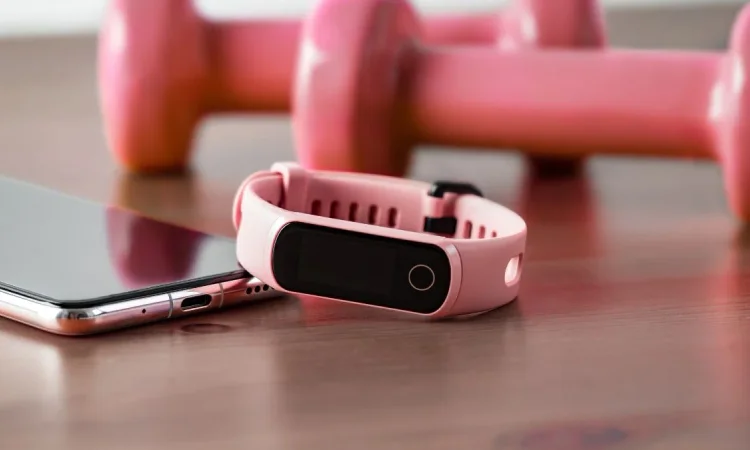
Compatibility: Ensure the device is compatible with your smartphone or other devices to access apps and sync data.
Features: Consider which features are essential for your fitness goals, such as GPS tracking, heart rate monitoring, sleep tracking, and social sharing capabilities.
Comfort: Choose a device that feels comfortable to wear during workouts and throughout the day.
Battery Life: Look for a device with sufficient battery life to support your activity levels without frequent charging.
By evaluating these factors, users can find a wearable fitness device that aligns with their lifestyle and fitness objectives.
Conclusion
Wearable fitness technology has transformed the way individuals approach their workouts and overall health. By providing real-time monitoring, personalized insights, and motivation, these devices empower users to take control of their fitness journeys. As technology continues to evolve, the potential for wearable fitness technology to enhance our workouts and well-being will only grow.
Incorporating wearable fitness technology into your routine can lead to improved performance, increased motivation, and a greater understanding of your health. Whether you are a seasoned athlete or just starting your fitness journey, embracing these innovations can help you achieve your goals and live a healthier, more active life.










Leave a Reply
Your email address will not be published.