


In the world of sports, the pursuit of peak performance often leads athletes to focus primarily on training regimens, nutrition, and mental fortitude. However, recovery is just as crucial to an athlete’s success. With the rise of recovery technology, athletes and coaches have access to innovative tools that enhance recovery processes, prevent injuries, and improve overall performance. This article explores the benefits of integrating recovery tech into sports training programs and how it can revolutionize the approach to athlete care.
Understanding Recovery Technology
Recovery technology encompasses a range of tools and devices designed to assist athletes in the recovery process after training and competition. These technologies include:
Compression therapy devices
Cryotherapy chambers
Infrared therapy tools
Foam rollers with vibration
Sleep tracking apps and devices
Wearable recovery monitors
By leveraging these technologies, athletes can optimize their recovery times and maintain peak performance levels.
The Importance of Recovery in Sports
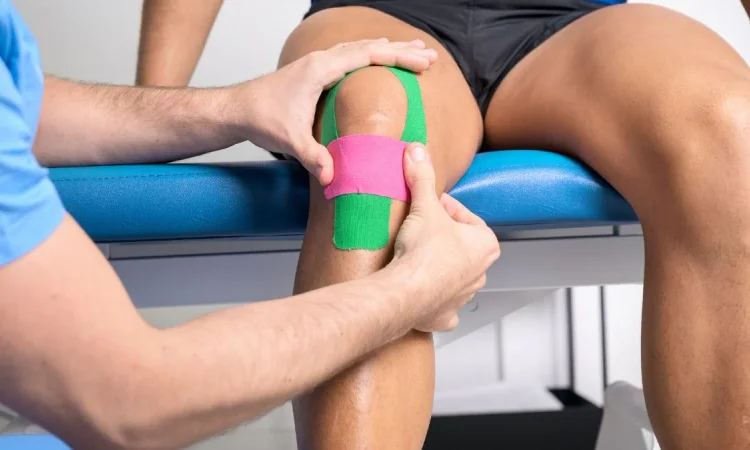
Recovery is the process of restoring the body to its optimal functioning state after physical exertion. It involves repairing muscle tissue, replenishing energy stores, and reducing inflammation. Adequate recovery can lead to several benefits, including:
Injury Prevention: Overtraining without proper recovery increases the risk of injuries.
Enhanced Performance: Recovery allows the body to adapt and improve from training sessions.
Mental Well-being: Proper recovery can alleviate stress and improve focus and motivation.
Integrating recovery technology into training programs provides athletes with tools to enhance these recovery benefits.
Benefits of Integrating Recovery Tech
1. Accelerated Recovery Times
One of the most significant advantages of recovery tech is its ability to accelerate recovery times. Technologies such as compression therapy and cryotherapy reduce muscle soreness and inflammation, enabling athletes to return to training and competition sooner. This quick turnaround is especially beneficial in sports with tight schedules, where athletes may need to perform frequently.
2. Enhanced Performance Monitoring
Many recovery technologies come equipped with data collection capabilities that allow athletes and coaches to monitor performance metrics closely. Wearable devices can track vital signs, muscle recovery status, and overall fatigue levels. This data helps coaches make informed decisions about training intensity and recovery strategies, leading to optimized performance.
3. Personalized Recovery Plans
Recovery tech enables athletes to develop personalized recovery plans based on their individual needs. For example, an athlete who struggles with muscle soreness might benefit from a specific type of compression therapy, while another may require enhanced sleep monitoring to improve recovery quality. Customization ensures that each athlete receives the most effective recovery solutions.
4. Increased Awareness of Recovery Needs
Integrating recovery tech into training programs raises awareness among athletes regarding the importance of recovery. By utilizing tools like sleep trackers or recovery monitors, athletes can better understand their bodies and identify when they need additional rest or recovery interventions. This heightened awareness can lead to more proactive approaches to recovery and overall health.
5. Improved Mental Recovery
Recovery technology is not only beneficial for physical recovery but also for mental well-being. Tools such as meditation apps and biofeedback devices can help athletes manage stress and anxiety, improving their mental state before competitions. A balanced mental state enhances focus, motivation, and performance on the field or court.
6. Better Injury Prevention
Injury prevention is a critical aspect of any sports training program. Recovery technology assists in identifying potential risk factors for injuries through data analysis and monitoring. For instance, wearables that track movement patterns can highlight imbalances or irregularities, allowing coaches to adjust training plans accordingly. By addressing these issues proactively, athletes can reduce their risk of injury significantly.
7. Convenience and Accessibility
Many recovery technologies are designed to be user-friendly and accessible, allowing athletes to incorporate recovery practices seamlessly into their daily routines. Devices such as portable massage guns or compression sleeves can be used anywhere, making it easier for athletes to prioritize recovery without disrupting their schedules.
8. Cost-Effective Solutions
While some recovery technologies may require an upfront investment, many offer cost-effective solutions in the long run. By reducing the risk of injuries and improving recovery times, athletes can save on medical expenses and missed training days. Investing in recovery tech can lead to significant savings over time, making it a valuable addition to any sports training program.
Real-World Examples of Recovery Tech Integration

1. Professional Sports Teams
Many professional sports teams have already begun integrating recovery technologies into their training programs. For example, NBA teams often use cryotherapy and compression therapy to aid player recovery. These teams recognize the importance of keeping players healthy and ready for competition, utilizing technology to stay ahead.
2. Collegiate Athletics
Colleges and universities are increasingly adopting recovery tech to enhance their athletic programs. Institutions are providing student-athletes with access to advanced recovery tools, such as sleep trackers and recovery monitoring systems, to help them perform at their best both on and off the field.
3. Individual Athletes
Many individual athletes are now turning to recovery technology to gain a competitive edge. Professional runners and cyclists, for example, often use wearable recovery monitors that provide insights into their recovery status and readiness for training. This data helps them make informed decisions about their training load and recovery needs.
Challenges of Implementing Recovery Technology
While the benefits of recovery technology are substantial, there are challenges associated with its implementation:

1. Cost Barriers
Not all athletes or training programs have access to advanced recovery technologies due to cost. Some devices can be expensive, making it challenging for smaller programs or individual athletes to invest in these tools.
2. Education and Training
To effectively integrate recovery tech, athletes and coaches must be educated on how to use the tools properly. Without adequate training, the benefits of these technologies may not be fully realized. Ensuring that athletes understand how to interpret data and implement recovery strategies is crucial for success.
3. Data Overload
With the abundance of data provided by recovery technologies, athletes may face challenges in deciphering what information is truly useful. It is essential for coaches and athletes to focus on relevant metrics and avoid becoming overwhelmed by data.
Conclusion
Integrating recovery technology into sports training programs offers a wealth of benefits, from accelerated recovery times to improved performance monitoring and injury prevention. As athletes and coaches continue to recognize the importance of recovery, these technologies will play a crucial role in shaping training practices. By embracing recovery tech, the sports community can enhance athlete performance, health, and well-being, ensuring a brighter future for competitive sports.










Leave a Reply
Your email address will not be published.