
Extreme Sports Safety: Balancing Adventure with Protection

Lisa Martinez
Lisa Martinez

Extreme sports have surged in popularity over the past few decades, drawing adventurers seeking the thrill of adrenaline-pumping activities such as rock climbing, snowboarding, skydiving, and more. While the exhilaration of these sports can be captivating, it is crucial to recognize the inherent risks involved. Balancing adventure with safety is essential for participants to enjoy their favorite extreme sports without compromising their well-being. This article will explore various aspects of extreme sports safety, including best practices, essential gear, and tips for risk management.

Understanding the Risks of Extreme Sports

Extreme sports often involve high levels of physical exertion, complex maneuvers, and unpredictable environments. The risks can vary significantly depending on the activity, but common hazards include:

  1. Injury: Falls, collisions, and equipment failures can lead to serious injuries, such as fractures, concussions, or spinal damage.

  2. Environmental Factors: Weather conditions, altitude, and terrain can all impact safety. For example, snow conditions can change rapidly in skiing, while rock climbing may involve unpredictable rock quality.

  3. Lack of Experience: Many extreme sports require a level of skill and experience that not all participants possess. Inadequate training can lead to dangerous situations.

  4. Equipment Malfunction: Whether it's a faulty parachute or a worn-out snowboard, equipment failure can have dire consequences in extreme sports.
Best Practices for Safety in Extreme Sports

1. Get Proper Training

Before engaging in any extreme sport, seek comprehensive training from qualified instructors. Whether it’s rock climbing, surfing, or paragliding, professional guidance can help you learn essential skills, safety protocols, and how to handle unexpected situations.

  • Take Certified Courses: Enroll in classes that offer certification. Look for accredited programs that cover safety techniques and emergency procedures.

  • Understand the Risks: Training should include an understanding of the specific risks associated with the sport and how to mitigate them.

2. Use Appropriate Safety Gear

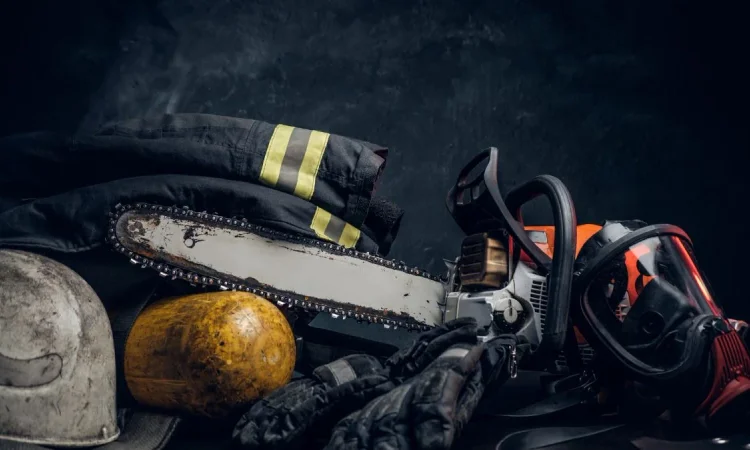
Wearing the right protective gear is essential in extreme sports. High-quality equipment can minimize the risk of injury and enhance performance.

Essential Gear for Popular Extreme Sports:

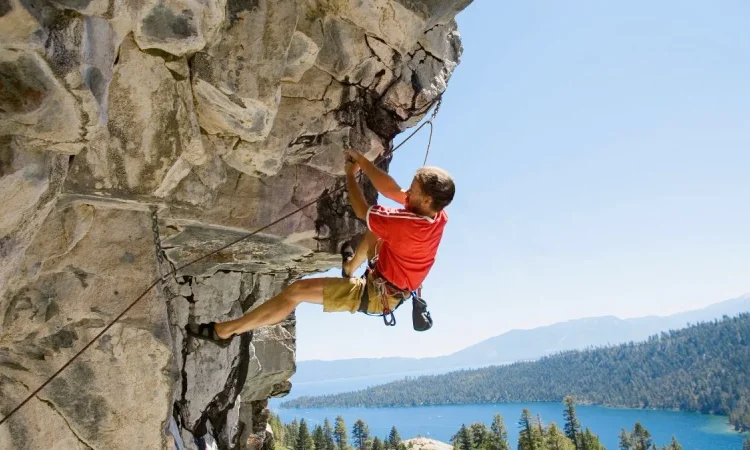
  • Rock Climbing: Harness, climbing shoes, helmet, belay device, and crash pads for bouldering.

  • Snowboarding: Snowboard helmet, wrist guards, knee pads, and padded clothing.

  • Skydiving: Parachute, altimeter, jumpsuit, and helmet.

  • Surfing: Wetsuit, leash, and helmet (for certain locations or conditions).
3. Assess Environmental Conditions

Understanding environmental conditions is critical for safety in extreme sports. Always check the weather forecast and assess the terrain before participating.

  • Weather Awareness: Pay attention to changes in weather, such as storms or changes in wind conditions, especially in activities like surfing or climbing.

  • Terrain Evaluation: Know the specific terrain you’ll be navigating. Research the area and identify any potential hazards, such as loose rocks or hidden obstacles.

4. Buddy System

Engaging in extreme sports with a partner or group adds a layer of safety. The buddy system allows participants to monitor each other’s performance and assist in emergencies.

  • Communicate Clearly: Establish clear communication signals or codes to use during the activity, especially in noisy environments.

  • Watch for Each Other: Always keep an eye on your partner and check on their well-being, especially during challenging maneuvers.

5. Warm Up and Stay Fit

Physical fitness is crucial in extreme sports, as a lack of conditioning can lead to fatigue and increase the risk of injury.

  • Develop a Training Regimen: Incorporate strength training, flexibility exercises, and cardiovascular conditioning into your routine to enhance your performance.

  • Warm Up: Always warm up before participating in extreme sports. Stretching and light exercises can help prepare your body for the physical demands ahead.

Managing Risk in Extreme Sports
1. Know Your Limits

Understanding your physical and mental limits is vital in extreme sports. Pushing beyond your capabilities can lead to dangerous situations.

  • Set Realistic Goals: Start with achievable goals and gradually increase the difficulty of your activities as you gain experience and confidence.

  • Listen to Your Body: Pay attention to how your body feels during the activity. If you feel fatigued or overwhelmed, it’s crucial to take a break or discontinue the activity.

2. Have an Emergency Plan

Being prepared for emergencies can make a significant difference in critical situations. Develop a plan that includes what to do in case of an accident or injury.

  • Know Emergency Contacts: Keep a list of emergency contacts and local emergency services readily available.

  • Create an Action Plan: Discuss with your group what to do in case someone gets injured or lost. Establish specific roles for each person.

3. Stay Informed about Safety Protocols

Stay updated on safety protocols and practices specific to your chosen extreme sport. Safety guidelines can evolve, and being aware of the latest recommendations can enhance your safety.

  • Follow Guidelines: Adhere to any safety guidelines provided by organizations or instructors. This can include regulations for equipment usage or safety measures for specific locations.

  • Participate in Workshops: Attend workshops or seminars focused on safety in extreme sports to learn about the latest techniques and protocols.

Conclusion

Extreme sports offer an unparalleled thrill and a chance to push personal boundaries, but safety should always be the top priority. By understanding the risks, utilizing proper training and gear, and implementing best practices for safety, participants can enjoy the exhilarating world of extreme sports while minimizing potential dangers. Ultimately, balancing adventure with protection ensures that you can continue to engage in the activities you love for years to come.


About the Author

Lisa Martinez
Lisa Martinez

As a writer, Lisa Martinez covers organizational leadership and workplace culture with an eye for management effectiveness. They work through leadership research and organizational behavior studies to make complex topics actionable. They focus on how management practices affect employee performance, satisfaction, and retention. Their reporting highlights the difference between leadership theory and frontline management reality. They frequently examine how companies build high-performing teams and sustain organizational culture during growth. They are known for evaluating management frameworks and leadership development programs. Their perspective is shaped by conversations with executives, HR professionals, and organizational psychologists. They write about communication skills, feedback systems, and decision-making processes. They emphasize people-centric leadership and psychological safety. Their work helps managers at all levels improve their leadership effectiveness.

Comments

Join the discussion and share your thoughts.

No comments yet. Be the first to comment.

Leave a Reply

Your email address will not be published.

Related Posts

How Tailored Fitness Training Helps Professionals Maintain Health Without Disrupting Work Commitments?

How Tailored Fitness Training Helps Professionals Maintain Health Without Disrupting Work Commitments?

In today’s fast-paced corporate world, maintaining a healthy lifestyle while keeping up with demanding work commitments can be challenging. For C-suite executives, startup entrepreneurs, and managers, balancing professional responsibilities with personal well-being often takes a backseat. However, fitness training is no longer a luxury but a necessity for sustained productivity and long-term health. The good news is that tailored fitness training programs are now designed to fit into busy schedu

Posted on: by David Park
Arne Freundt: The Strategic Visionary Behind PUMA’s Sports Brand Leadership

Arne Freundt: The Strategic Visionary Behind PUMA’s Sports Brand Leadership

Sports is a discussion where several cultures, castes, and cross-border traditions come together to compete against each other. In this camaraderie and competitive spirit, both the sports ecosystem gets elevated to another level. Such a brand and its astute leader, Arne Freundt, CEO of Puma, is unmissable. With a mission to make PUMA the most loved sports brand in the world, Freundt has emerged as a symbol of visionary thinking, operational discipline, and authentic leadership. He very well ackn

Posted on: by Amanda
E-Commerce vs. Retail: Where Sportswear Sales Are Thriving

E-Commerce vs. Retail: Where Sportswear Sales Are Thriving

Sportswar sales have blossomed since the last 5 years. As sports events are gaining more & more attention these days, the revenuefigures are also seeing a surge. The global events have gained recognition due to sheer love for the games. The rise of online shopping for sportswear is also seen as an upsurge due to the awareness of physical activity in people & general working class.

Sports and Fitness
How Are Fitness Startups Capitalizing on Hormone Balance Trends?

How Are Fitness Startups Capitalizing on Hormone Balance Trends?

A lot of fitness startups recommend meditation & mindfulness in the context of hormone balance trends. A lot of health experts also recommend keeping a holistic approach towards individual health. Fitness programs lead to overall healing, physical, mental & spiritual too. Embracing AI in the fitness regime by adapting to fitness apps like Noom & other similar apps will help one extensively.

Sports and Fitness
Enhancing Your Workout: The Benefits of Wearable Fitness Technology

Enhancing Your Workout: The Benefits of Wearable Fitness Technology

In today's fast-paced world, the quest for optimal fitness and health has led to a surge in the use of wearable fitness technology. From smartwatches to fitness trackers, these devices have transformed how individuals approach their workouts, monitor their health, and stay motivated. This article explores the various benefits of wearable fitness technology, highlighting how it can enhance your workout experience and overall wellness.

Sports and Fitness
Beyond the Basics: How Kinetic Movement Analysis Is Paving the Way for Advanced Athletic Training

Beyond the Basics: How Kinetic Movement Analysis Is Paving the Way for Advanced Athletic Training

Kinetic movement analysis is revolutionizing the world of athletic performance by enabling coaches, trainers, and athletes to gain deeper insights into their movements, mechanics, and overall efficiency. This advanced technology is shaping the future of athletic training, providing the data-driven tools needed to optimize performance and reduce the risk of injury. By utilizing this cutting-edge analysis, athletes can push the limits of their capabilities in ways never seen before.

Sports and Fitness
How Fitness Influencers Are Transforming Sports Marketing Strategy?

How Fitness Influencers Are Transforming Sports Marketing Strategy?

In the digital-first era, the rules of sports marketing are no longer written by agencies alone. Today, consumer attention gravitates toward more personal, authentic, and relatable voices. Among them, fitness influencers have emerged as a powerful force reshaping how sports brands connect with audiences, especially in the U.S. market.

Sports and Fitness
The Competitive Edge: How E-Sports Athletes Enhance Performance

The Competitive Edge: How E-Sports Athletes Enhance Performance

E-sports, or competitive video gaming, has become a multi-billion dollar industry, with professional athletes now competing at the highest levels across various games. Much like traditional athletes, e-sports athletes require a combination of skill, strategy, and mental focus to excel. However, their path to peak performance is driven by unique techniques and approaches that enhance their gameplay. In this article, we will explore how e-sports athletes enhance their performance and what sets the

Sports and Fitness
Beyond the Treadmill: Emerging Cardio Workouts for the Modern Professional

Beyond the Treadmill: Emerging Cardio Workouts for the Modern Professional

In the relentless rhythm of the modern professional's life, finding time for fitness can feel like an impossible feat. Yet, the demands of high-stakes decision-making, long hours, and constant connectivity underscore the critical importance of maintaining peak physical and mental well-being. The traditional image of a cardio workout, often confined to the monotony of a treadmill or elliptical, no longer aligns with the dynamic, results-driven mindset of today's C-suite executives, startup entrep

Sports and Fitness
Sleep Optimization for Athletes: Biohacking Your Way to Better Rest and Recovery

Sleep Optimization for Athletes: Biohacking Your Way to Better Rest and Recovery

In the high-stakes world of competitive sports, where milliseconds and marginal gains can determine victory, sleep has emerged as a critical performance enhancer. For C-suite executives, startup entrepreneurs, and high-level managers, who often juggle demanding schedules and high-stress environments, optimizing sleep isn’t just about feeling rested; it's about maximizing cognitive function, physical recovery, and overall performance. Just as these professionals relentlessly pursue efficiency in

Sports and Fitness