


In the competitive world of sports, athletes continually seek ways to enhance their performance, build strength, and achieve their personal best. A well-structured training program is essential for maximizing an athlete’s potential and minimizing the risk of injury. This article delves into the key components of crafting effective sports training programs that deliver results, emphasizing the importance of individualization, periodization, and recovery.
Understanding the Athlete’s Needs
Before developing any training program, it is crucial to understand the unique needs of the athlete. Each individual has different goals, abilities, and physical conditions that must be taken into account. Factors to consider include:
Sport Specificity: Different sports require specific physical attributes, such as endurance, strength, speed, or agility. A training program must cater to the demands of the athlete’s particular sport.
Athlete’s Experience Level: An athlete's experience, whether a novice or elite performer, dictates the complexity and intensity of the training program. Beginners may require a foundational program focusing on technique and general fitness, while advanced athletes may need specialized training to refine skills.
Physical Assessments: Conducting a thorough physical assessment helps identify an athlete's strengths, weaknesses, and any pre-existing injuries. This information is critical for tailoring the program to enhance performance and ensure safety.
Personal Goals: Understanding an athlete's short-term and long-term goals is vital for program design. Goals can range from improving speed or strength to preparing for competition or rehabilitation after an injury.
The Components of a Successful Training Program
A successful training program comprises several key components that work synergistically to produce optimal results. These include:

1. Warm-Up and Mobility
A proper warm-up prepares the body for the demands of training. It increases blood flow, enhances muscle elasticity, and reduces the risk of injury. A comprehensive warm-up should include:
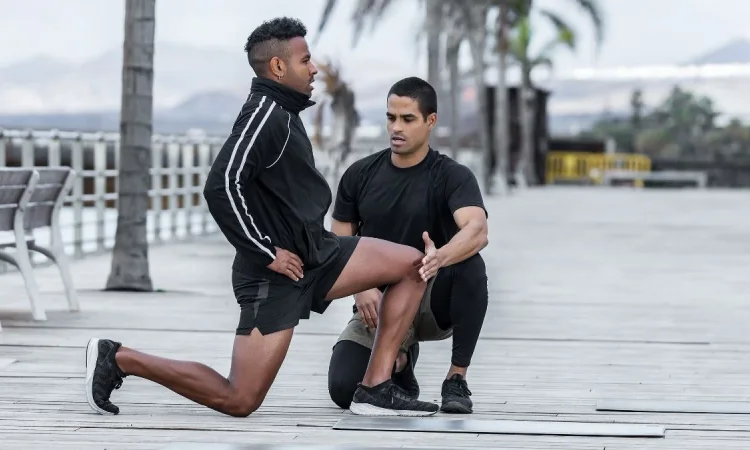
Dynamic Stretching: Engaging in dynamic stretches helps increase range of motion and activate the muscles. Movements like leg swings, arm circles, and lunges can effectively warm up the body.
Mobility Drills: Incorporating mobility exercises, such as hip openers and thoracic rotations, improves joint function and prepares the body for explosive movements.
2. Strength Training
Strength training is a critical aspect of any sports training program. It helps build the muscular foundation necessary for performance enhancement and injury prevention. Key elements include:
Compound Movements: Focus on compound exercises like squats, deadlifts, and bench presses, which engage multiple muscle groups and mimic the movements used in sports.
Periodization: Implementing periodization allows for planned variations in training intensity and volume. For instance, athletes might alternate between strength-focused and power-focused phases to optimize results.
3. Endurance Training
Endurance training is essential for athletes participating in sports that require sustained effort. This training improves cardiovascular fitness and stamina. Strategies include:
Long-Distance Runs: For endurance athletes, incorporating long, steady-state runs builds a strong aerobic base.
Interval Training: High-Intensity Interval Training (HIIT) can enhance both aerobic and anaerobic capacity, making it effective for various sports.
4. Skill Development
No training program is complete without incorporating skill-specific training. This component is essential for developing technique and sport-specific skills. Strategies include:
Drills: Regularly practicing sport-specific drills, such as shooting in basketball or dribbling in soccer, helps refine skills and enhance performance.
Game Simulation: Incorporating game-like scenarios into training allows athletes to practice skills under pressure and in real-time situations.
5. Recovery and Rest
Recovery is an often-overlooked aspect of training but is critical for long-term success. Adequate rest allows the body to repair and rebuild, preventing burnout and injuries. Key recovery strategies include:
Active Recovery: Engaging in low-intensity activities, such as walking or yoga, can promote blood flow and enhance recovery.
Rest Days: Scheduling regular rest days is essential for muscle recovery and mental rejuvenation.
Individualization: The Key to Success
Individualization is the cornerstone of effective training program design. Each athlete is unique, and a one-size-fits-all approach rarely delivers optimal results. To individualize training programs effectively, consider the following:
Tailored Goals: Work with the athlete to set realistic and achievable goals. Goals should be specific, measurable, attainable, relevant, and time-bound (SMART).
Personalized Assessment: Regularly assess progress and adjust the program based on the athlete’s performance and feedback. This may include reassessing physical capabilities or modifying training intensity.
Communication: Maintain open communication with the athlete to understand their feelings and feedback regarding the training program. This helps in making necessary adjustments and keeping the athlete motivated.
Periodization: Structuring the Training Cycle
Periodization is a systematic approach to training that involves dividing the training program into distinct phases. This strategy allows for planned variations in intensity, volume, and focus, maximizing performance and reducing the risk of overtraining. Key phases of periodization include:
1. Macrocycle
The macrocycle is the overall training plan, typically spanning an entire year. It encompasses all training phases, including preparation, competition, and transition.
2. Mesocycle
Each macrocycle is divided into several mesocycles, typically lasting a few weeks to several months. Each mesocycle focuses on specific training objectives, such as strength building or endurance enhancement.
3. Microcycle
Microcycles are the smallest training units, usually lasting one week. Each microcycle outlines daily training sessions, including specific workouts, intensity levels, and recovery strategies.
Monitoring Progress
To ensure the effectiveness of a training program, consistent monitoring of an athlete’s progress is essential. Effective monitoring can involve:
Performance Metrics: Track key performance indicators, such as strength gains, endurance improvements, or skill development, to evaluate the effectiveness of the training program.
Feedback: Regularly solicit feedback from the athlete regarding how they feel during training and any areas they believe need improvement.
Adjustments: Be prepared to make adjustments to the training program based on performance data and athlete feedback. Flexibility is crucial for maintaining optimal training effectiveness.
Nutrition and Hydration

While training is a critical component of athletic performance, nutrition and hydration play equally important roles. A well-rounded nutrition plan can enhance performance, recovery, and overall well-being. Consider these aspects:
Balanced Diet: Ensure athletes consume a balanced diet rich in carbohydrates, proteins, healthy fats, vitamins, and minerals to support their training and recovery needs.
Hydration: Encourage athletes to stay adequately hydrated before, during, and after training. Dehydration can significantly impact performance and recovery.
Pre- and Post-Workout Nutrition: Educate athletes on the importance of pre- and post-workout meals. Consuming carbohydrates and proteins post-workout helps replenish energy stores and supports muscle recovery.
Conclusion
Crafting effective sports training programs that deliver results requires a comprehensive understanding of the athlete's needs, individualized approaches, and structured training cycles. By emphasizing the key components of warm-up, strength training, endurance training, skill development, and recovery, coaches and trainers can create programs that maximize performance while minimizing injury risk.
Incorporating principles of individualization and periodization, along with regular monitoring and adjustments, ensures that athletes remain engaged and motivated throughout their training journey. With a holistic approach that includes proper nutrition and hydration, athletes can unlock their full potential, turning aspirations into achievements. The right training program not only enhances performance but also instills confidence and fosters a lifelong passion for the sport.










Leave a Reply
Your email address will not be published.