

Game-Changer or Gimmick? The Science Behind Modern Recovery Technology

Robert Taylor
Robert Taylor

The recovery sector has undergone a crucial change since technology has taken over. Technologies like cryotherapy, PEMF therapy, compression therapy, & red light therapy are swiftly gaining popularity. The introduction of recovery technology has been a game changer. The development and continued evolution of these technologies have made it easier for the elite athlete group to perform at their best capacity. 


For decision-makers in the U.S. fitness and sports sectors—C-suite executives, startup founders, and managers alike—the answer holds financial and strategic significance. Understanding the science and strategy behind recovery technology is no longer optional. It’s a competitive advantage.

The Emergence of Recovery Technology

The U.S. fitness recovery market was valued at approximately $11.4 billion in 2023 and is expected to reach $16.2 billion by 2027. That growth is largely driven by technological advances in tools like percussive therapy devices, cryotherapy chambers, pneumatic compression boots, infrared saunas, and sleep optimization tech.

Recovery technology is built on the principle of accelerating the body’s natural recovery process by stimulating blood flow, reducing inflammation, and supporting muscle regeneration. It targets both professional athletes and a growing population of everyday fitness enthusiasts increasingly focused on holistic health and wellness.

Not Just for the Pros Anymore

Previously confined to elite training facilities and professional locker rooms, recovery technology has now trickled down to mainstream consumers. Companies like Hyperice, Therabody, and NormaTec have popularized devices that were once considered niche or exclusive. Over 60% of U.S.-based gym franchises now offer at least one form of recovery tech integration, according to a recent IHRSA report.

This democratization is fueling innovation and accessibility, but also flooding the market with options, not all of which are backed by rigorous research.

The Science: What Works and What Doesn’t
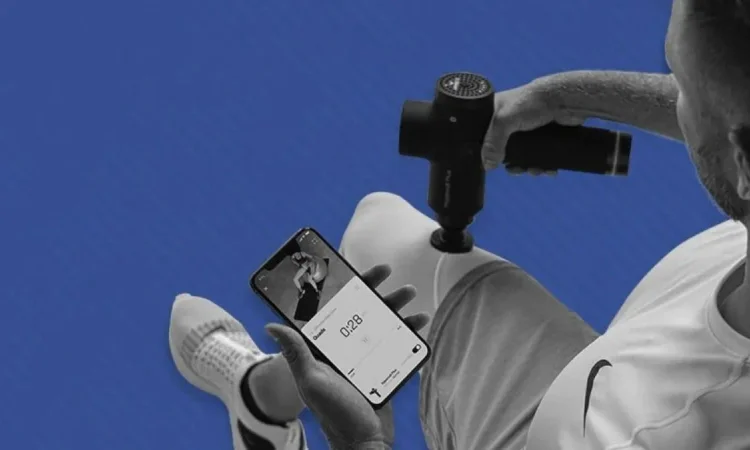
While some recovery technology devices boast impressive scientific support, others fall short. Take percussive therapy as an example. Multiple peer-reviewed studies have shown that devices like massage guns can reduce delayed onset muscle soreness (DOMS) by up to 30%. Similarly, pneumatic compression boots have been clinically shown to boost lymphatic drainage and circulation, aiding in quicker recovery post-workout.

However, the efficacy of some tools—especially those involving vibrational or electromagnetic stimulation—remains debatable. Experts caution that while these products might show marginal improvements in perceived muscle relief, the placebo effect may be a significant factor.

Marketing vs. Medical Evidence

One of the main criticisms of the recovery technology industry is its marketing-first approach. Many brands invest heavily in influencer partnerships and glossy packaging rather than investing in robust clinical trials. This often creates a gap between consumer expectations and real-world performance.

That said, the tide is slowly turning. As U.S. consumers become more educated and skeptical, brands that rely solely on aesthetics or celebrity endorsements are being scrutinized. Meanwhile, startups and companies that lead with scientific transparency—publishing study data, involving medical advisors, and prioritizing R&D—are gaining more credibility.

Competitive Landscape: Who’s Winning the Race?

Therabody and Hyperice continue to dominate the U.S. market, leveraging both innovation and branding. Hyperice, for instance, became the Official Recovery Technology Partner of the NBA, NFL, and PGA Tour—strategic partnerships that cement brand trust and visibility.

However, new players like Oura (known for its smart ring) and Whoop (focused on recovery and performance tracking) are entering the field with biometric-driven solutions. These companies use advanced analytics to tailor recovery plans and are quickly capturing attention in both the consumer and enterprise fitness markets.

Strategic Use for Startups and Enterprises

For U.S.-based gyms, sports brands, and wellness startups, incorporating recovery technology can be a game-changer—not just for customer experience but also for revenue diversification. According to data from ClubIntel, gyms that offer recovery services alongside traditional workouts report 22% higher member retention.

On the enterprise side, workplace wellness programs are starting to integrate recovery tools to enhance employee well-being and productivity. Devices like infrared mats or guided recovery apps are now making their way into corporate wellness packages.

Key Collaborations Driving Innovation
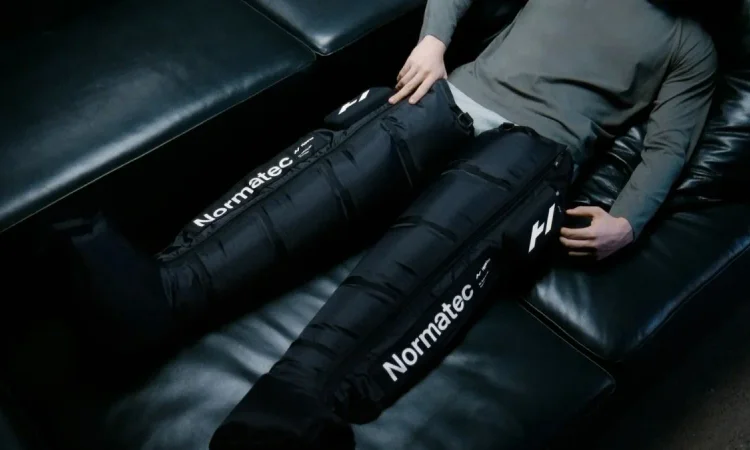
Innovation in recovery technology is increasingly happening through partnerships. Therabody’s partnership with Stanford University’s Human Performance Lab is a prime example. This collaboration has led to data-driven iterations of their products, ensuring that every upgrade is grounded in science.

Similarly, NormaTec, now a Hyperice brand, has collaborated with the U.S. Olympic Committee and various collegiate programs to ensure their products meet rigorous performance standards.

These collaborations not only validate the technology but also enhance market trust—a crucial factor for C-suite decision-makers evaluating B2B adoption.

Is It Worth the Investment?

Ultimately, the decision to integrate recovery technology—whether into a fitness facility, a product portfolio, or a wellness strategy—depends on aligning science with business goals. Leaders must ask: does this technology improve outcomes? Will it enhance customer or employee satisfaction? Is it backed by credible data?

For many, the answer is yes—but with caveats. A careful vetting of both the product and its scientific claims is necessary. This is especially true in a saturated market where innovation can sometimes be indistinguishable from imitation.

Looking Ahead: The Future of Recovery Tech
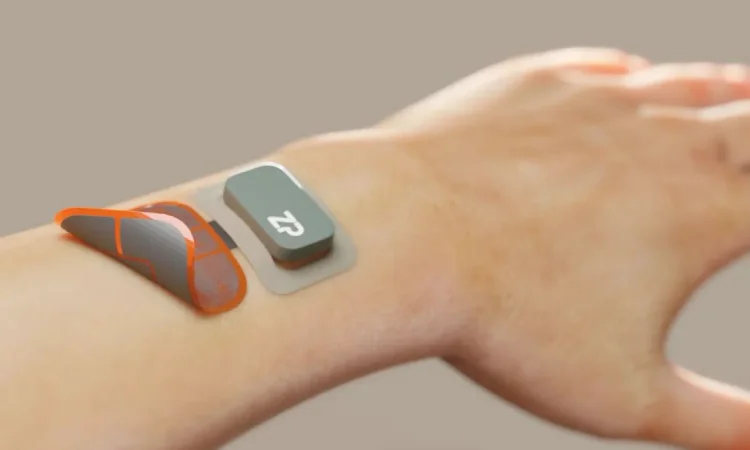
As AI, biosensors, and machine learning continue to evolve, the next wave of recovery technology is likely to be even more personalized. Expect to see platforms that integrate wearable data, genetic insights, and training history to deliver recovery protocols that are custom-fit for each individual.

For U.S. businesses operating in fitness and wellness, this evolution presents both a challenge and an opportunity. Investing in scalable, evidence-based recovery solutions can drive brand differentiation, customer loyalty, and performance outcomes.

Conclusion

So, is recovery technology a game-changer or a gimmick? The answer is—it depends. For products grounded in science, supported by data, and thoughtfully integrated into broader health strategies, it is undoubtedly a game-changer. But for those driven purely by trends and marketing fluff, the risk of gimmickry remains high. C-suite leaders and entrepreneurs must adopt a discerning eye. Recovery technology isn’t just a buzzword—it’s a fast-growing sector with the potential to reshape how Americans think about fitness, health, and well-being.

One thing is clear: in the race for peak performance, recovery is no longer an afterthought—it’s the strategy.


About the Author

Robert Taylor
Robert Taylor

Robert Taylor specializes in corporate strategy and competitive analysis. Their approach combines market research with business model evaluation. They examine how companies position themselves in evolving markets and respond to competitive threats. They frequently analyze strategic decisions around product development, market entry, and partnership formation. Their coverage includes merger and acquisition activity, corporate restructuring, and portfolio management. They are known for dissecting competitive dynamics and industry consolidation trends. Their perspective is informed by conversations with strategy consultants, corporate development teams, and industry analysts. They write about differentiation strategies, moat building, and sustainable competitive advantage. They emphasize long-term strategic thinking over short-term tactical moves. Their work illuminates how successful companies maintain market leadership through strategic clarity and disciplined execution.

Comments

Join the discussion and share your thoughts.

No comments yet. Be the first to comment.

Leave a Reply

Your email address will not be published.

Related Posts

How Tailored Fitness Training Helps Professionals Maintain Health Without Disrupting Work Commitments?

How Tailored Fitness Training Helps Professionals Maintain Health Without Disrupting Work Commitments?

In today’s fast-paced corporate world, maintaining a healthy lifestyle while keeping up with demanding work commitments can be challenging. For C-suite executives, startup entrepreneurs, and managers, balancing professional responsibilities with personal well-being often takes a backseat. However, fitness training is no longer a luxury but a necessity for sustained productivity and long-term health. The good news is that tailored fitness training programs are now designed to fit into busy schedu

Posted on: by David Park
Arne Freundt: The Strategic Visionary Behind PUMA’s Sports Brand Leadership

Arne Freundt: The Strategic Visionary Behind PUMA’s Sports Brand Leadership

Sports is a discussion where several cultures, castes, and cross-border traditions come together to compete against each other. In this camaraderie and competitive spirit, both the sports ecosystem gets elevated to another level. Such a brand and its astute leader, Arne Freundt, CEO of Puma, is unmissable. With a mission to make PUMA the most loved sports brand in the world, Freundt has emerged as a symbol of visionary thinking, operational discipline, and authentic leadership. He very well ackn

Posted on: by Amanda
E-Commerce vs. Retail: Where Sportswear Sales Are Thriving

E-Commerce vs. Retail: Where Sportswear Sales Are Thriving

Sportswar sales have blossomed since the last 5 years. As sports events are gaining more & more attention these days, the revenuefigures are also seeing a surge. The global events have gained recognition due to sheer love for the games. The rise of online shopping for sportswear is also seen as an upsurge due to the awareness of physical activity in people & general working class.

Sports and Fitness
How Are Fitness Startups Capitalizing on Hormone Balance Trends?

How Are Fitness Startups Capitalizing on Hormone Balance Trends?

A lot of fitness startups recommend meditation & mindfulness in the context of hormone balance trends. A lot of health experts also recommend keeping a holistic approach towards individual health. Fitness programs lead to overall healing, physical, mental & spiritual too. Embracing AI in the fitness regime by adapting to fitness apps like Noom & other similar apps will help one extensively.

Sports and Fitness
Enhancing Your Workout: The Benefits of Wearable Fitness Technology

Enhancing Your Workout: The Benefits of Wearable Fitness Technology

In today's fast-paced world, the quest for optimal fitness and health has led to a surge in the use of wearable fitness technology. From smartwatches to fitness trackers, these devices have transformed how individuals approach their workouts, monitor their health, and stay motivated. This article explores the various benefits of wearable fitness technology, highlighting how it can enhance your workout experience and overall wellness.

Sports and Fitness
Beyond the Basics: How Kinetic Movement Analysis Is Paving the Way for Advanced Athletic Training

Beyond the Basics: How Kinetic Movement Analysis Is Paving the Way for Advanced Athletic Training

Kinetic movement analysis is revolutionizing the world of athletic performance by enabling coaches, trainers, and athletes to gain deeper insights into their movements, mechanics, and overall efficiency. This advanced technology is shaping the future of athletic training, providing the data-driven tools needed to optimize performance and reduce the risk of injury. By utilizing this cutting-edge analysis, athletes can push the limits of their capabilities in ways never seen before.

Sports and Fitness
How Fitness Influencers Are Transforming Sports Marketing Strategy?

How Fitness Influencers Are Transforming Sports Marketing Strategy?

In the digital-first era, the rules of sports marketing are no longer written by agencies alone. Today, consumer attention gravitates toward more personal, authentic, and relatable voices. Among them, fitness influencers have emerged as a powerful force reshaping how sports brands connect with audiences, especially in the U.S. market.

Sports and Fitness
The Competitive Edge: How E-Sports Athletes Enhance Performance

The Competitive Edge: How E-Sports Athletes Enhance Performance

E-sports, or competitive video gaming, has become a multi-billion dollar industry, with professional athletes now competing at the highest levels across various games. Much like traditional athletes, e-sports athletes require a combination of skill, strategy, and mental focus to excel. However, their path to peak performance is driven by unique techniques and approaches that enhance their gameplay. In this article, we will explore how e-sports athletes enhance their performance and what sets the

Sports and Fitness
Extreme Sports Safety: Balancing Adventure with Protection

Extreme Sports Safety: Balancing Adventure with Protection

Extreme sports have surged in popularity over the past few decades, drawing adventurers seeking the thrill of adrenaline-pumping activities such as rock climbing, snowboarding, skydiving, and more. While the exhilaration of these sports can be captivating, it is crucial to recognize the inherent risks involved. Balancing adventure with safety is essential for participants to enjoy their favorite extreme sports without compromising their well-being. This article will explore various aspects of ex

Sports and Fitness
Beyond the Treadmill: Emerging Cardio Workouts for the Modern Professional

Beyond the Treadmill: Emerging Cardio Workouts for the Modern Professional

In the relentless rhythm of the modern professional's life, finding time for fitness can feel like an impossible feat. Yet, the demands of high-stakes decision-making, long hours, and constant connectivity underscore the critical importance of maintaining peak physical and mental well-being. The traditional image of a cardio workout, often confined to the monotony of a treadmill or elliptical, no longer aligns with the dynamic, results-driven mindset of today's C-suite executives, startup entrep

Sports and Fitness