


In an era where personalized experiences drive consumer behavior, the education sector is undergoing a parallel transformation. The traditional one-size-fits-all model is rapidly being replaced by more adaptive, learner-centric approaches. One such innovation gaining traction is gamified learning—a dynamic fusion of game design elements and instructional content that not only motivates learners but also personalizes the learning journey like never before.
For education-focused entrepreneurs, C-suite decision-makers, and forward-thinking managers, gamified learning presents a unique intersection of engagement, performance tracking, and data-driven customization. In this article, we explore how this approach is redefining personalized education and why it’s more than just a passing trend.
The Shift Toward Personalization in Education
The demand for personalized education has skyrocketed in recent years. Learners, especially Gen Z and Gen Alpha, expect content to meet them where they are—in both skill and interest. A report by McKinsey & Company found that students receiving personalized instruction improved their academic performance by 20% more than those in traditional settings. The implication for education providers and institutions is clear: personalization is no longer optional—it's essential.
Why Gamified Learning Works?

Play learning introduces mechanics such as points, leaderboards, levels, and real-time feedback into instructional content. This approach taps into behavioral psychology by triggering reward centers in the brain, which enhances motivation and retention. More importantly, it allows educators and platforms to tailor experiences to individual learning styles, paces, and performance data.
Unlike traditional modules, gamified systems adapt in real time. If a learner excels at a topic, the system can offer more advanced challenges. If they struggle, it provides scaffolding and support. This ability to differentiate content dynamically makes gamified learning a powerful vehicle for personalization.
From Engagement to Empowerment
One of the biggest barriers in education—especially in online or hybrid formats—is disengagement. A Gallup study revealed that only 34% of students feel engaged in traditional classrooms, a figure that drops even further in digital environments. Edugaming changes that narrative.
By embedding progression systems and instant feedback, learners feel a sense of agency. They are no longer passive recipients of content, but active participants in their own development. This shift not only keeps them engaged but encourages long-term mastery and confidence.
EdTech’s Competitive Advantage
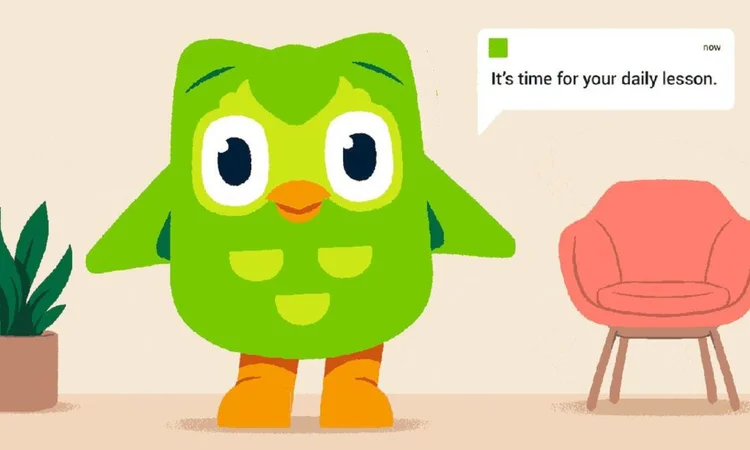
EdTech startups and consulting firms are at the forefront of this shift. Companies like Classcraft, Duolingo, and Kahoot! have built their success on gamified models that evolve based on user behavior. Duolingo, for instance, combines streaks, XP points, and level-ups to keep learners coming back. Its approach has helped it achieve a 40%+ user retention rate after the first week, far above industry norms.
These platforms aren’t just offering games—they’re providing data-rich environments where every click, pause, or completion feeds into an adaptive algorithm. This intelligence allows for highly tailored learning paths, supporting teachers, institutions, and corporate L&D teams in delivering meaningful outcomes.
Applications Beyond K-12
While gamified learning has made waves in K-12 education, its impact is spreading rapidly into higher education, corporate training, and even executive development. Business schools are increasingly integrating simulation-based learning into their curricula, allowing future leaders to make decisions in real-world scenarios with immediate feedback.
Consulting firms working with higher education clients are leveraging gamification to increase student retention and optimize digital platforms. In the corporate world, gamified learning is being used to onboard employees, upskill teams, and track leadership development—all in a way that feels more intuitive and less like compliance.
Challenges and Considerations
Despite its benefits, gamified learning is not without its challenges. Poorly designed experiences can feel gimmicky or distracting. Furthermore, over-reliance on extrinsic motivators—like badges and points—may dilute intrinsic interest in learning if not balanced properly.
Leaders considering this approach should prioritize learning outcomes over flashy interfaces. Effective gamification should be grounded in cognitive science, align with curriculum standards, and offer clear value to learners. Consulting experts in instructional design can help tailor gamified solutions to specific goals and audiences.
The Role of AI and Analytics
Artificial intelligence is enhancing play learning by powering real-time adjustments and deeper personalization. Adaptive systems can now detect patterns in learner behavior and recommend content accordingly. This isn’t just about engagement—it’s about creating evidence-based learning paths that evolve with the user.
From a management perspective, the data generated by gamified platforms offers rich insights. Leaders can assess which content areas need improvement, identify high-potential learners, and allocate resources more effectively.
What This Means for Education Leaders and Entrepreneurs

C-suite executives, school administrators, and startup founders have a rare opportunity. Edugaming is not just a teaching tool—it’s a strategic differentiator. Institutions that adopt gamification effectively stand to gain in student satisfaction, learning outcomes, and operational efficiency.
For entrepreneurs, it represents a fast-growing market with high scalability. For educational leaders, it offers a solution to some of the sector’s most persistent problems: low engagement, high dropout rates, and one-size-fits-all instruction.
Conclusion
As the education sector continues to evolve, gamified learning stands out as a catalyst for meaningful, personalized change. It’s not about turning classrooms into video games—it’s about bringing human-centric design to learning environments through the lens of motivation, mastery, and adaptability.
For those navigating the business of education—whether as investors, consultants, or innovators—this is more than an opportunity. It’s a call to action. The future of personalized education isn’t waiting. It’s already being played—one level at a time.









Leave a Reply
Your email address will not be published.