

Why Hospitals Need Better Protocols for Treating Poisonous Mushroom Exposure?

Thomas
Thomas

Mushrooms have been consumed frequently in the world for centuries. With harmless or edible mushrooms, there also exist poisonous mushrooms that are not of the stature to be consumed. They contain poisonous substances that harm our bodies, leading to serious issues. Mushrooms that have amatoxins are prone to being poisonous for human consumption. 

This article explores why U.S. hospitals must adopt more robust and standardized protocols for dealing with toxic fungi exposure, with a focus on timely diagnosis, coordinated toxicology responses, and the growing need for preventive public health measures. With the audience in mind,C-suite executives, startup founders, andhealthcare decision-makers, the goal is to evaluate both the clinical implications and the systemic gaps in handling these preventable emergencies.

The Scale of the Problem: Poisonous Mushrooms and U.S. Hospitals
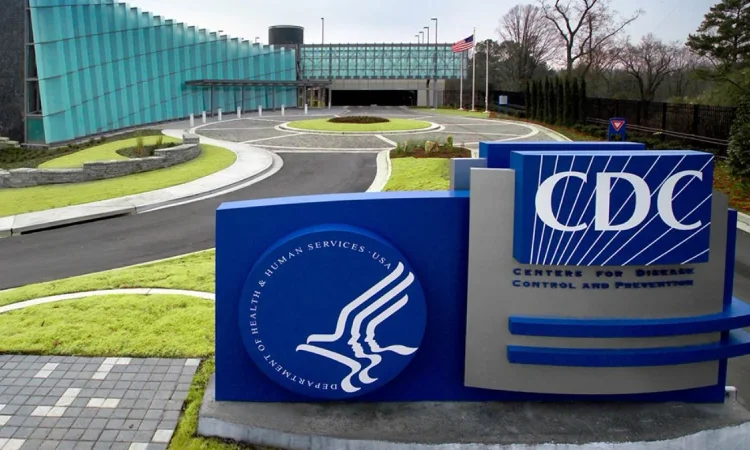
The Centers for Disease Control and Prevention (CDC) estimates that approximately 1,300 people are poisoned by mushrooms in the United States each year. Although not every case results in hospitalization, a significant percentage requires medical intervention, often in the form of intensive care or liver transplant evaluations.

One of the most dangerous culprits is the Amanita phalloides, or "death cap" mushroom, which contains amatoxins that attack liver cells with stealth and speed. According to a report published in the journal Toxicon, nearly 50% of all fatal mushroom poisonings worldwide are linked to this single species.

Given this alarming data, hospitals need clear, updated, and well-communicated response protocols to minimize time to treatment and maximize patient outcomes.

Why Current Hospital Protocols Are Failing?

Most U.S. hospitals lack a centralized standard for responding to poisonous mushroom exposure. Diagnosis is often delayed due to nonspecific symptoms such as vomiting, abdominal pain, and diarrhea that mimic food poisoning or viral gastroenteritis. By the time a toxicology consultation is initiated or a mycologist is brought in, critical hours may have already passed.

Furthermore, many hospitals lack ready access to reference databases or apps for identifying mushroom species from patient samples or photographs. Poison control centers often serve as the first line of expertise, but not all healthcare providers engage them immediately. In smaller hospitals, the lack of in-house toxicology staff or training can lead to mismanagement or underreporting of these serious cases.

The Business Case for Better Protocols

Beyond the clinical urgency, there’s a strong business case for improving hospital readiness around poisonous mushroom exposure. A single ICU stay resulting from severe poisoning can cost upwards of $30,000, not including follow-up procedures, diagnostics, and potential transplant costs.

For hospital administrators, these cases represent a significant financial burden that could be mitigated through early intervention and standardized care pathways. Establishing toxic mushroom exposure protocols not only improves patient outcomes but can reduce overall costs, malpractice risk, and system strain.

Healthcare systems are increasingly embracing evidence-based protocols and AI-driven triage systems. Toxic fungi response must be part of that shift. Developing clear internal procedures, including symptom triage algorithms, specialist referral workflows, and treatment checklists, can substantially reduce errors and delays.

How to Build Better Protocols: A Strategic Approach

  1. Training and Education: Hospitals should provide regular CME-accredited training for ER physicians, nurses, and toxicologists focused on identifying and treating poisonous mushroom exposure. Simulation-based training can help improve diagnostic acumen and decision-making speed.

  2. Partnerships with Poison Control and Mycologists: Forming direct, pre-authorized partnerships with regional poison control centers and on-call mycologists can improve diagnostic accuracy. These partnerships should be codified into hospital policy.

  3. Integration with Telehealth and AI Tools: Hospitals should adopt AI image recognition apps capable of analyzing mushroom photos. Tele-toxicology services should be integrated into ER triage workflows.

  4. Standardized Protocols: Just as sepsis or stroke protocols have been standardized across most U.S. hospitals, mushroom poisoning protocols should be developed in partnership with federal health agencies, including the CDC and the American Association of Poison Control Centers.

  5. Community Awareness Programs: Hospitals can work with local health departments to run public awareness campaigns during mushroom foraging seasons. Educating the public about the risks of poisonous mushrooms reduces the burden on emergency departments.

Nutrition Advice and Recovery

In many cases, recovery from hazardous mushroom exposure requires long-term dietary adjustments. Patients suffering from liver impairment are particularly vulnerable and must adopt a high-protein, low-sodium diet to support liver function.

Here are a few nutrition tips hospitals and dietitians should provide to recovering patients:

  • Hydration First: Electrolyte-rich fluids help in rebalancing the body after acute GI distress.

  • Lean Proteins: Tofu, chicken, and lentils support tissue repair and liver health.

  • Avoid Alcohol: Even minimal alcohol consumption can exacerbate liver damage post-poisoning.

  • Supplement Wisely: B-complex vitamins and milk thistle supplements are sometimes recommended, though clinical guidance should be tailored.

These guidelines not only improve recovery but can also reinforce the value of a comprehensive treatment plan that extends beyond the ER.

Looking Ahead: Poisonous Mushrooms as a Public Health Benchmark

The increasing incidence of hazardous fungi exposure highlights a broader issue: the need for modern healthcare systems to become more agile and preventive. Like the early days of opioid overdoses or synthetic cannabinoid cases, mushroom poisonings are a niche issue gaining dangerous momentum.

As foraging becomes trendier and climate change alters the habitats where mushrooms thrive, more people will unknowingly encounter poisonous species. This puts pressure on hospitals to evolve faster than the risks. Stronger protocols not only future-proof hospital systems but also position them as leaders in a proactive, responsive healthcare ecosystem.

Conclusion: 

Hospital leaders, medical directors, and policymakers have an opportunity and a responsibility to rethink how their institutions respond to lesser-known but high-risk exposures like poisonous mushrooms. By improving training, investing in AI and telehealth tools, and forging cross-disciplinary partnerships, U.S. hospitals can create a gold standard for emergency preparedness. The time to act is now. Because in the case of lethal fungi exposure, delayed response isn’t just a clinical failure, it’s a systemic one.

About the Author

Thomas
Thomas

Thomas Liu is a journalist who focuses on cybersecurity and digital infrastructure. Their approach combines threat analysis with security architecture evaluation. They examine how organizations protect systems, data, and users against evolving cyber threats. They frequently investigate security breaches to extract lessons about prevention and response. Their coverage includes authentication systems, network security, and incident response protocols. They are known for translating technical security concepts into risk management frameworks. Their perspective is informed by conversations with security engineers, CISOs, and threat researchers. They write about zero trust architecture, vulnerability management, and security operations. They emphasize proactive security posture over reactive patching. Their work helps organizations build comprehensive security programs that balance protection with operational efficiency.

Comments

Join the discussion and share your thoughts.

No comments yet. Be the first to comment.

Leave a Reply

Your email address will not be published.

Related Posts

Remote Work Burnout: Signs, Prevention, and Recovery Strategies

Remote Work Burnout: Signs, Prevention, and Recovery Strategies

The transition to remote work has reshaped our professional lives, offering flexibility and autonomy. However, it has also introduced new challenges, notably the risk of burnout. Understanding the signs of remote work burnout, implementing preventive measures, and adopting effective recovery strategies are crucial for maintaining well-being and productivity.

Posted on: by Thomas
Pioneering Health: Pharma Leadership in Emerging Economies

Pioneering Health: Pharma Leadership in Emerging Economies

The pharmaceutical industry has long been a cornerstone of global health, driving innovation, research, and patient care. While traditionally dominated by companies in developed economies, emerging markets are now at the forefront of transformative change in the sector. Countries across Asia, Africa, and Latin America are witnessing a surge of local and multinational pharmaceutical leaders who are redefining healthcare delivery, accessibility, and innovation.

Posted on: by Robert Taylor
From ‘Let Them Theory’ to Lifestyle: Why Letting Go Is a Movement

From ‘Let Them Theory’ to Lifestyle: Why Letting Go Is a Movement

In a culture obsessed with control, perfection, and constant optimization, the simple act of letting go can feel revolutionary. From micromanaging work projects to overthinking relationships, modern life often pressures us to control outcomes, track every detail, and predict every challenge. Yet, there is a growing movement that challenges this paradigm, a lifestyle rooted in letting go.

Healthcare
Joaquin Duato: Leading Johnson & Johnson Through the Digital Health Revolution

Joaquin Duato: Leading Johnson & Johnson Through the Digital Health Revolution

In today’s era of unprecedented innovation, one name stands out in the global healthcare industry: Joaquin Duato. As Chairman and CEO of Johnson & Johnson, the world’s largest and most diversified healthcare products company, Duato embodies visionary leadership, technological foresight, and a relentless commitment to patient well-being. His journey from a healthcare-rooted family in Valencia, Spain, to the boardroom of a healthcare giant reflects an inspiring narrative of purpose-driven leadersh

Healthcare
How Orthopedic Technology Is Helping Employers Reduce Workers’ Compensation Costs?

How Orthopedic Technology Is Helping Employers Reduce Workers’ Compensation Costs?

The past few years have seen dramatic changes in workers’ compensation in several aspects. There is an increased focus on workplace safety & injury prevention. This is being integrated with companies that are actively participating in creating a safe work environment. Orthopedic technology imparts a helping hand to the employees in a factory who’ve been injured during the tenure of their service. Also, the employees are helped who are years in service & are close to retirement. All of this is in

Healthcare
Wellness Trends to Skip in 2025: From Extreme Biohacking to Toxic Positivity

Wellness Trends to Skip in 2025: From Extreme Biohacking to Toxic Positivity

Wellness trends come and go, often promising quick fixes, life-changing results, or the ultimate path to happiness and health. While some trends genuinely enhance well-being, others are overhyped, misguided, or even harmful. As we enter 2025, it’s crucial to distinguish science-backed practices from fads that waste time, money, or emotional energy.

Healthcare
The Global Wellness Revolution: Shaping a Healthier Future for All

The Global Wellness Revolution: Shaping a Healthier Future for All

In today’s fast-paced world, the pursuit of wellness has become more than a trend—it is a way of life. Across continents and cultures, people are prioritizing their physical, mental, and emotional well-being like never before. The global wellness industry, valued at over $5 trillion and growing steadily, reflects this profound shift toward holistic health. From personalized wellness programs and digital health innovations to eco-friendly beauty and mindfulness practices, the industry is reshapin

Healthcare
Cold Water Therapy and Cardiovascular Health: Safe or Risky?

Cold Water Therapy and Cardiovascular Health: Safe or Risky?

Opting for cold water therapy has become a popular trend these days over the internet. You can see a lot of celebs, influencers & prominent personalities trying this trend. The trend is known as the polar bear plunge in anticipation of raising funds for a social cause. When exposed to cold water it enhances blood pressure and fat levels for those who’re in good health generally. Our hearts work harder when we’re moving through water than when we’re on land.

Healthcare
Mental Health Matters: Coping with Loneliness as a Remote Worker

Mental Health Matters: Coping with Loneliness as a Remote Worker

Remote work has transformed the modern workplace, offering unparalleled flexibility, freedom, and the opportunity to work from virtually anywhere. For many professionals, it’s a dream come true. But alongside these benefits comes a significant challenge: loneliness and social isolation . Working remotely often means fewer face-to-face interactions, limited casual conversations, and the absence of a traditional office community. Over time, this can impact mental health, productivity, and overall

Healthcare
Minimalism Isn’t About Less, It’s About What Matters Most

Minimalism Isn’t About Less, It’s About What Matters Most

In an age defined by excess, accumulation, and constant noise, the idea of minimalism has struck a deep chord with those yearning for clarity, calm, and purpose. Often misunderstood as a lifestyle of deprivation or stark aesthetics, minimalism is not about living with as little as possible. Instead, it’s a powerful mindset, one that shifts the focus from more to meaning , from quantity to quality, and from clutter to clarity.

Healthcare