


How Preventive Healthcare Is Driving Demand for Everyday Skincare Products in the U.S.?

Jessica Torres
Jessica Torres

Skincare products are a daily need for everyone as we face multiple weather changes from time to time. To prevent skin damage, we are habitual to using various products to protect our skin. A primary driver of the growth of this sector is the focus that is shifting towards early detection of skin problems. Diagnostic testing is also becoming a much-embraced aspect of advancements in screening technologies, enabling earlier detection of diseases such as cancer, diabetes, cardiovascular diseases, and hypertension, ultimately improving outcomes.   

Skincare as a Preventive Health Strategy

Skincare is no longer viewed solely through the lens of beauty and cosmetics. The modern U.S. consumer has begun to understand skin as a vital organ that serves as the body’s first line of defense against environmental toxins, pathogens, and UV radiation. In this context, skincare products are playing a crucial role in preventive healthcare. From sunscreens that protect against melanoma to moisturizers that support the skin’s barrier function, the scope of skincare has expanded well beyond aesthetics.

According to a 2024 report by Statista, the U.S. skincare market is projected to reach over $24 billion by 2027, growing at a compound annual growth rate (CAGR) of 5.1%. This growth is fueled not just by cosmetic concerns but by health-conscious consumers investing in products that support skin resilience, reduce inflammation, and prevent premature aging.

The Rise of Functional Skincare Products
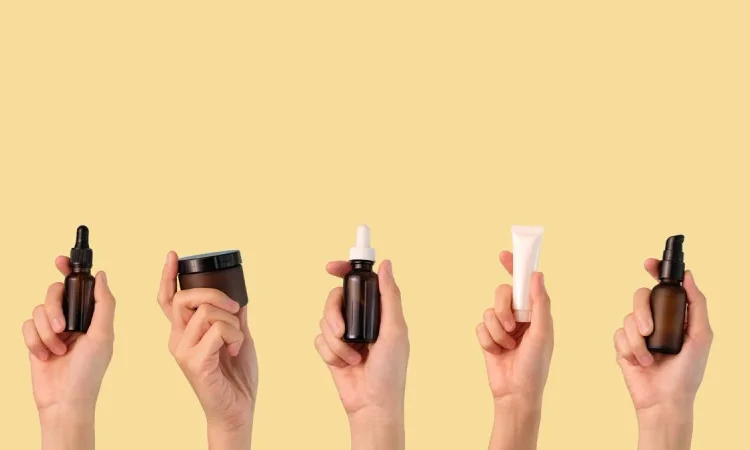
A notable trend in this space is the rise of "functional" beauty products—items that offer more than superficial benefits. These include products infused with antioxidants, peptides, probiotics, and SPF protection. Dermatologists and healthcare providers now frequently recommend such solutions as a frontline defense against a variety of skin-related conditions. For example, daily use of sunscreen is known to reduce the risk of skin cancer by up to 50%.

Preventive skincare has also gained traction through teledermatology and virtual health platforms. As more Americans consult dermatologists online, personalized skincare regimens tailored to individual skin types and risk factors are being prescribed. This has significantly increased the demand for everyday skincare products designed to treat conditions before they escalate.

Healthcare Providers as Influencers

Interestingly, physicians and dermatologists are now acting as influencers in the skincare market. As trust in celebrity endorsements declines, U.S. consumers are turning to healthcare professionals for advice on effective skincare routines. The American Academy of Dermatology (AAD) now publishes regular guidance on product ingredients, use frequency, and skin-type compatibility. This medically-backed insight is encouraging consumers to view skincare products as health investments rather than beauty indulgences.

This trend has led many startups and legacy brands to reposition themselves as partners in health. Brands are investing in clinical research, obtaining dermatologist endorsements, and highlighting ingredient transparency to align with the values of preventive healthcare. Some of the fastest-growing skincare brands in the U.S. today explicitly market their products for conditions like eczema, acne, rosacea, and hyperpigmentation—issues that once required prescription intervention but are now being managed through over-the-counter solutions.

Cross-Sector Partnerships and Innovation

Healthcare providers are not alone in advancing this paradigm shift. Cross-sector partnerships between health insurance companies, wellness apps, and skincare brands are on the rise. For example, certain U.S. insurance plans now offer discounts on dermatologist-recommended skincare products as part of their preventive care programs. This not only incentivizes healthier habits but also deepens the integration of skincare within broader healthcare frameworks.

Technology is also playing a critical role. AI-powered skin diagnostics, wearable UV sensors, and personalized skincare algorithms are helping users make informed choices. These tools allow consumers to monitor skin health in real-time and select skincare products that address specific issues before they manifest into serious dermatological conditions.

The Influence of Lifestyle and Environmental Stressors

Urban pollution, dietary habits, stress, and climate change are exacerbating skin-related issues in the U.S. These environmental and lifestyle factors have reinforced the need for protective and restorative skincare solutions. Consumers are now looking for products that counteract the impact of blue light exposure, particulate matter, and oxidative stress. The rise of "clean beauty" and "dermocosmetics" is a testament to this growing demand.

The appeal of multifunctional skincare formulas—those combining anti-aging, sun protection, and hydration—has surged among busy professionals and entrepreneurs. These all-in-one solutions are particularly attractive to the C-suite demographic, who value efficiency and efficacy. Brands that successfully position their offerings within this preventive care narrative are seeing robust growth and heightened brand loyalty.

Skincare Products as a Business Opportunity

For U.S.-based startups and established companies alike, the convergence of preventive healthcare and skincare represents a high-growth opportunity. Consumers are willing to pay a premium for products with proven efficacy, medical endorsements, and sustainable sourcing. According to NielsenIQ, 70% of U.S. consumers say they are more likely to buy skincare products that offer long-term health benefits over those that are merely cosmetic.

Moreover, the rise of men’s skincare—a historically underdeveloped market segment—signals untapped potential. With increasing awareness of skin health among male consumers, brands are expanding product lines that cater specifically to men’s preventive needs, further diversifying the market landscape.

As the lines between healthcare and beauty continue to blur, one thing is clear: beauty care is no longer just about looking good—it’s about staying healthy. For U.S. consumers, especially those in leadership roles balancing stress, travel, and performance, integrating effective skincare into daily routines is becoming a norm, not a luxury.

Conclusion

For C-suite executives, startup founders, and healthcare managers, the message is straightforward: investing in preventive skincare solutions, whether for employee wellness programs or personal use, is an informed strategy that aligns with broader health trends and productivity goals. The marketplace for skincare products is rapidly maturing, and those who understand its evolving dynamics stand to benefit the most.

In conclusion, as preventive healthcare gains ground in the U.S., the demand for everyday skin solutions will only intensify. Forward-thinking brands, healthcare leaders, and investors should view this shift not as a passing trend but as a fundamental transformation in how Americans approach health and wellness from the outside in.


About the Author

Jessica Torres
Jessica Torres

As a writer, Jessica Torres covers fitness technology and athletic performance with an eye for data-driven training. They work through equipment reviews, training protocol analysis, and sports science research to make complex topics approachable. They focus on how wearables, apps, and biometric tracking affect training outcomes. Their reporting highlights the intersection of exercise physiology and consumer technology. They frequently compare training methodologies across different sports and fitness goals. They are known for practical guidance on injury prevention and recovery strategies. Their perspective is shaped by conversations with coaches, physical therapists, and exercise scientists. They write about strength training, cardiovascular conditioning, and mobility work. They emphasize progressive overload principles and individualized programming. Their work helps athletes and fitness enthusiasts train smarter and more safely.

Comments

Join the discussion and share your thoughts.

No comments yet. Be the first to comment.

Leave a Reply

Your email address will not be published.

Related Posts

Remote Work Burnout: Signs, Prevention, and Recovery Strategies

Remote Work Burnout: Signs, Prevention, and Recovery Strategies

The transition to remote work has reshaped our professional lives, offering flexibility and autonomy. However, it has also introduced new challenges, notably the risk of burnout. Understanding the signs of remote work burnout, implementing preventive measures, and adopting effective recovery strategies are crucial for maintaining well-being and productivity.

Posted on: by Thomas
Pioneering Health: Pharma Leadership in Emerging Economies

Pioneering Health: Pharma Leadership in Emerging Economies

The pharmaceutical industry has long been a cornerstone of global health, driving innovation, research, and patient care. While traditionally dominated by companies in developed economies, emerging markets are now at the forefront of transformative change in the sector. Countries across Asia, Africa, and Latin America are witnessing a surge of local and multinational pharmaceutical leaders who are redefining healthcare delivery, accessibility, and innovation.

Posted on: by Robert Taylor
From ‘Let Them Theory’ to Lifestyle: Why Letting Go Is a Movement

From ‘Let Them Theory’ to Lifestyle: Why Letting Go Is a Movement

In a culture obsessed with control, perfection, and constant optimization, the simple act of letting go can feel revolutionary. From micromanaging work projects to overthinking relationships, modern life often pressures us to control outcomes, track every detail, and predict every challenge. Yet, there is a growing movement that challenges this paradigm, a lifestyle rooted in letting go.

Healthcare
Joaquin Duato: Leading Johnson & Johnson Through the Digital Health Revolution

Joaquin Duato: Leading Johnson & Johnson Through the Digital Health Revolution

In today’s era of unprecedented innovation, one name stands out in the global healthcare industry: Joaquin Duato. As Chairman and CEO of Johnson & Johnson, the world’s largest and most diversified healthcare products company, Duato embodies visionary leadership, technological foresight, and a relentless commitment to patient well-being. His journey from a healthcare-rooted family in Valencia, Spain, to the boardroom of a healthcare giant reflects an inspiring narrative of purpose-driven leadersh

Healthcare
How Orthopedic Technology Is Helping Employers Reduce Workers’ Compensation Costs?

How Orthopedic Technology Is Helping Employers Reduce Workers’ Compensation Costs?

The past few years have seen dramatic changes in workers’ compensation in several aspects. There is an increased focus on workplace safety & injury prevention. This is being integrated with companies that are actively participating in creating a safe work environment. Orthopedic technology imparts a helping hand to the employees in a factory who’ve been injured during the tenure of their service. Also, the employees are helped who are years in service & are close to retirement. All of this is in

Healthcare
Wellness Trends to Skip in 2025: From Extreme Biohacking to Toxic Positivity

Wellness Trends to Skip in 2025: From Extreme Biohacking to Toxic Positivity

Wellness trends come and go, often promising quick fixes, life-changing results, or the ultimate path to happiness and health. While some trends genuinely enhance well-being, others are overhyped, misguided, or even harmful. As we enter 2025, it’s crucial to distinguish science-backed practices from fads that waste time, money, or emotional energy.

Healthcare
The Global Wellness Revolution: Shaping a Healthier Future for All

The Global Wellness Revolution: Shaping a Healthier Future for All

In today’s fast-paced world, the pursuit of wellness has become more than a trend—it is a way of life. Across continents and cultures, people are prioritizing their physical, mental, and emotional well-being like never before. The global wellness industry, valued at over $5 trillion and growing steadily, reflects this profound shift toward holistic health. From personalized wellness programs and digital health innovations to eco-friendly beauty and mindfulness practices, the industry is reshapin

Healthcare
Cold Water Therapy and Cardiovascular Health: Safe or Risky?

Cold Water Therapy and Cardiovascular Health: Safe or Risky?

Opting for cold water therapy has become a popular trend these days over the internet. You can see a lot of celebs, influencers & prominent personalities trying this trend. The trend is known as the polar bear plunge in anticipation of raising funds for a social cause. When exposed to cold water it enhances blood pressure and fat levels for those who’re in good health generally. Our hearts work harder when we’re moving through water than when we’re on land.

Healthcare
Mental Health Matters: Coping with Loneliness as a Remote Worker

Mental Health Matters: Coping with Loneliness as a Remote Worker

Remote work has transformed the modern workplace, offering unparalleled flexibility, freedom, and the opportunity to work from virtually anywhere. For many professionals, it’s a dream come true. But alongside these benefits comes a significant challenge: loneliness and social isolation . Working remotely often means fewer face-to-face interactions, limited casual conversations, and the absence of a traditional office community. Over time, this can impact mental health, productivity, and overall

Healthcare
Minimalism Isn’t About Less, It’s About What Matters Most

Minimalism Isn’t About Less, It’s About What Matters Most

In an age defined by excess, accumulation, and constant noise, the idea of minimalism has struck a deep chord with those yearning for clarity, calm, and purpose. Often misunderstood as a lifestyle of deprivation or stark aesthetics, minimalism is not about living with as little as possible. Instead, it’s a powerful mindset, one that shifts the focus from more to meaning , from quantity to quality, and from clutter to clarity.

Healthcare