

How Stretching Is Redefining Recovery in the High-Performance Fitness Market?

Stretching before & after a workout, during work hours, is an extremely vital component but often ignored. It is ignored due to a lack of knowledge. In the corporate world, the desk job becomes quite demanding, leaving an individual quite tired & stressed. A quick stretch in the whole day at least 4 to 5 times in a uniform manner keeps the body less stiff & more active. Your muscles need to be pulled for recovery as they’re idle for quite some time. Be it before or after a workout session, or in between your tea breaks at office. A good stretch will always benefit you as it decrease stress & releases anxiety as it is a sort of meditational practice.  


For C-suite executives, startup founders, and decision-makers in the fitness sector, understanding how stretching has redefined recovery strategies is essential to capitalize on its growing popularity and health benefits. It’s not just about flexibility anymore; it’s about performance, injury prevention, and user experience.

The Evolution of Stretching in Fitness Recovery

Historically, warming up was treated as a passive and optional component of physical fitness. Athletes and gym-goers often performed static or dynamic stretches as a perfunctory activity. But as sports science matured and the demand for holistic performance strategies increased, research began to demonstrate the broader physiological and neurological benefits of extending.

Recent studies published in the Journal of Sports Medicine reveal that consistent flexibility training significantly improves range of motion, reduces injury risk, and enhances muscle coordination. Moreover, flexing has been shown to reduce muscle soreness post-exercise and improve blood flow, key factors for high-performing athletes.

From Trend to Industry Movement
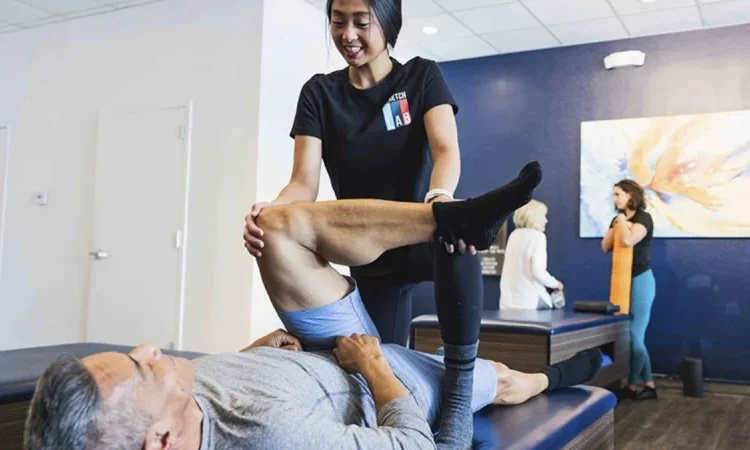
One of the most striking shifts in the U.S. fitness market is how brands are turning this recovery strategy into a consumer service. Companies like StretchLab, LYMBR, and others have built entire business models around assisted elongating sessions, offering one-on-one guided routines designed to optimize mobility. These businesses have seen significant growth, appealing to a demographic that includes competitive athletes, office professionals, and aging fitness enthusiasts.

According to IBISWorld, the U.S. personal training industry, which now includes recovery services, is valued at over $13 billion as of 2024. A notable portion of this growth can be attributed to boutique studios and recovery lounges offering stretching services as part of monthly memberships. For executives looking to invest or expand into this niche, the numbers are promising.

The Neuroscience of Movement

What separates stretching from other recovery tools is its deep interaction with the central nervous system. Neuromuscular flexing techniques, such as Proprioceptive Neuromuscular Facilitation (PNF), are designed to improve both flexibility and muscular control. These methods are being used not only by physical therapists but also by personal trainers and wellness centers.

This integration of neuroscience with fitness is shaping a new narrative where elongating is viewed as brain-body communication rather than just a mechanical process. Startups in the health tech space are capitalizing on this idea, creating apps and wearables that track range of motion, muscle response, and recovery cycles.

Stretching as a Business Differentiator
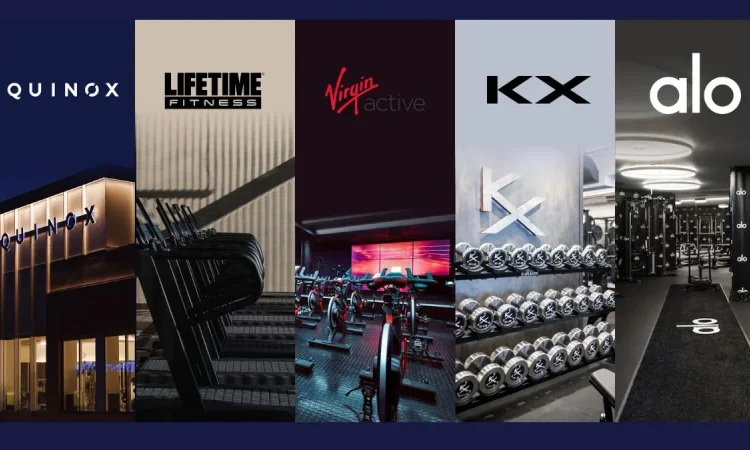
Brands that incorporate extending into their recovery offerings are finding themselves ahead of the curve. High-end gyms and wellness chains like Equinox and Life Time Fitness are already integrating personalized mobility sessions into their member programs. These services are positioned not only as value-adds but as essential to long-term athletic performance and injury prevention.

In addition, the rise of hybrid fitness, where people engage in multiple disciplines like CrossFit, running, and yoga, means that recovery modalities need to be versatile. Extending fits this demand perfectly. It can be customized for individual goals, scaled for group sessions, and integrated into both low- and high-impact training.

The Corporate Wellness Connection

As workplace wellness becomes a priority for corporations, stretching is finding its place in the boardroom. Companies like Google and Salesforce have introduced onsite or virtual mobility sessions as part of their employee wellness initiatives. Warming up has been shown to combat the effects of sedentary lifestyles, particularly musculoskeletal disorders linked to prolonged sitting.

According to a report from the American College of Occupational and Environmental Medicine, incorporating short flexibility routines into workdays can reduce the incidence of back pain by up to 32%. For employers, this translates into fewer absences, lower healthcare costs, and higher productivity.

Investment Opportunities for Fitness Entrepreneurs

The shift toward recovery-focused fitness has opened new avenues for investment. Entrepreneurs entering this space are developing purpose-built recovery centers, tech-enhanced mobility tools, and educational platforms that train professionals in advanced extending techniques.

Companies are also partnering with sports medicine institutions and universities to validate their offerings with evidence-based results. This collaboration between commercial and academic sectors is elevating the role of stretching from trend to institutionalized practice.

Stretching into the Future

As the high-performance fitness market evolves, the demand for science-backed recovery methods will only increase. Loosening up, thanks to its accessibility and adaptability, is well-positioned to remain a cornerstone of modern recovery strategies.

The future may include AI-driven flexing plans based on biometric data, virtual assistants guiding at-home routines, and even integration with augmented reality platforms to visualize muscle engagement in real-time.

Conclusion

Stretching is no longer a background act in the fitness narrative. It is a headliner in the recovery market, drawing attention from elite athletes, busy professionals, and fitness startups alike. Its role in improving mobility, enhancing performance, and reducing injury makes it a valuable asset for fitness brands looking to differentiate themselves.

For C-suite leaders and entrepreneurs in the U.S. fitness industry, now is the time to stretch your thinking—quite literally. By investing in innovation around mobility and recovery, businesses can gain a competitive edge in a market increasingly focused on long-term wellness outcomes.

About the Author

Dr. Sarah Mitchell
Dr. Sarah Mitchell

Dr. Sarah Mitchell specializes in digital health transformation and reports on the convergence of medicine and technology. Their approach combines clinical research analysis with patient outcome studies. They examine how emerging technologies affect diagnosis, treatment, and care delivery. They frequently translate medical innovations into practical implications for healthcare providers and administrators. Their perspective is shaped by conversations with physicians, hospital IT directors, and health informaticists. They write about telemedicine adoption, EHR interoperability, and clinical decision support systems. They emphasize evidence-based medicine and the importance of rigorous validation before widespread deployment. They maintain a balanced view of innovation benefits and patient safety concerns. Their coverage includes regulatory compliance, data privacy in healthcare, and cost-effectiveness analysis. Readers appreciate their ability to bridge clinical expertise with technology evaluation.

Comments

Join the discussion and share your thoughts.

No comments yet. Be the first to comment.

Leave a Reply

Your email address will not be published.

Related Posts

How Tailored Fitness Training Helps Professionals Maintain Health Without Disrupting Work Commitments?

How Tailored Fitness Training Helps Professionals Maintain Health Without Disrupting Work Commitments?

In today’s fast-paced corporate world, maintaining a healthy lifestyle while keeping up with demanding work commitments can be challenging. For C-suite executives, startup entrepreneurs, and managers, balancing professional responsibilities with personal well-being often takes a backseat. However, fitness training is no longer a luxury but a necessity for sustained productivity and long-term health. The good news is that tailored fitness training programs are now designed to fit into busy schedu

Posted on: by David Park
Arne Freundt: The Strategic Visionary Behind PUMA’s Sports Brand Leadership

Arne Freundt: The Strategic Visionary Behind PUMA’s Sports Brand Leadership

Sports is a discussion where several cultures, castes, and cross-border traditions come together to compete against each other. In this camaraderie and competitive spirit, both the sports ecosystem gets elevated to another level. Such a brand and its astute leader, Arne Freundt, CEO of Puma, is unmissable. With a mission to make PUMA the most loved sports brand in the world, Freundt has emerged as a symbol of visionary thinking, operational discipline, and authentic leadership. He very well ackn

Posted on: by Amanda
E-Commerce vs. Retail: Where Sportswear Sales Are Thriving

E-Commerce vs. Retail: Where Sportswear Sales Are Thriving

Sportswar sales have blossomed since the last 5 years. As sports events are gaining more & more attention these days, the revenuefigures are also seeing a surge. The global events have gained recognition due to sheer love for the games. The rise of online shopping for sportswear is also seen as an upsurge due to the awareness of physical activity in people & general working class.

Sports and Fitness
How Are Fitness Startups Capitalizing on Hormone Balance Trends?

How Are Fitness Startups Capitalizing on Hormone Balance Trends?

A lot of fitness startups recommend meditation & mindfulness in the context of hormone balance trends. A lot of health experts also recommend keeping a holistic approach towards individual health. Fitness programs lead to overall healing, physical, mental & spiritual too. Embracing AI in the fitness regime by adapting to fitness apps like Noom & other similar apps will help one extensively.

Sports and Fitness
Enhancing Your Workout: The Benefits of Wearable Fitness Technology

Enhancing Your Workout: The Benefits of Wearable Fitness Technology

In today's fast-paced world, the quest for optimal fitness and health has led to a surge in the use of wearable fitness technology. From smartwatches to fitness trackers, these devices have transformed how individuals approach their workouts, monitor their health, and stay motivated. This article explores the various benefits of wearable fitness technology, highlighting how it can enhance your workout experience and overall wellness.

Sports and Fitness
Beyond the Basics: How Kinetic Movement Analysis Is Paving the Way for Advanced Athletic Training

Beyond the Basics: How Kinetic Movement Analysis Is Paving the Way for Advanced Athletic Training

Kinetic movement analysis is revolutionizing the world of athletic performance by enabling coaches, trainers, and athletes to gain deeper insights into their movements, mechanics, and overall efficiency. This advanced technology is shaping the future of athletic training, providing the data-driven tools needed to optimize performance and reduce the risk of injury. By utilizing this cutting-edge analysis, athletes can push the limits of their capabilities in ways never seen before.

Sports and Fitness
How Fitness Influencers Are Transforming Sports Marketing Strategy?

How Fitness Influencers Are Transforming Sports Marketing Strategy?

In the digital-first era, the rules of sports marketing are no longer written by agencies alone. Today, consumer attention gravitates toward more personal, authentic, and relatable voices. Among them, fitness influencers have emerged as a powerful force reshaping how sports brands connect with audiences, especially in the U.S. market.

Sports and Fitness
The Competitive Edge: How E-Sports Athletes Enhance Performance

The Competitive Edge: How E-Sports Athletes Enhance Performance

E-sports, or competitive video gaming, has become a multi-billion dollar industry, with professional athletes now competing at the highest levels across various games. Much like traditional athletes, e-sports athletes require a combination of skill, strategy, and mental focus to excel. However, their path to peak performance is driven by unique techniques and approaches that enhance their gameplay. In this article, we will explore how e-sports athletes enhance their performance and what sets the

Sports and Fitness
Extreme Sports Safety: Balancing Adventure with Protection

Extreme Sports Safety: Balancing Adventure with Protection

Extreme sports have surged in popularity over the past few decades, drawing adventurers seeking the thrill of adrenaline-pumping activities such as rock climbing, snowboarding, skydiving, and more. While the exhilaration of these sports can be captivating, it is crucial to recognize the inherent risks involved. Balancing adventure with safety is essential for participants to enjoy their favorite extreme sports without compromising their well-being. This article will explore various aspects of ex

Sports and Fitness
Beyond the Treadmill: Emerging Cardio Workouts for the Modern Professional

Beyond the Treadmill: Emerging Cardio Workouts for the Modern Professional

In the relentless rhythm of the modern professional's life, finding time for fitness can feel like an impossible feat. Yet, the demands of high-stakes decision-making, long hours, and constant connectivity underscore the critical importance of maintaining peak physical and mental well-being. The traditional image of a cardio workout, often confined to the monotony of a treadmill or elliptical, no longer aligns with the dynamic, results-driven mindset of today's C-suite executives, startup entrep

Sports and Fitness