

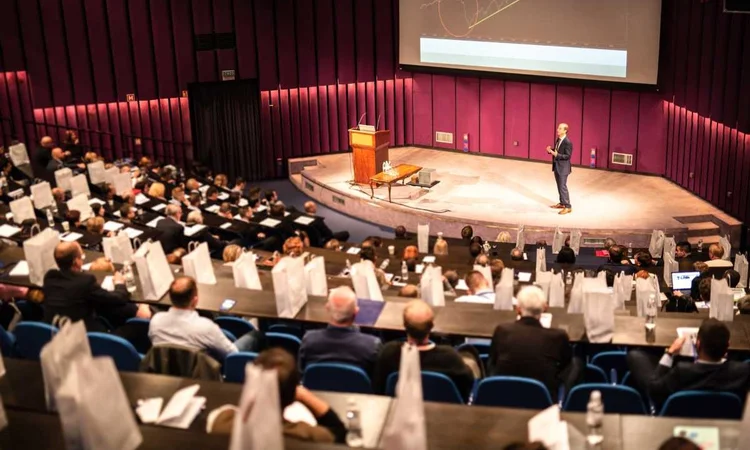
Event management is an intricate dance between creativity and logistics. At its core, organizing a memorable event is not just about big ideas and innovative concepts but also about executing those ideas flawlessly. A successful event doesn’t just captivate the audience through imaginative themes or exciting activities; it also ensures that everything runs like a well-oiled machine behind the scenes. From planning and budgeting to coordinating vendors and managing timelines, event managers must strike a delicate balance between the artistic and the logistical to deliver an unforgettable experience.
In this blog, we’ll explore how to blend creativity with logistics, highlight the challenges that event managers face, and provide practical tips for achieving harmony between the two.
The Dual Nature of Event Management

Event management requires both creativity and logistical thinking. While creativity drives the vision and experience, logistics are what make that vision come to life. Let’s break down both components:
Creativity in Event Management
The creative aspect of event planning encompasses everything from the event’s theme, decor, and entertainment to the unique elements that will make it stand out. Creativity is essential for crafting memorable experiences, whether you’re designing an elegant corporate gala or organizing an interactive festival. The goal is to leave a lasting impression on attendees and ensure that they feel engaged throughout the event.
Key creative elements to consider include:
Theme and Concept: Establishing a theme gives the event a unique identity, whether it’s for a wedding, conference, product launch, or charity gala. Creativity shines when the theme ties into the event’s purpose and evokes an emotional response from guests.
Visual and Aesthetic Appeal: From lighting to floral arrangements, color schemes, and venue design, creativity plays a key role in setting the tone and atmosphere of the event.
Entertainment and Activities: Whether it’s selecting performers, organizing interactive sessions, or designing engaging activities, creative programming keeps attendees entertained and immersed.
Logistics in Event Management
While creativity drives the event’s appeal, logistics are essential for its practical execution. Logistics refer to all the behind-the-scenes elements that ensure everything runs smoothly. This involves coordinating various moving parts, including scheduling, managing the event budget, securing permits, hiring vendors, and ensuring that the right technology is in place.
2. Key logistical tasks include:
Scheduling and Timing: Coordinating event timelines, from setup to breakdown, ensuring that every task is completed on time, and keeping all activities flowing seamlessly.
Vendor and Supplier Coordination: Securing and managing relationships with caterers, decorators, technicians, and other vendors is critical to the event’s success. Logistic issues, like delayed deliveries or incorrect orders, can ruin an event’s execution.
Budget Management: Sticking to a budget is a fundamental aspect of event management. Balancing creative aspirations with budgetary constraints requires careful planning and prioritization.
On-the-Day Execution: Managing all logistics on the day of the event, such as overseeing staff, coordinating transportation, troubleshooting technical issues, and handling emergencies.
Why Balancing Creativity and Logistics is Crucial
While creativity fuels the event’s atmosphere and appeal, logistics ensure that the vision becomes reality. Event managers who excel at balancing both will avoid common pitfalls, such as running out of time, exceeding the budget, or delivering a poor guest experience due to logistical failures.
Incorporating creativity while managing logistics involves a multi-layered approach, where both elements complement each other. For example, you could create an immersive experience using a visually striking set design, but it’s the logistical coordination of the sound, lighting, and timing that will bring that design to life effectively. A disorganized logistical operation can lead to chaos, no matter how brilliant the creative concept is.
Common Challenges in Balancing Creativity and Logistics

Budget Constraints: A common challenge that event managers face is ensuring that creative ideas align with the budget. Creativity often demands higher costs, whether it’s for elaborate decorations, premium entertainment, or high-end catering. On the flip side, logistics require costs for items like venue rentals, permits, insurance, and transportation. Finding ways to make creative ideas work within a set budget is key to producing an event that feels luxurious and well-executed, without breaking the bank.
Tip: Prioritize the elements of creativity that have the most impact on your event’s experience. Opt for affordable yet creative solutions where possible, such as repurposing materials, working with local vendors, or using technology to enhance the experience.
Time Constraints: Event planning involves juggling many tasks, all of which need to be completed in a limited amount of time. Tight schedules can make it hard to focus on the creative aspects, especially when logistical issues are demanding attention. Rushing through creative decisions can result in missed opportunities for innovation, while delays in logistics can derail the overall event.
Tip: Create a detailed timeline with buffer periods built in for both creative and logistical tasks. Plan well in advance so you have time to fine-tune the creative elements without compromising on the logistics.
Unforeseen Problems: Problems arise unexpectedly in event management, whether it’s a vendor failing to deliver, technical glitches, or weather disruptions for an outdoor event. These unforeseen challenges can threaten the success of the event, but a well-prepared event manager can creatively pivot to resolve the issue without compromising the experience.
Tip: Have contingency plans in place for every scenario, such as backup venues, alternative entertainment options, and emergency funds for last-minute fixes. Flexibility and a problem-solving mindset are vital when challenges arise.
Practical Tips for Balancing Creativity with Logistics

1. Collaborate with Your Team
Event management is a team effort, and collaboration is essential for success. While the creative direction may be set by a lead designer or planner, logistics are often handled by a team of specialists, such as production coordinators, technical managers, and venue staff. Frequent communication and brainstorming sessions will help merge creativity with practicality.
Tip: Foster an environment of collaboration by hosting regular meetings and involving key team members in both creative discussions and logistical planning.
2. Leverage Technology
The right tools can help you streamline both the creative and logistical sides of event management. Event management software, project management platforms, and budgeting tools are indispensable in keeping everything organized. Technology also enables better communication, tracking, and real-time updates, which are crucial for managing both creativity and logistics efficiently.
Tip: Invest in event management software like Asana, Trello, or Eventbrite to keep all team members on the same page. Use design software like Adobe Creative Suite for mood boards and layout planning to visually bring creative concepts to life.
3. Create a Clear Plan with Defined Roles
One of the most effective ways to balance creativity with logistics is to outline a clear plan and assign specific roles to each team member. By setting realistic timelines and delegating tasks based on expertise, everyone can focus on what they do best, creatively and logistically. A clear division of labor ensures that creative ideas are translated into action while logistics are executed smoothly.
Tip: Develop a detailed event flowchart and task list that defines the creative vision and assigns logistical responsibilities accordingly. Keep everyone on track by reviewing the plan regularly.
4. Incorporate Creativity into Logistics
Sometimes, the most effective way to balance creativity with logistics is to infuse creativity into the logistical tasks themselves. For instance, you can work with caterers to create a themed menu or choose a venue with architectural elements that align with your theme. Think of the logistical aspects as opportunities for creative innovation, rather than tasks that need to be executed separately.
Tip: Look for creative solutions to logistical challenges, such as using unconventional venues or transforming basic elements like lighting or signage into artistic features.
Conclusion
Event management is a complex process that requires an intricate blend of creativity and logistics. By thoughtfully balancing both elements, event planners can craft experiences that are not only imaginative and engaging but also executed with precision and efficiency. Embrace both the creative vision and logistical challenges, and you’ll be equipped to deliver exceptional events that leave a lasting impact on your guests.
Ultimately, mastering the art of balancing creativity with logistics is about understanding how both can work together harmoniously. While one brings the sparkle and flair, the other ensures that everything falls into place. A seamless blend of both ensures that the final result will be an unforgettable event from start to finish.








Leave a Reply
Your email address will not be published.