


In today’s high-stakes corporate world, CEOs are not just figureheads steering strategy; they are architects of leadership ecosystems. The success or failure of a company often hinges on one decisive factor: the strength of its executive team.
A brilliant CEO alone cannot drive transformation, innovation, and growth. It takes a cohesive, high-performing leadership team, a group of diverse thinkers who share the same vision but bring different perspectives to the table. Whether you’re leading a Fortune 500 company, a fast-growing startup, or a legacy enterprise in transition, the art of assembling a winning executive team is what separates companies that lead from those that lag.
So, how should CEOs build an executive dream team, one that thrives under pressure, drives innovation, and sustains growth through disruption? Let’s explore the science, psychology, and strategy behind assembling top-tier leadership.
1. Redefining the CEO’s Role: From Commander to Connector
Traditionally, CEOs were seen as command-and-control leaders, the ultimate decision-makers whose word was final. But the modern CEO has evolved. The best CEOs today are connectors, not commanders.
They focus on:
Curating the right mix of leaders, not just hiring “the best resumes.”
Creating a culture of trust, where executives challenge ideas without fear.
Ensuring alignment of purpose, so everyone drives toward shared outcomes.
A successful CEO today acts like a coach, balancing empowerment with accountability, vision with empathy, and decisiveness with humility. As Satya Nadella of Microsoft once said, “The ‘C’ in CEO should stand for ‘Culture.’” His leadership transformation of Microsoft wasn’t about products; it was about rebuilding a culture of collaboration and curiosity.
2. The Core DNA of a Winning Executive Team

An exceptional executive team is like a championship sports team. It’s not just about individual talent, it’s about complementary strengths, alignment, and chemistry.
Here’s the core DNA every CEO should look for when building such a team:
1. Strategic Diversity
Avoid the “mirror effect.” CEOs often subconsciously hire people like themselves, same thinking style, the same background. This limits innovation. Instead, seek diversity in:
Experience (startups + corporates)
Thought process (analytical + creative)
Industry exposure (cross-sector learning often sparks innovation)
2. Shared Purpose
Different perspectives are valuable, but all executives must share one thing: a commitment to the company’s mission, values, and long-term vision. Without it, even the smartest team fragments under stress.
3. Ego-Free Collaboration
High performers often come with strong egos. The CEO’s challenge is to find leaders with confidence but not arrogance, people who can debate passionately but align once a decision is made.
4. Emotional Intelligence (EQ)
The higher up one goes, the more emotional intelligence matters. Leaders with empathy, self-awareness, and resilience foster psychological safety, a key ingredient of team performance, according to a decade-long Google study on effective teams.
5. Accountability and Results Mindset
A high-performing executive team thrives on ownership. Each member must not only manage their function but also own business outcomes collectively. The mantra: No silos, only shared success.
3. The CEO’s Blueprint for Building the Dream Team
Step 1: Define the Business Imperative
Before hiring executives, a CEO must first define the strategic mission of the company over the next 3–5 years.
Ask:
Are we scaling or transforming?
Are we optimizing operations or entering new markets?
Do we need innovation, stability, or both?
The answers determine what kind of leaders you need.
For example:
A scaling startup may need an operations expert and a people-first HR leader.
A legacy company in transformation might need a digital strategist and a change management pro.
A brand facing disruption requires bold innovators who challenge the status quo.
Hiring without clarity leads to mismatched expectations and organizational drift.
Step 2: Build for Complementarity, Not Conformity
A CEO’s executive team shouldn’t be a group of clones. Instead, it should be a mosaic of complementary strengths.
Think of Pixar: creative genius, operational rigor, and marketing mastery coexisted seamlessly because each leader’s strength filled another’s gap.
The CEO’s role? Ensure friction turns into productive tension, not destructive conflict.
“If two people always agree, one of them is unnecessary.” , William Wrigley Jr.
Encourage debate, not division. Harmony is overrated, alignment after healthy disagreement is what fuels innovation.
Step 3: Hire for Values, Train for Skills
Skills evolve, values endure. A CEO should prioritize leaders who align with the company’s ethical core and leadership philosophy.
For instance:
Integrity ensures consistent decision-making.
Curiosity drives innovation.
Empathy builds culture.
Technical expertise is critical, but in fast-changing industries, today’s technical skills can be outdated tomorrow. What lasts are values, adaptability, and leadership maturity.
Step 4: Make Culture the Cornerstone
Culture is the invisible hand that shapes every decision. CEOs must articulate and model the culture they expect.
If you want a culture of innovation, reward experimentation, not just success. If you want accountability, make transparency the norm, not the exception.
As Peter Drucker said, “Culture eats strategy for breakfast.” Even the most well-structured team will collapse if the culture is toxic or unclear.
Step 5: Balance “Stars” with “System Builders”
A frequent mistake CEOs make is overloading their team with high-profile “stars”, individuals with stellar track records but limited collaboration skills.
The best teams blend:
Visionaries, who set direction.
Operators who execute flawlessly.
Integrators, who connect people and functions.
System builders are invaluable; they quietly create processes, communication flows, and team norms that make greatness repeatable.
4. The Power of Trust and Transparency

The foundation of every winning executive team is trust. Without it, even the best talent implodes under pressure.
CEOs must cultivate trust in three dimensions:
Trust in Competence – Believing each member will deliver results.
Trust in Character – Knowing decisions come from integrity, not ego.
Trust in Communication – Ensuring transparency even when the news is bad.
CEOs like Howard Schultz (Starbucks) and Mary Barra (GM) exemplify this. They built teams where bad news traveled fast, because people weren’t punished for honesty.
Transparency creates speed. When executives trust each other, decision-making accelerates, silos shrink, and alignment becomes effortless
5. Diversity and Inclusion: The Secret Growth Engine
Numerous studies confirm what visionary CEOs already know, diverse executive teams outperform homogeneous ones.
McKinsey’s 2023 research shows companies with diverse executive teams are 33% more likely to outperform on profitability. But diversity is not just a box to tick, it’s a strategic advantage.
Why?
Different backgrounds lead to broader problem-solving.
Diversity fuels creativity and market understanding.
Inclusion builds a sense of belonging, reducing turnover and increasing innovation.
For CEOs, diversity starts at the top. A truly inclusive C-suite signals that the organization values every voice, and that leads to smarter, more sustainable growth.
6. Managing Conflict Without Collapsing Collaboration
No high-performing executive team is free from conflict. In fact, the right kind of conflict is healthy.
The CEO’s challenge is to channel disagreement into decision-making energy, not destructive politics.
Practical ways to do this:
Normalize dissent. Encourage executives to challenge ideas, not individuals.
Use structured debates. Let teams present opposing cases before deciding.
Separate discussion from decision. Once a call is made, everyone commits.
Jeff Bezos calls this “disagree and commit.” It’s a mindset where debate is welcome, but once the decision is set, unity follows.
7. Empowerment and Accountability: Two Sides of the Same Coin
Winning teams are not micromanaged; they’re empowered.
But empowerment without accountability is chaos. CEOs must strike the right balance.
Give executives autonomy in their domains.
Expect shared ownership of company-wide outcomes.
Use data andKPIs to measure results, not to police people.
When accountability is seen as a shared commitment rather than surveillance, executives take greater initiative and responsibility.
8. Continuous Evolution: Teams Aren’t Static
A common trap CEOs fall into is keeping the same leadership team for too long, even when business needs change.
Winning teams evolve.
As companies grow, leadership gaps emerge.
Market shifts may demand new skills or mindsets.
Sometimes, good leaders simply outgrow their roles.
A courageous CEO must be willing to restructure the C-suite to align with new realities. This isn’t disloyalty, it’s strategic evolution.
9. The Feedback Loop: The CEO as Chief Listener
An often-overlooked quality of great CEOs is their ability to listen deeply, to employees, customers, and especially their executive team.
Creating structured feedback systems helps CEOs detect:
Cultural friction points.
Role overlaps or blind spots.
Opportunities for team development.
Regular 360° feedback, executive retreats, and strategy off-sites can refresh alignment and strengthen bonds.
Great CEOs don’t just talk about listening; they institutionalize it.
10. Case Studies: Leadership Chemistry in Action
[Source -Getty Images]
Satya Nadella – Microsoft’s Transformation
When Nadella took over as CEO, he reshaped the executive team around empathy and collaboration. He replaced the “know-it-all” culture with a “learn-it-all” mindset, fostering shared success over individual heroics.
Result: Microsoft’s valuation tripled, and its internal culture transformed.
Mary Barra – General Motors
Barra built a leadership team centered on accountability and transparency, breaking silos that had plagued GM for decades. Her team was empowered to take swift, informed decisions, a hallmark of resilient leadership.
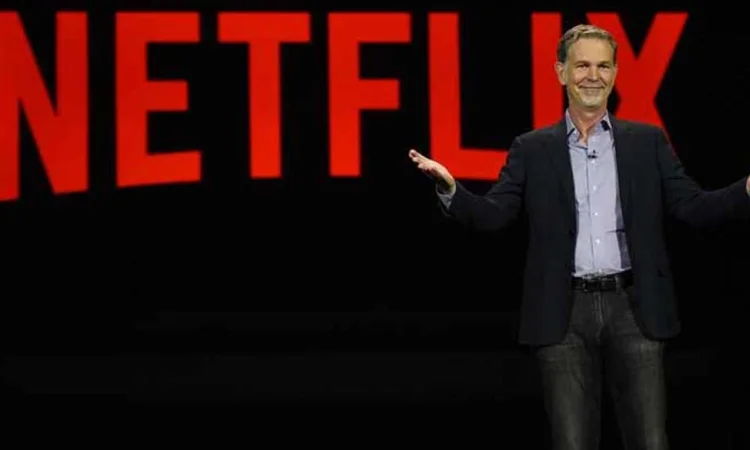
Reed Hastings – Netflix
Hastings’ “freedom and responsibility” culture empowers executives to act like owners. By blending trust, creativity, and radical candor, Netflix’s leadership team thrives in an industry where innovation speed defines survival.
11. The Future of Executive Leadership Teams
As industries evolve with AI, remote work, and sustainability imperatives, the next-generation executive team must look different.
Tomorrow’s CEOs will need to build teams that are:
Tech-fluent, understanding digital and AI-driven decisions.
Purpose-oriented, aligning business success with societal value.
Globally agile, capable of navigating geopolitical and cultural complexity.
Future C-suites will blend data-driven precision with human-centered leadership, a synthesis of intellect, empathy, and foresight.
Conclusion: The CEO as the Conductor of Excellence
Building a winning executive team is both an art and a science. It’s about crafting the right chemistry of talent, trust, and timing.
A CEO’s true legacy isn’t just measured by quarterly earnings, it’s seen in the team they build, the culture they shape, and the leaders they leave behind.
When the right minds and hearts sit around the executive table, innovation flows, strategy aligns, and purpose thrives.
In the end, great CEOs don’t just lead, they orchestrate brilliance.










Leave a Reply
Your email address will not be published.