


Imagine a city where everything you need, your job, your grocery store, your child’s school, your gym, your favorite café, your doctor’s office, is no more than a 15-minute walk or bike ride from your front door. No honking traffic, no hour-long commutes, no daily grind through urban sprawl.
Sounds like a utopian dream?
Not anymore. Welcome to the era of the 15-Minute City, a bold urban planning concept that’s quickly becoming a global movement toward more sustainable, human-centric living.
As the modern world grapples with climate change, growing mental health concerns, rising energy costs, and post-pandemic lifestyle shifts, the 15-minute city offers a compelling alternative to our current way of living. It’s not just a framework for transportation or zoning, it’s a reimagination of time, space, and the quality of everyday life.
Let’s explore what the 15-minute city means, why it’s gaining momentum, and how it could redefine how we live, work, and connect in the cities of tomorrow.
What Is a 15-Minute City?

Coined by French-Colombian urbanist Carlos Moreno, the 15-minute city is an urban planning model that focuses on decentralizing city services. Its core principle? Every resident should be able to access their basic needs within 15 minutes, on foot or by bike.
That includes:
Workplaces
Housing
Education
Healthcare
Shops
Green spaces
Cultural venues
Leisure and community services
It’s about shrinking the physical footprint of daily life to maximize time, reduce stress, and foster community. In short, it’s about living locally, without sacrificing variety or vibrancy.
Why Now? The Timing of a Global Shift
The 15-minute city idea isn’t new, but its rise in popularity is no coincidence. Several major forces are converging:
Climate Urgency
Urban sprawl is a major contributor to carbon emissions, thanks to car-centric lifestyles. By reducing the need for cars, 15-minute cities help cut emissions, traffic, and pollution.
Post-Pandemic Priorities
COVID-19 revealed the fragility of global systems and the value of local ones. Suddenly, being close to essentials wasn’t just a luxury; it was a necessity.
Mental Health Awareness
Long commutes and disconnected neighborhoods have been linked to higher stress, anxiety, and loneliness. A walkable, community-based city fosters well-being.
Remote and Hybrid Work
As work detaches from traditional offices, people are demanding neighborhoods that support their full lives, not just their sleep.
The Pillars of the 15-Minute City
This isn’t just about proximity. The 15-minute city is built on four key principles:
1. Ecology: Cities must be green and sustainable, with trees, parks, clean air, and climate resilience embedded into design.
2. Proximity: Services should be closed. People shouldn’t have to cross town to buy milk, see a doctor, or attend school.
3. Diversity: Neighborhoods must offer a mix of housing, jobs, retail, and culture to serve all residents.
4. Density: Walkable density, not overcrowding, allows for vibrant communities with enough people to sustain local businesses and services.
Cities Leading the Way
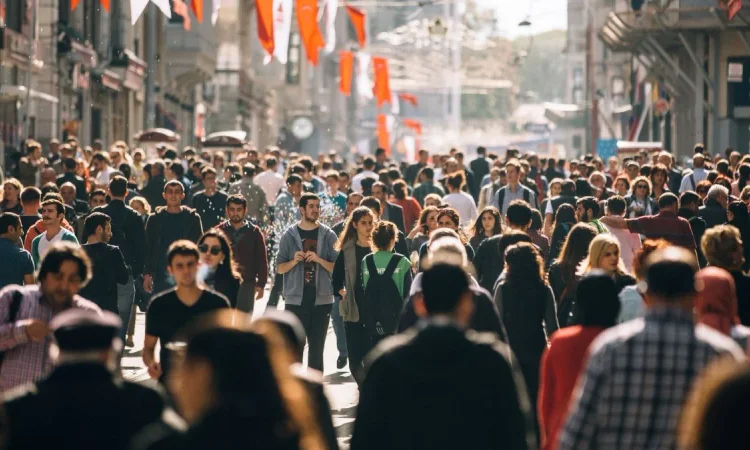
The 15-minute city isn't just a theory; it’s being put into action around the world:
Paris, France
Mayor Anne Hidalgo has embraced the concept to transform Paris. Schools double as community centers, streets are reclaimed for pedestrians and cyclists, and parking spaces are turned into public plazas.
Shanghai, China
Shanghai’s “15-minute community life circles” aim to make essentials available within walking distance for every resident, with thousands of such circles now mapped and measured.
Ottawa, Canada
With its “15-Minute Neighbourhoods” plan, Ottawa is reshaping zoning laws to enable mixed-use areas and reduce dependence on cars.
Melbourne, Australia
Melbourne’s “Plan Melbourne 2017–2050” includes a commitment to creating 20-minute neighborhoods, prioritizing health, walkability, and local services.
These are just the pioneers. Cities across the globe, from Bogotá to Barcelona, Portland to Milan, are adapting the model in their own culturally relevant ways.
From Urban Planning to Lifestyle Design
The 15-minute city is more than zoning; it’s lifestyle engineering.
Imagine starting your morning with a stroll to your favorite café. You drop your child at the nearby daycare, work remotely from a co-working space down the block, grab groceries from the corner market, and catch a community concert in the evening, all without starting your car.
This kind of living encourages:
Time wealth – more hours for family, rest, hobbies, and health
Community ties – stronger relationships with neighbors and local businesses
Physical wellness – more walking, less sedentary time, cleaner air
Economic resilience – local spending supports local jobs
People don’t just want smart cities, they want livable ones.
Challenges to Making It Happen
Of course, turning existing cities into 15-minute cities isn’t simple. Some of the hurdles include:
Legacy Infrastructure: Many cities were built around cars and highways, not sidewalks and bike paths. Retrofitting is expensive and complex.
Housing Inequality: If walkable neighborhoods become trendy, there’s a risk of gentrification pushing out low-income residents.
Zoning Restrictions: Strict single-use zoning laws separate homes, businesses, and public services, working against proximity and diversity.
Cultural Resistance: In car-centric cultures, reducing roadways for pedestrians or cyclists often faces public pushback.
The success of the 15-minute city depends not only on planning but on inclusive, people-first policies that prioritize equity, access, and affordability.
Technology as an Enabler, Not a Replacement
While the 15-minute city focuses on physical proximity, tech still plays a vital role:
Mobility apps for bike-sharing, e-scooters, and public transit
Digital health platforms connecting local clinics and patients
Smart grids and energy-efficient infrastructure
Community apps for hyperlocal updates and resource sharing
But unlike smart city models that prioritize sensors and screens, the 15-minute city puts human needs ahead of digital ones. Technology is a tool, not the destination.
What Citizens Can Do
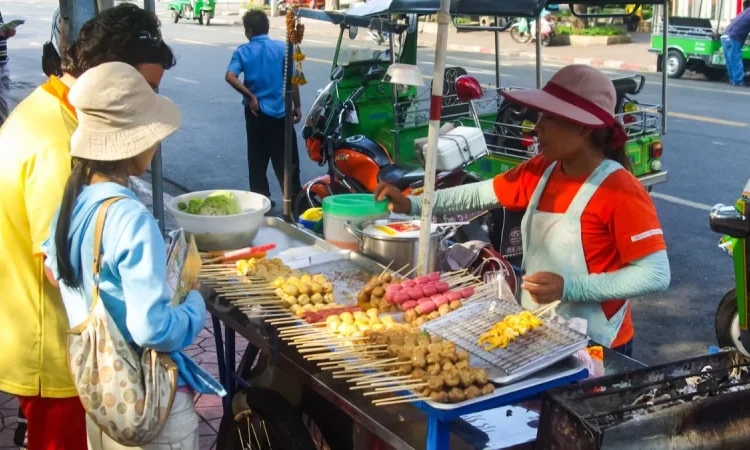
You don’t need to be an urban planner to support or shape your city’s transformation. Here’s how citizens can help:
Support local businesses instead of distant chains
Advocate for bike lanes, parks, and pedestrian zones
Participate in city planning meetings and town halls
Push for mixed-use developments and zoning reform
Choose to live, work, and socialize locally
Creating a 15-minute city is a shared responsibility; citizen engagement is just as crucial as government planning.
Conclusion: Reclaiming Our Cities, One Neighborhood at a Time
At its heart, the 15-minute city is about reclaiming our most precious resource: time.
It’s about shifting from fast to fulfilling. From isolated to interconnected. From car-bound to community-based. As cities around the world embrace this model, we’re reminded that great urban design doesn’t just build places, it builds better lives.
The question is no longer “Is this possible?” It’s: “What are we waiting for?”
Because the future of urban living isn’t found in the next skyscraper or tech startup. It’s found right around the corner, in vibrant, walkable, 15-minute communities where life thrives, not just survives.









Leave a Reply
Your email address will not be published.