


A New Era Where Purpose and Profit Converge
Business in 2025 looks profoundly different from what it did even a decade ago. Once dominated by a single-minded focus on financial gain, today’s business landscape embraces a more holistic definition of success, one that balances profitability with ethical responsibility, environmental care, and long-term societal impact. Companies have come to realize that consumers no longer admire growth at any cost. Investors no longer tolerate hidden environmental risks. Employees no longer feel inspired by companies driven purely by shareholder demands. Instead, the modern era celebrates organizations that pursue profit with purpose, making sustainability not simply a moral choice but a competitive advantage.
Why Sustainability Became a Strategic Imperative
Global expectations have shifted dramatically, forcing businesses to rethink the meaning of value. Consumers, especially younger generations, want to support brands that reflect their beliefs and safeguard the planet for future generations. Investors are steering capital toward firms with strong ESG foundations, interpreting sustainability as an indicator of resilience and operational excellence. Governments are enforcing stricter regulations that demand transparency, reduced emissions, and accountability across supply chains. Meanwhile, the increasing scarcity of natural resources has compelled companies to innovate in how they produce, ship, and manage materials. As a result, sustainability is no longer an optional initiative; it is the foundation of a future-ready business model.
Redefining What a Sustainable Business Model Truly Means
In 2025, sustainable companies share common philosophies even if they operate in different industries. They prioritize long-term environmental stewardship, embracing energy efficiency, carbon reduction, and responsible resource use as core elements of their operations. Their social practices are people-focused, emphasizing fair labor conditions, diversity, ethical supply chains, and community engagement. Governance plays a vital role too, as investors and consumers demand transparent policies and ethical decision-making. Increasingly, these companies incorporate circular economy principles, reimagining products through reuse, recycling, and regenerative design. Sustainability, therefore, becomes a narrative about reducing harm while generating value that benefits businesses and society simultaneously.
Innovation as the Heartbeat of Sustainability

2025 has proven that innovation is inseparable from sustainability. Businesses are rapidly adopting renewable energy to reduce emissions and cut long-term operational costs. Technology companies operate green data centers powered by solar and wind energy. Manufacturers are integrating energy-efficient machinery to optimize production. Retail giants are transforming their stores with renewable power solutions and eco-friendly infrastructure. This shift is not merely operational; it is strategic. Companies adopting sustainable energy solutions enjoy reduced overhead, improved efficiency, and enhanced brand reputation. Even more importantly, they gain a resilient foundation capable of weathering global volatility.
From Linear to Circular: Rethinking Product Life Cycles
The traditional “take–make–dispose” model of production is quickly fading. In its place rises the circular economy approach, where products are designed with longevity, repairability, and recyclability in mind. Fashion brands are incorporating recycled fibers, offering take-back programs, and extending product life through repair services. Electronics companies are embracing modular designs, allowing parts to be upgraded rather than replaced entirely. Consumer goods companies are transitioning toward biodegradable materials and reusable packaging. This shift not only preserves resources but also builds deeper customer loyalty by creating a more conscious and accountable consumption cycle.
Transparency and Traceability as Trust Builders
Consumers today demand to know how and where their products are made. As a result, companies are leveraging advanced technologies like blockchain, AI monitoring, and digital traceability tools to reveal the origins of raw materials and the conditions under which products are manufactured. Transparent supply chains strengthen trust and reduce risks associated with unethical labor practices or environmental violations. By openly sharing sourcing information, packaging choices, and sustainability milestones, companies create stronger bonds with customers who feel empowered by understanding the journey behind each purchase.
The Economic Payoff of Going Green
The narrative that sustainability limits profitability has been thoroughly disproven. In fact, the opposite is true: businesses that invest in sustainability enjoy enhanced financial performance. Resource-efficient practices lead to lower operating costs. Purpose-driven brands attract more loyal customers and command premium pricing. Investors reward companies with sustainable governance structures by offering better access to capital. Employees show greater retention and productivity when they feel connected to a company’s mission. Furthermore, companies that manage sustainability risks effectively are better protected from disruptions and regulatory penalties. In every dimension, financial, operational, reputational, and sustainability prove themselves to be not just ethical but economically advantageous.
Industries Leading the Charge Toward Purpose-Driven Models
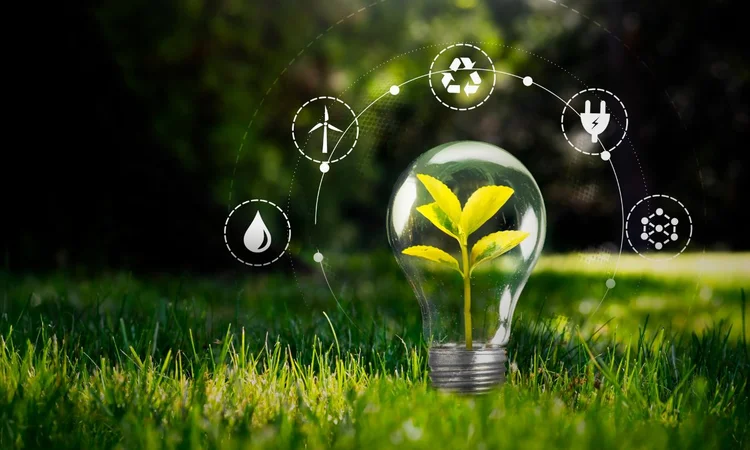
Across the global market, several sectors stand out as pioneers in sustainability. Technology companies are redesigning their hardware and services to reduce environmental impact while pushing for renewable-powered operations. The fashion industry, once known for waste and overproduction, is redefining itself through eco-conscious materials and circular design. Automakers continue their shift toward electric vehicles and carbon-neutral production methods. Real estate developers are building green-certified structures that significantly reduce energy consumption. Food and agriculture companies are adopting regenerative farming practices that restore soil health and support biodiversity. Even the finance sector is accelerating green investment portfolios, channeling capital toward climate-positive ventures. Together, these industries demonstrate that sustainability can scale, and when it does, it elevates entire economies.
Overcoming Challenges on the Road to Sustainability
Despite the momentum surrounding sustainable business models, the path is not free of challenges. Many companies struggle with the upfront costs associated with renewable energy installations or circular redesigns. Global supply chains remain complex, making ethical sourcing and zero-waste targets difficult to achieve. Regulatory standards differ across regions, complicating compliance for multinational brands. Measuring sustainability impact also remains a challenge, as companies navigate varied reporting frameworks and metrics. However, those who overcome these obstacles gain tremendous long-term rewards, operational stability, increased investor confidence, stronger brand loyalty, and a resilient business foundation capable of adapting to global changes.
Looking Beyond 2025: The Future of Profit with Purpose
As the world advances, sustainability will continue evolving from a strategic initiative into a universal prerequisite for business credibility. Companies will adopt net-zero targets as standard operating practice, supported by AI-driven energy optimization and carbon tracking. Circular business models will expand, introducing subscription-based ownership, refillable packaging, and regenerative product design into everyday commerce. Regulatory bodies will continue raising expectations around environmental and social disclosures. Meanwhile, consumers, empowered by information and motivated by shared values, will continue to reward the brands that demonstrate genuine commitment to purpose, equity, and environmental stewardship.
A New Definition of Success

The rise of sustainable business models in 2025 marks a historic turning point. It reflects a world where success is measured not only by revenue and market dominance but by impact, integrity, and contribution to humanity. Businesses are realizing that profit and purpose are not opposing forces; they are complementary pillars that strengthen one another. As companies embrace sustainability, they future-proof their operations, enrich their communities, and create meaningful value that endures. The path forward is clear: the companies that thrive will be those that innovate responsibly, act transparently, and align their growth with the well-being of people and the planet. Profit with purpose is no longer a trend; it is the blueprint for the future of business.










Leave a Reply
Your email address will not be published.