

In an ideal educational system, every student is provided with the tools and resources they need to succeed, regardless of their challenges or disabilities. However, ensuring accessibility for students with disabilities remains a significant challenge in many educational institutions. Creating an inclusive learning environment requires not only compliance with regulations but also a shift in mindset, recognizing that every student deserves the opportunity to learn and thrive. In this article, we will explore key strategies that educational institutions can implement to support students with disabilities and promote a more accessible and equitable education for all.
Understanding the Importance of Accessible Education

1. The Need for Inclusive Education
Inclusive education is the practice of educating students with disabilities alongside their peers in general education classrooms. This approach promotes equality, social integration, and a sense of belonging. By providing students with disabilities access to the same educational opportunities as their peers, schools foster an environment of mutual respect and understanding.
Research shows that students with disabilities who participate in inclusive classrooms have higher academic outcomes and better social skills compared to those who are segregated in special education programs. Inclusive education also benefits non-disabled students by fostering empathy, respect for diversity, and collaboration.
2. Legal and Ethical Considerations
In many countries, including the United States, laws like the Americans with Disabilities Act (ADA) and Section 504 of the Rehabilitation Act require schools and universities to provide equal access to education for students with disabilities. These laws mandate accommodations such as accessible facilities, assistive technologies, and modified curricula to ensure that students with disabilities have an equal opportunity to succeed academically.
Failure to comply with these legal requirements can lead to legal consequences and hinder the academic and personal development of students with disabilities. By implementing proactive strategies to support these students, educational institutions can avoid legal issues while fostering a culture of inclusion and accessibility.
Key Strategies for Supporting Students with Disabilities
1. Implementing Assistive Technologies
Assistive technology (AT) refers to any device, software, or equipment that helps students with disabilities complete tasks more efficiently or independently. From screen readers for students with visual impairments to speech-to-text software for students with learning disabilities, assistive technologies can dramatically improve access to educational content.
Examples of assistive technologies include:
Screen Readers: Software that reads text aloud for students with visual impairments or reading difficulties.
Speech-to-Text Software: Tools that convert spoken language into written text, benefiting students with dyslexia or motor impairments.
Alternative Keyboards and Mouse Devices: Customizable input devices that help students with limited mobility or motor skills.
Closed Captioning and Transcripts: Providing captions for videos and written transcripts of lectures benefits students with hearing impairments or those who learn better through reading.
Educational institutions should ensure that they have access to the latest assistive technologies and train both students and faculty on how to use them effectively.
2. Personalized Learning Plans (IEPs and 504 Plans)
Every student with a disability has unique needs, and educational institutions must create individualized learning plans that provide tailored support. In the United States, students with disabilities are entitled to an Individualized Education Program (IEP) or a 504 Plan, depending on their specific needs.
Individualized Education Program (IEP): This plan outlines specific accommodations, modifications, and services for students with disabilities in special education settings. The IEP is developed collaboratively by educators, parents, and specialists to ensure that the student receives the necessary support to succeed.
504 Plan: For students with disabilities who do not require special education but need accommodations, the 504 Plan ensures they receive equal access to educational opportunities. This plan typically includes accommodations like extended time on tests, additional breaks, or modified classroom seating.
Both IEPs and 504 Plans are living documents that should be regularly reviewed and updated to reflect the evolving needs of the student.
3. Creating an Accessible Physical Environment
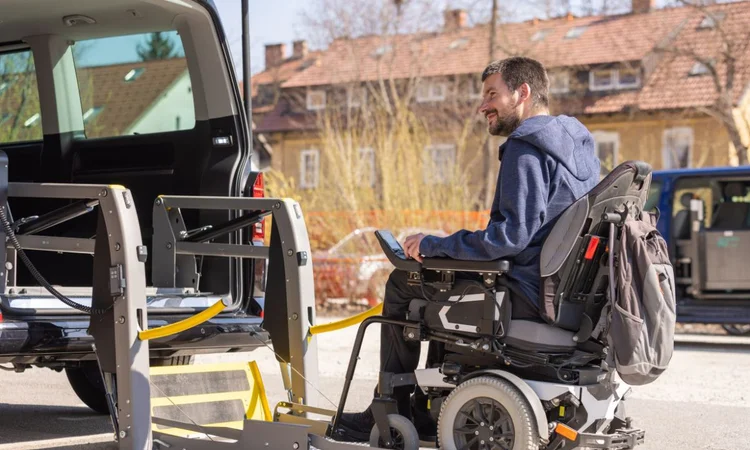
The physical environment plays a crucial role in ensuring students with disabilities can navigate the school or university campus. Schools must ensure that their facilities are physically accessible to students with a range of disabilities, including mobility impairments, visual or hearing disabilities, and cognitive challenges.
Key considerations for creating an accessible environment include:
Wheelchair Accessibility: Ensuring all classrooms, restrooms, entrances, and exits are wheelchair accessible.
Signage and Wayfinding: Clear and easy-to-read signage, including tactile or braille signage for students with visual impairments.
Classroom Design: Adjustable desks and seating arrangements that accommodate students with various needs, including those who use wheelchairs or require specialized seating.
Accessible Parking: Designating parking spaces near building entrances for students with mobility impairments.
Lighting and Acoustics: Good lighting and acoustics to aid students with visual and hearing impairments, as well as to provide a comfortable learning environment for all.
Creating a fully accessible physical environment not only complies with legal requirements but also ensures that students with disabilities can participate fully in all aspects of campus life.
4. Training Educators and Staff
Teachers and staff must be adequately trained to understand the challenges faced by students with disabilities and how to implement effective accommodations and modifications in the classroom. Professional development should focus on understanding various disabilities, learning styles, and strategies for creating inclusive classrooms.
Training should include:
Differentiated Instruction: Techniques for tailoring instruction to meet the diverse needs of students in a single classroom. This could include offering multiple means of representation, engagement, and expression.
Behavioral Management: Understanding how to support students with behavioral challenges, including those related to autism spectrum disorder or ADHD.
Collaboration with Support Services: Encouraging teachers to work closely with special education teachers, counselors, and other specialists to ensure that students’ needs are met effectively.
Ongoing training can help educators stay up-to-date with the latest research and strategies in inclusive education, enabling them to provide the best possible support to all students.
5. Encouraging Peer Support and Inclusion
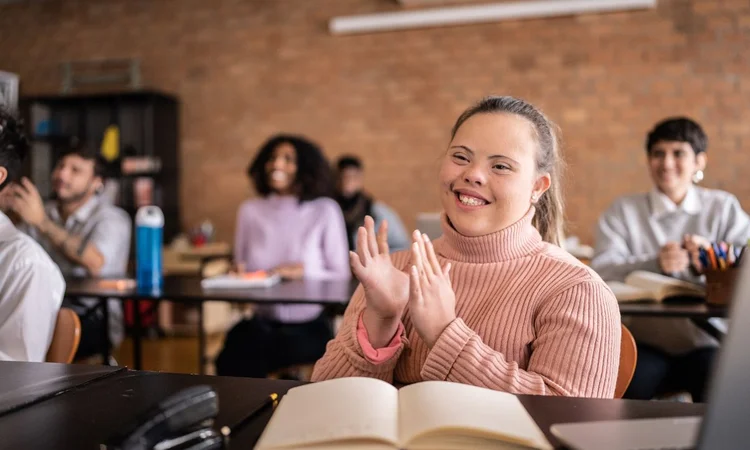
One of the most effective ways to create a supportive learning environment for students with disabilities is to foster a culture of inclusion among their peers. Encouraging positive interactions between students with and without disabilities can promote empathy, reduce stigma, and create a more inclusive classroom environment.
Strategies to encourage inclusion include:
Buddy Systems: Pairing students with disabilities with peers who can offer assistance and support throughout the school day.
Awareness Campaigns: Organizing campaigns to educate all students about disabilities and promote understanding and empathy.
Collaborative Learning Opportunities: Designing group projects and activities that encourage collaboration between students with varying abilities.
When students feel accepted and supported by their peers, they are more likely to engage actively in learning and achieve their full potential.
6. Promoting Mental and Emotional Well-being
Students with disabilities may face unique challenges related to their mental and emotional well-being, including feelings of isolation, frustration, or anxiety. Schools should prioritize mental health support by providing access to counseling services, peer support groups, and other resources.
Offering emotional support and promoting mental well-being can help students with disabilities overcome challenges, build self-esteem, and develop resilience. Schools should create a safe space where students feel comfortable seeking help and discussing any issues they may encounter.
Conclusion
Providing accessible education to students with disabilities is not just about compliance with laws; it’s about fostering an environment where all students can thrive. By implementing strategies such as assistive technologies, individualized learning plans, accessible physical environments, and educator training, schools and universities can create a more inclusive and supportive educational system. This ensures that students with disabilities have the same opportunities to succeed and contribute to society as their peers. The ultimate goal is to create a world where every student, regardless of ability, is empowered to reach their full potential.









Leave a Reply
Your email address will not be published.