

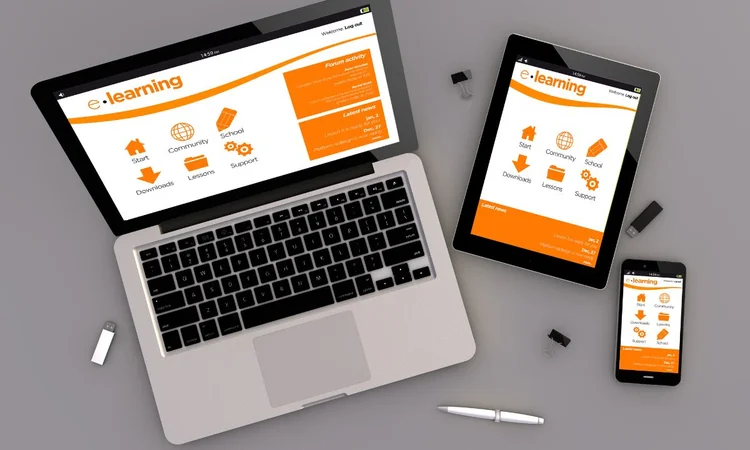
The rise of online learning platforms has disrupted the online education sector with its versatility & feasibility. Parents, students & organizations are adapting the components of the same gradually. This digital transformation of education has impacted conventional learning institutions that face newer challenges & obstacles each day. Online degree programs have taken over the subject of traditional educational degrees. Let’s explore more:
The Rise of Online Learning Platforms
Online learning platforms have disrupted the education sector by making knowledge accessible to a global audience. Platforms like Coursera, edX, Udacity, and LinkedIn Learning provide learners with courses taught by industry experts and professors from top universities. The flexibility, affordability, and diverse course offerings of these platforms have made them a preferred choice for professionals looking to upskill without committing to a full-time degree program.
While these platforms offer undeniable advantages, their credibility often hinges on accreditation and employer recognition. Traditional degrees still hold a firm place in the corporate world, but the perception of online learning is rapidly changing.
The Accreditation Factor

Accreditation serves as a quality assurance mechanism, ensuring that an educational institution meets certain academic and professional standards. Most traditional universities undergo rigorous accreditation processes, making their degrees widely recognized by employers and other institutions.
In contrast, online education platforms operate on a different model. While some courses are affiliated with accredited universities and offer certificates upon completion, many remain unaccredited. The lack of formal accreditation has raised skepticism about the legitimacy of online credentials. However, this is gradually changing as universities integrate online courses into their official curricula, providing students with accredited certifications that hold the same weight as in-person degrees.
Employer Recognition of Online Credentials
One of the biggest challenges online learning platforms face is employer recognition. Traditionally, hiring managers have favored candidates with degrees from established universities. However, as businesses increasingly prioritize skills over formal education, online learning is gaining legitimacy. Many Fortune 500 companies now recognize certifications from reputable online education platforms as evidence of a candidate’s expertise and initiative.
Companies like Google, IBM, and Microsoft have even launched their own certification programs through online learning platforms, further legitimizing non-traditional education. The rise of competency-based hiring means that candidates who demonstrate skills acquired through online courses can compete with degree-holders, particularly in fast-evolving fields like technology, finance, and digital marketing.
The Cost and Accessibility Advantage
One of the biggest benefits online learning platforms offer is affordability. Traditional degree programs come with significant tuition costs, student loan burdens, and additional expenses such as housing and textbooks. Online courses, on the other hand, provide access to high-quality education at a fraction of the cost. This makes learning more accessible to individuals who might otherwise be unable to afford a formal education.
Beyond cost, online education platforms provide unmatched flexibility. Working professionals, parents, and individuals in remote locations can learn at their own pace without the constraints of a rigid academic schedule. This democratization of education ensures that more people have the opportunity to gain valuable skills without disrupting their careers or personal commitments.
Can Online Learning Platforms Replace Traditional Degrees?

While online learning platforms are making significant strides, replacing traditional degrees entirely is unlikely in the near future. Universities provide a structured learning environment, networking opportunities, and a holistic educational experience that online courses cannot fully replicate. Moreover, certain professions, such as medicine, law, and engineering, require accredited degrees and rigorous licensing examinations, which online learning platforms cannot yet provide.
However, online education is an excellent supplement to traditional learning. Hybrid models, where students combine university education with online certifications, are becoming more common. This approach allows learners to gain foundational knowledge through a degree while acquiring specialized skills through online courses, making them more competitive in the job market.
The Future of Online Learning Accreditation
To remain competitive with traditional degrees, online learning platforms must address accreditation concerns. Some universities and accreditation bodies are already collaborating with these platforms to offer credit-bearing courses. Initiatives like the MicroMasters program on edX and Google’s Career Certificates are examples of how online education is aligning with industry standards.
Regulatory bodies may also play a role in establishing a standardized accreditation system for online courses, ensuring they meet educational benchmarks. If such measures become widespread, the gap between traditional degrees and online certifications will narrow significantly.
Moreover, emerging technologies like blockchain-based credentialing could further enhance the credibility of online education. Digital credentials verified through blockchain can prevent fraud, offer employers a transparent view of a candidate’s skills, and ensure lifelong learning records are easily accessible.
The Role of Industry Partnerships

To further boost their credibility, distance learning platforms are increasingly partnering with industries to design courses that align with real-world job requirements. These partnerships bridge the gap between education and employment, ensuring that learners acquire practical skills that directly apply to their careers.
For example, platforms like Udacity offer "Nanodegrees" in collaboration with tech giants such as Google, Amazon, and AT&T, where learners gain hands-on experience with industry-specific projects. Similarly, IBM and Coursera have partnered to offer specialized certifications in artificial intelligence and data science, providing learners with recognized credentials that employers actively seek.
As more companies recognize the value of these industry-backed programs, online learning will continue to gain legitimacy. Over time, these initiatives could play a crucial role in shaping a new era of education where skills take precedence over traditional degree titles.
Conclusion
Online learning platforms have revolutionized education, offering flexible, affordable, and skill-focused courses that appeal to professionals and students alike. While they have yet to fully replace traditional degrees, their growing recognition by employers and increasing accreditation efforts are making them a formidable alternative.
The future of education is likely to be a blend of traditional and digital learning, where online learning platforms complement formal degrees rather than compete with them. As accreditation processes evolve and employers continue to shift towards skills-based hiring, the credibility of online education will only strengthen, opening doors for learners worldwide. With continued innovation, partnerships, and advancements in verification technologies, online education is poised to become an indispensable pillar of lifelong learning and career advancement.









Leave a Reply
Your email address will not be published.