

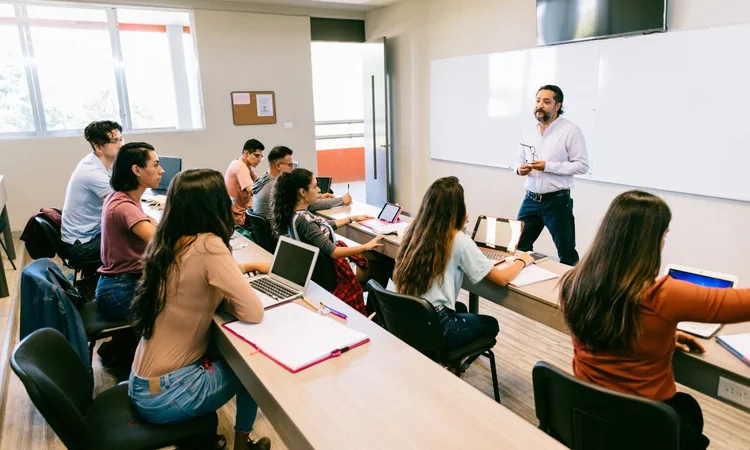
In today's data-driven world, businesses across all sectors are leveraging the power of analytics to gain deeper insights, optimize operations, and unlock untapped potential. The education sector, often perceived as lagging in technological adoption, is now undergoing a significant transformation fueled by student analytics. This isn't merely about crunching numbers on test scores; it's about harnessing the vast amounts of data generated by students to understand their learning journeys, identify hidden talents, and, ultimately, cultivate a more effective and equitable educational ecosystem. For business leaders, understanding this shift is crucial, as it shapes the future talent pool and presents opportunities for innovation and investment.
The Limitations of Traditional Assessment
For too long, the evaluation of student potential has been largely confined to traditional metrics like grades and standardized test results. While these provide a snapshot of academic performance, they often fail to capture the full spectrum of a student's abilities, interests, and challenges. A student might excel in creative problem-solving or demonstrate exceptional collaborative skills, yet these qualities may not be adequately reflected in their transcript. This narrow view can lead to missed opportunities for both the student and the educational institution.
A Holistic View: The Power of Student Analytics

Student analytics offers a far more granular and holistic view. By analyzing a diverse range of data points – from engagement in online learning platforms and participation in extracurricular activities to learning styles identified through adaptive assessments and even patterns in help-seeking behavior – educators and institutions can gain unprecedented insights into the unique strengths and weaknesses of each learner. This comprehensive approach moves beyond a singular, summative judgment and paints a richer picture of a student's capabilities and potential.
Imagine a scenario where a student consistently underperforms in traditional math assessments but demonstrates exceptional problem-solving skills in coding clubs or excels in visual learning tasks on digital platforms. Without academic analytics, this potential might remain undiscovered, and the student could be mislabeled or miss out on opportunities tailored to their strengths. By analyzing data on their engagement with different learning modalities and their performance in varied contexts, educators can identify this hidden aptitude and provide targeted support and enrichment in areas where the student truly shines.
Uncovering Learning Patterns and Providing Timely Interventions
The power of student analytics lies in its ability to move beyond surface-level assessments and delve into the nuances of individual learning pathways. Consider the vast amounts of data generated by Learning Management Systems (LMS). These platforms track everything from time spent on specific modules and frequency of participation in online discussions to the types of resources accessed and the success rate on practice quizzes. By analyzing this data, educators can identify students who might be struggling with particular concepts early on, allowing for timely interventions and personalized support before they fall significantly behind. This proactive approach can significantly improve student outcomes and reduce the likelihood of academic disengagement.
Statistical Evidence: A study by the U.S. Department of Education found that schools utilizing data-driven instruction saw an average improvement of 0.32 standard deviations in student achievement, which translates to significant academic gains over time. While this encompasses various forms of data use, student analytics plays a crucial role in informing this effective instruction.
Furthermore, data-driven education can help identify patterns and correlations that might otherwise remain invisible. For instance, analyzing attendance records alongside engagement in extracurricular activities and academic performance could reveal a correlation between participation in specific clubs and improved outcomes in certain subjects. This insight can inform resource allocation and the promotion of activities that demonstrably contribute to student success.
Transforming Higher Education and Beyond

The application of student analytics extends beyond K-12 education. In higher education, institutions are leveraging data to improve student retention, personalize advising, and even predict which students might benefit from specific support services. By analyzing enrollment data, academic performance, and engagement in campus activities, universities can proactively reach out to students who may be at risk of dropping out, offering tailored resources and guidance to help them succeed. This not only benefits the individual student but also improves institutional efficiency and reputation.
Real-World Impact: Several universities in the U.S. have reported significant increases in retention rates after implementing sophisticated educational intelligence systems. For example, Arizona State University's early warning system, which analyzes various student data points, has been credited with a substantial improvement in first-year retention rates.
The principles of educational intelligence are also finding applications in adult education and professional development. By tracking learning progress, identifying skill gaps, and analyzing engagement with training materials, organizations can personalize learning experiences for their employees, leading to more effective upskilling and reskilling initiatives.
Opportunities for Innovation in the EdTech Sector
For startup entrepreneurs and managers in the education technology (EdTech) space, student analytics presents a fertile ground for innovation. The demand for sophisticated tools that can collect, analyze, and visualize student data in meaningful ways is rapidly growing. This includes platforms that offer personalized learning pathways, predictive analytics for early intervention, and comprehensive dashboards that empower educators with actionable insights. The ability to provide solutions that demonstrably improve student outcomes and institutional efficiency represents a significant market opportunity for those who can navigate the complexities of data privacy and user experience effectively.
Ethical Considerations and the Human Element

However, the implementation of student analytics is not without its challenges. Concerns around data privacy, security, and the potential for algorithmic bias must be addressed proactively. It is crucial to establish clear ethical guidelines and ensure transparency in how student data is collected, used, and protected. Educators and institutions must also be equipped with the necessary training and support to effectively interpret and act upon the insights generated by data-driven education tools. The technology itself is only as effective as the people who use it.
Moreover, it's vital to remember that academic analytics should augment, not replace, the human element in education. Data provides valuable insights, but the art of teaching and mentoring relies on empathy, intuition, and the ability to build meaningful relationships with students. The goal of student analytics is to empower educators with better information to make more informed decisions, ultimately fostering a more personalized and supportive learning environment where every student has the opportunity to thrive.
Conclusion
The future of education in the U.S. will undoubtedly be shaped by the intelligent use of data. Student analytics has the potential to unlock hidden potential in countless learners, personalize educational experiences at scale, and ultimately create a more equitable and effective system. For leaders across industries, understanding this transformative power is not just an academic exercise; it's an insight into the development of future talent and a call to support innovation in a sector that is fundamental to the nation's progress. By embracing the possibilities of learning analytics responsibly and thoughtfully, we can move beyond traditional metrics and truly see the unique brilliance within every student.







Leave a Reply
Your email address will not be published.