

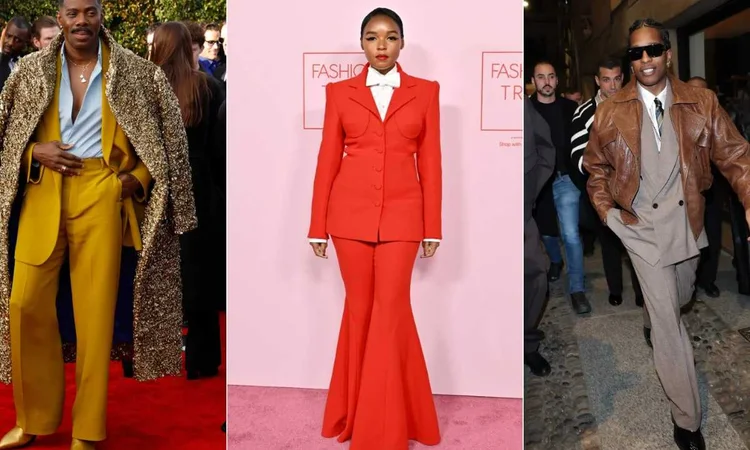
In the ever-evolving world of fashion, few events capture cultural conversation like the Met Gala. Held annually at New York’s Metropolitan Museum of Art, the gala is not just a showcase of opulent couture; it’s a stage where art, politics, identity, and history converge. Among the many themes celebrated over the years, Black Dandyism has emerged as a powerful lens, intertwining style, self-expression, and resistance.
This article explores the origins of Black Dandyism, its cultural significance, how the Met Gala has embraced it, and why it resonates in 2025 as both a fashion statement and a declaration of identity.
What Is Black Dandyism?
Black Dandyism refers to a style and cultural movement characterized by:
Impeccable sartorial choices: Tailored suits, polished shoes, elegant accessories, and attention to detail.
Distinctive personal flair: Bold colors, unique patterns, hats, walking sticks, or bespoke touches.
Defiance through elegance: Using style as a form of resistance against racial and social oppression.
Cultural pride: Celebrating African heritage, Black identity, and aesthetic excellence.
Unlike conventional fashion trends, Black Dandyism is rooted in history and ideology. It is not simply about looking good, it’s about using clothing and demeanor as tools for self-assertion, dignity, and societal commentary.
Historical Roots of Black Dandyism
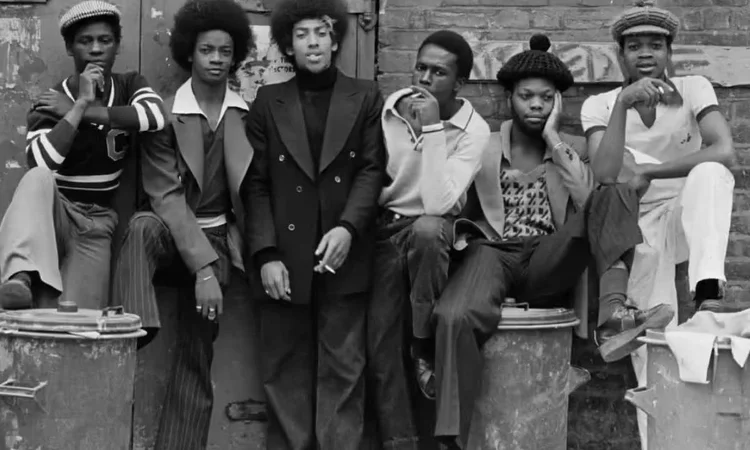
Black Dandyism traces back to the 18th and 19th centuries, when Black men in Europe and the Americas employed fashion to subvert racial stereotypes and assert social status.
Key Historical Figures
The Regency and Victorian Eras: Black men in England, the Caribbean, and the Americas often adopted elegant European attire to assert dignity and social mobility despite systemic oppression.
Josephine Baker and the Harlem Renaissance: While female figures like Baker popularized glamour and style, male dandies in Harlem wielded suits and style as markers of sophistication, intellect, and resistance.
Malcolm X and the 1960s Black Power Movement: While revolutionary in approach, the emphasis on presentation and style was a form of cultural assertion, connecting to the tradition of dandyism as a form of self-respect and rebellion.
Through history, Black Dandyism has functioned as a silent form of protest, challenging societal assumptions about race, class, and power.
Black Dandyism at the Met Gala
[Source - The New Yorker]
The Met Gala is a platform for theatrical, artistic, and socially conscious fashion, and Black Dandyism fits naturally within this context. Designers and celebrities use the gala to:
Showcase bespoke tailoring and luxurious textures.
Blend historical influences with modern fashion innovation.
Make statements about identity, heritage, and social commentary.
Iconic Met Gala Moments
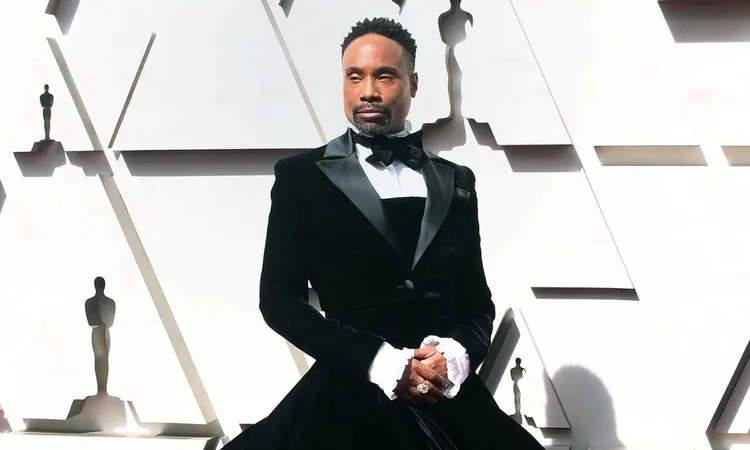
Billy Porter (2019, 2020): Known for dramatic ensembles that blend theatricality and Black cultural symbolism, Porter embodies Black Dandyism through bold silhouettes and ornate detailing.
Janelle Monáe and Ezra Miller (2020s): Gender-fluid fashion and statement suits highlight individuality and resistance to societal norms.
Stylistic Collaborations: Designers like Virgil Abloh and Kerby Jean-Raymond incorporate Black cultural history into modern tailoring, reflecting heritage and innovation simultaneously.
Through these appearances, Black Dandyism at the Met Gala transcends fashion, it becomes a visual language of empowerment and pride.
Cultural Significance
1. Resistance and Assertion
Black Dandyism embodies resilience through aesthetics. In a world where Black bodies have historically been marginalized, presenting oneself with style is a declaration of dignity, intellect, and defiance.
2. Identity and Expression
Dandyism is deeply personal. From tailored suits to accessories, each choice reflects individual narrative, cultural pride, and personality.
The Met Gala magnifies these narratives, turning them into public storytelling through fashion.
3. Intersection of Art and Politics
Black Dandyism is not mere ornamentation; it’s political art.
Designers, stylists, and celebrities use clothing to communicate social messages, from racial pride to gender fluidity, and to challenge mainstream fashion norms.
4. Influence on Contemporary Fashion
Streetwear, high fashion, and luxury brands increasingly draw inspiration from Black Dandyism.
The style emphasizes tailoring, attention to detail, and cultural storytelling, influencing mainstream menswear, accessories, and runway collections globally.
Why the Trend Resurfaces in 2025
[Source - TOI]
The prominence of Black Dandyism at events like the Met Gala in 2025 can be attributed to multiple factors:
1. Cultural Reclamation
Black communities are actively reclaiming spaces in fashion historically dominated by Eurocentric aesthetics.
Dandyism becomes a way to write oneself into fashion history with authority and pride.
2. Social Media Amplification
Platforms like Instagram, TikTok, and Twitter allow the visual impact of Black Dandyism to reach millions instantly.
Hashtags, viral moments, and influencer collaborations amplify the movement beyond the red carpet.
3. Intersectionality and Representation
Gender-fluid styling, inclusive tailoring, and diverse body representation reflect modern values of equity, representation, and freedom of expression.
The 2025 Met Gala emphasizes inclusivity, and Black Dandyism fits as both an aesthetic and cultural manifesto.
4. Fashion as Protest
With ongoing social justice movements, dressing elegantly becomes a form of activism.
Presenting oneself with poise and refinement is a subtle yet powerful statement against systemic inequality.
Key Elements of Black Dandy Style
1. Tailoring and Fit
Slim or structured suits, coats, and trousers designed for elegance and precision.
Attention to proportion, cut, and silhouette is central.
2. Accessories as Statements
Hats, pocket squares, canes, watches, and jewelry serve as extensions of identity.
These details often carry historical, cultural, or personal significance.
3. Bold Colors and Textures
Jewel tones, velvet, brocade, and embroidered fabrics highlight confidence and individuality.
Statement fabrics reflect the wearer’s personality and cultural pride.
4. Grooming and Presentation
Hair, facial grooming, and footwear complete the ensemble, emphasizing refinement, precision, and self-respect.
The Broader Impact on Society
Black Dandyism is more than fashion; it inspires community, creativity, and cultural dialogue:
Empowerment Through Style: Individuals feel empowered by embracing aesthetics that celebrate identity and heritage.
Education and Awareness: Red carpet appearances spark conversations about history, race, and culture, educating global audiences.
Commercial Influence: Luxury brands, tailors, and stylists increasingly highlight Black Dandy aesthetics, promoting diversity in fashion entrepreneurship.
Conclusion
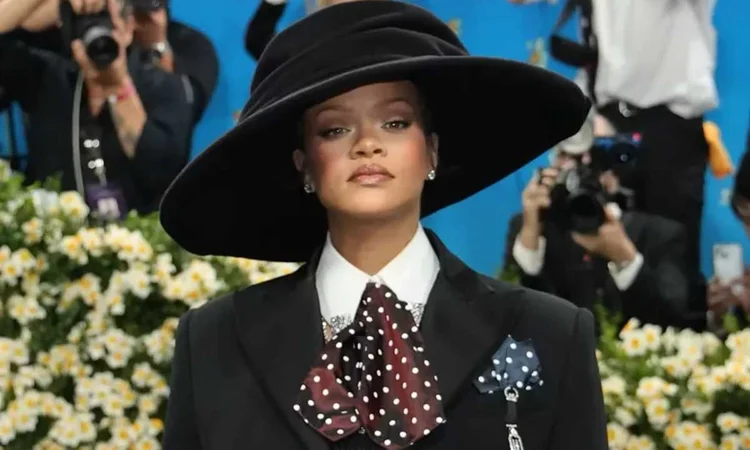
The Met Gala’s celebration of Black Dandyism in 2025 underscores a profound truth: fashion is not merely clothing; it is identity, resistance, and art. By blending historical awareness, sartorial excellence, and cultural pride, Black Dandyism empowers individuals to claim space, narrate stories, and challenge societal norms.
As designers, celebrities, and communities continue to embrace this movement, Black Dandyism cements its place as both a style statement and a cultural declaration. It reminds the world that elegance can be revolutionary, that beauty can be defiant, and that fashion, at its best, celebrates identity while challenging the status quo.
In the end, Black Dandyism at the Met Gala is more than a spectacle; it is a celebration of resilience, creativity, and the enduring power of style as resistance.







Leave a Reply
Your email address will not be published.