

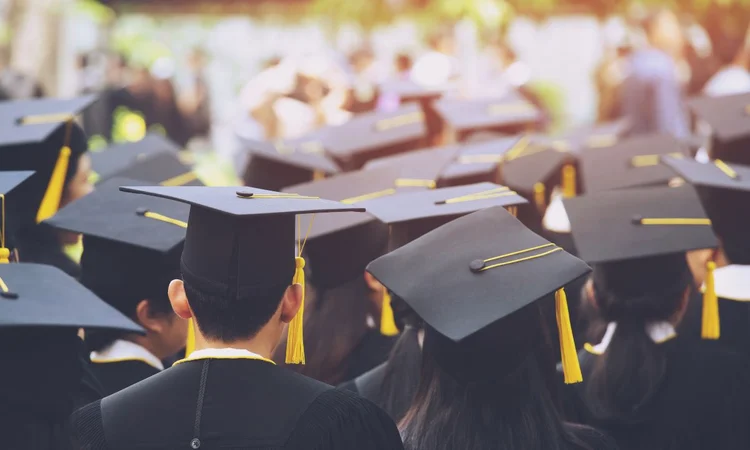
As the world evolves at a rapid pace, the perspective of student-centered learning has taken a new turn. The 21st century skills needed are different & fresh which help garner a positive image of the employees within the organization. For that, the learning must change as per latest industrial skills needed, not the conventional type which persists. As the globe becomes one big family, so does the learning perspective too. Institutions have already started adopting newer ways & methods to teach students.
The Shift from Traditional Learning to Student-Centered Learning
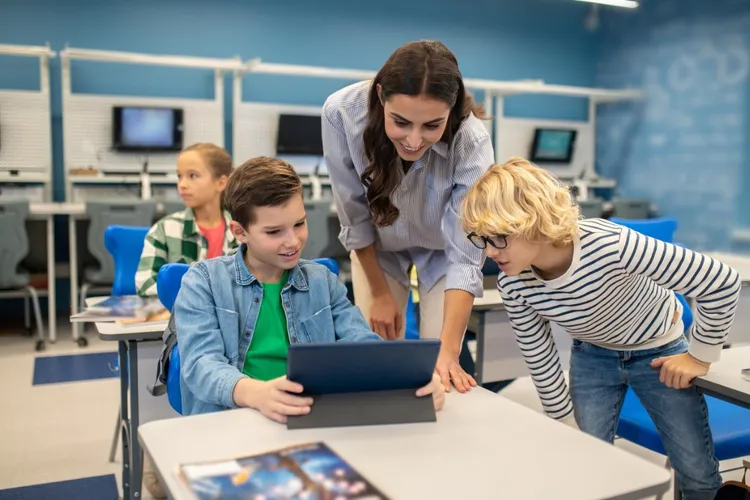
For decades, traditional education systems have followed a rigid structure where students passively absorb information from instructors. While this approach builds foundational knowledge, it often lacks the flexibility needed to develop real-world skills. Personalized learning, on the other hand, shifts the focus to the learner, encouraging active participation, self-directed learning, and hands-on experience.
By placing students at the heart of the learning process, universities equip them with the ability to think critically, communicate effectively, and tackle complex challenges—traits essential for navigating the modern job market.
Building Problem-Solving and Critical Thinking Skills

Employers across industries increasingly demand professionals who can analyze situations, develop innovative solutions, and make data-driven decisions. Student-centered learning fosters these skills by moving away from rote memorization and encouraging case studies, group projects, and real-world applications. When students are given opportunities to work on industry-related problems, they develop a deeper understanding of the subject matter and cultivate an analytical mindset.
For instance, business schools implementing active learning often use simulations where students take on executive roles and make strategic decisions based on market trends. This experiential learning model helps graduates become workplace-ready, with the ability to assess challenges critically and propose viable solutions.
Encouraging Adaptability in a Changing Job Market
The job market is in a constant state of flux, with automation, artificial intelligence, and globalization redefining workforce needs. Employers now seek candidates who can adapt to change and acquire new skills efficiently. Student-centered learning encourages adaptability by promoting continuous learning and exploration.
Rather than following a one-size-fits-all curriculum, personalized learning allows students to explore subjects of interest, develop cross-disciplinary expertise, and engage with emerging technologies. This exposure ensures that graduates are not only prepared for existing roles but are also equipped to pivot into new opportunities as industries evolve.
Enhancing Collaboration and Leadership Skills
Workplace success is no longer just about individual expertise—it heavily relies on teamwork, communication, and leadership. Student-centered learning incorporates peer collaboration, group projects, and interactive discussions, fostering teamwork and leadership development.
By working in diverse teams, students learn to manage conflicts, delegate responsibilities, and appreciate different perspectives. These experiences mirror real-world workplace dynamics, making graduates more competent in handling professional interactions and leadership roles.
Bridging the Gap Between Academia and Industry
One of the most significant advantages of active learning is its ability to align academic training with industry demands. Universities adopting this approach often partner with businesses to offer internships, mentorship programs, and real-world project collaborations. These partnerships provide students with hands-on experience, exposure to industry challenges, and networking opportunities—giving them a competitive edge in the job market.
Companies benefit as well, as they gain access to graduates who are not only academically proficient but also possess the practical skills needed to contribute immediately upon hiring.
The Role of EdTech in Advancing Student-Centered Learning

The rise of educational technology (EdTech) has further enhanced active learning, making it more accessible and efficient. Digital platforms, AI-driven learning tools, and virtual reality simulations allow students to personalize their learning experiences, engage with interactive content, and receive real-time feedback.
For example, AI-powered adaptive learning systems analyze students’ progress and adjust course materials accordingly, ensuring a customized and efficient learning process. This technological integration enhances skill development, preparing graduates for an increasingly digital workplace.
The Future Workforce Demands Student-Centered Learning
As industries evolve, so do the expectations from the workforce. The demand for professionals with strong problem-solving abilities, adaptability, collaboration skills, and real-world experience will only increase. Universities that embrace individualized instruction are not just enhancing academic success but are actively shaping future business leaders and innovators.
C-suite executives, startup entrepreneurs, and managers must recognize the importance of hiring individuals trained under active learning models. These graduates bring more than just knowledge—they bring a mindset of growth, adaptability, and readiness to tackle complex challenges.
By investing in education systems that prioritize student-centered learning, institutions and businesses alike can ensure a workforce that is prepared to lead, innovate, and thrive in an ever-changing global economy.
Preparing Graduates for a Globalized Economy
With globalization at its peak, professionals today are expected to operate across cultures, time zones, and economic structures. Student-centered learning helps students develop cross-cultural competencies by encouraging diverse perspectives, global collaborations, and remote team projects. Exposure to international case studies and opportunities to engage with global organizations prepare graduates to navigate the complexities of a globalized workforce.
Universities incorporating personalized learning often facilitate exchange programs, virtual internships, and global networking opportunities. These experiences not only broaden students' horizons but also help them understand economic and business trends in various regions, making them more versatile and valuable to multinational employers.
Soft Skills: The Differentiator in Competitive Job Markets
In competitive job markets, technical expertise alone is no longer sufficient. Soft skills such as emotional intelligence, negotiation, and time management play an equally important role in career success. Active learning emphasizes these skills through interactive discussions, leadership opportunities, and real-world problem-solving activities.
Graduates trained under this model enter the workforce with strong interpersonal skills, making them effective communicators, team players, and innovative thinkers. Whether it is pitching ideas to investors, collaborating on a startup, or leading a corporate team, these skills provide a significant edge in professional settings.
The Long-Term Impact of Student-Centered Learning

The benefits of student-centered learning extend beyond the immediate post-graduation job search. Graduates who have engaged in self-directed, experiential learning are more likely to embrace continuous professional development throughout their careers. This mindset aligns with the needs of modern employers who value lifelong learners capable of upskilling and adapting to industry disruptions.
Moreover, businesses that recognize the value of hiring individuals from active learning backgrounds benefit from a workforce that is proactive, innovative, and equipped to take initiative. As industries continue to transform, this approach ensures that graduates remain valuable assets throughout their careers.
Conclusion
Student-centered learning is not just a trend—it is a necessary evolution in education that aligns with the needs of the future workforce. By fostering problem-solving skills, adaptability, collaboration, and real-world experience, this approach ensures that graduates are prepared for success in an increasingly dynamic job market.
For business leaders, investing in graduates trained through active learning means gaining employees who are ready to contribute, innovate, and lead. As industries evolve, so must education systems, ensuring that personalized learning remains a cornerstone of workforce development for years to come.




Leave a Reply
Your email address will not be published.