


The bells no longer ring only through brick hallways. Today, learning happens with the tap of a trackpad, the ping of a notification, and the seamless stream of virtual content. Classrooms are no longer confined by walls, and education is no longer defined by geography. Welcome to the era of hybrid learning, where digital flexibility meets human connection, and where the future of education is being rewritten in real time.
The pandemic may have accelerated the transition, but the hybrid model is more than a stopgap. It’s a transformative shift in how we learn, teach, and imagine education. With students and professionals alike engaging in learning across multiple platforms and places, we’re seeing an evolution that goes beyond screens; it’s about access, agency, personalization, and measurable outcomes.
This article explores the rise of hybrid learning, its core benefits and challenges, real-world innovations, and why this model may just be the key to unlocking the most inclusive and effective education system yet.
What Is Hybrid Learning?
Hybrid learning is not just about putting content online. It's a blended educational model that combines face-to-face classroom experiences with digital instruction. Students can engage synchronously (live sessions) or asynchronously (pre-recorded content), depending on their schedules and learning styles.
Unlike traditional e-learning, which is often fully remote, hybrid learning retains the social fabric of education while injecting it with the power of technology. It’s about choice and flexibility; students can attend in person, join virtually, or mix the two throughout their academic journey.
The Rise of Hybrid Learning: Why Now?
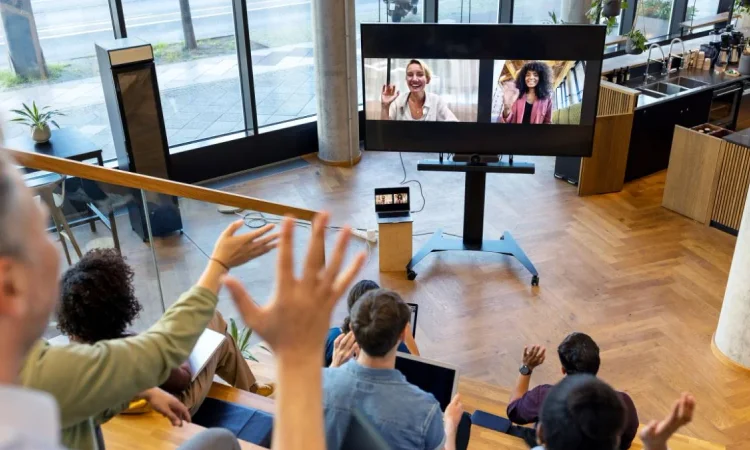
Though hybrid learning existed before 2020, the global pandemic was its major inflection point. Schools, universities, and companies were forced to pivot, and in that pivot, many discovered that learning could be more flexible, scalable, and personalized than ever before.
Post-pandemic, the demand hasn’t gone away. It's grown.
80% of university students now prefer a mix of in-person and online learning.
Corporate training teams report higher engagement and retention from hybrid workshops.
K–12 schools are embracing hybrid days to accommodate different learning needs and reduce burnout.
This isn’t just a trend, it’s a reimagining of what education can be when you break it free from one-size-fits-all structures.
Key Benefits of Hybrid Learning
Access Without Boundaries
Hybrid learning breaks down physical and financial barriers. Students in remote villages can access Ivy League lectures. Working parents can earn degrees from home. Corporate teams can learn from global experts without boarding a flight.
Personalized Pacing
In a hybrid setup, learners can revisit lessons, slow down, or accelerate based on their comfort level. It puts learners in control of their journey, a fundamental shift from the teacher-centered models of the past.
Active Engagement
Hybrid models often use interactive tools, polls, breakout rooms, discussion boards, and gamified quizzes to keep learners involved, not just present.
Better Retention
Studies show that blended learning improves knowledge retention by up to 60% compared to traditional methods. When students engage through multiple formats, they understand more and remember longer.
Time and Cost Efficiency
For institutions, hybrid models reduce overhead costs. For learners, they cut commute time, lower tuition in some cases, and make balancing life and learning more achievable.
Challenges on the Road to Hybrid Success
While the hybrid model holds massive promise, it’s not without hurdles. To make hybrid learning truly impactful, these challenges must be addressed:
Technology Gaps
Not every learner has access to high-speed internet or the latest devices. The digital divide remains one of the most pressing concerns in equitable hybrid learning.
Maintaining Human Connection
Too much screen time can lead to disengagement. Hybrid systems must preserve the sense of community, mentorship, and belonging that traditional education fosters.
Teacher Training
Not all educators are digital natives. Moving from chalkboards to digital dashboards requires retraining, support, and time to develop confidence and creativity in online pedagogy.
Assessment and Accountability
Testing and evaluation in hybrid environments are complex. Institutions need to balance flexibility with academic integrity, especially for high-stakes assessments.
What Hybrid Learning Looks Like in Practice

Let’s break down how hybrid learning is being applied across different levels:
K–12 Classrooms
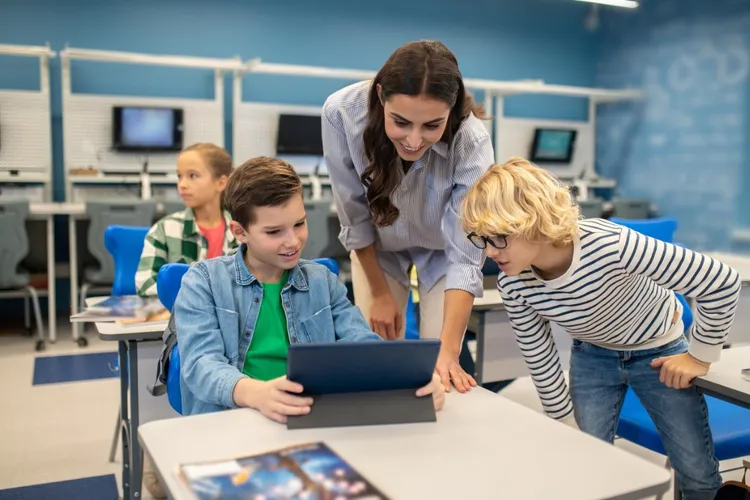
In schools, hybrid models often split students into groups, some attend in person while others join via video call. Platforms like Google Classroom and Seesaw help teachers assign work, track progress, and connect with parents.
Innovative Approach: Some schools now use “flipped classrooms,” where students watch lesson videos at home and use class time for discussion and problem-solving.
Higher Education
Universities are increasingly offering “HyFlex” courses, allowing students to choose whether to attend in person, online, or both throughout the semester.
Real Example: Arizona State University’s ASU Online offers over 300 degree programs where digital tools mirror the classroom experience, right down to virtual labs and peer collaborations.
Workplace Learning
In the corporate world, hybrid learning is replacing static PowerPoints and outdated LMS systems. Training is now modular, interactive, and remote-friendly.
Corporate Trend: Microlearning and hybrid onboarding have become the standard, especially in tech firms and global companies.
The Role of EdTech in Shaping the Future
Technology is the backbone of hybrid learning, and innovation in this space is moving fast.
From AI-powered tutoring tools to virtual reality classrooms and gamified learning apps, EdTech is bridging the gap between digital convenience and human engagement.
Some noteworthy tools include:
Kahoot! for gamified quizzes
Nearpod for interactive lessons
Miro and Padlet for collaborative thinking
Zoom, MS Teams, and Google Meet for synchronous classes
Coursera, Udemy, and LinkedIn Learning for self-paced, industry-level skill development
As AI evolves, we’ll soon see personalized curriculum pathways, real-time emotion tracking, and adaptive feedback systems that make hybrid education even more intelligent.
Making Hybrid Learning Human Again
To ensure that hybrid learning doesn’t feel cold or impersonal, the human element must remain central:
Teachers as Facilitators: Educators in hybrid models must shift from content deliverers to facilitators of discovery.
Building Digital Community: Online discussion boards, peer review, and virtual clubs help create a sense of belonging.
Mental Health Support: As learning environments blur with living spaces, mental wellness must be woven into the educational design.
Hybrid learning isn’t about replacing teachers; it’s about amplifying their impact.
Future-Forward: What’s Next for Hybrid Education?
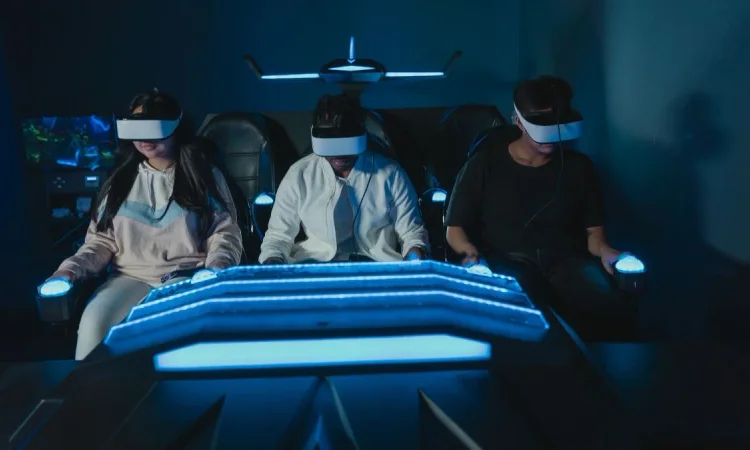
Hybrid learning is still evolving, and its next chapter is filled with exciting possibilities:
XR (Extended Reality) Classrooms: Imagine studying marine biology by diving into a virtual reef or learning history while walking through an ancient Roman forum.
AI Mentors: Intelligent virtual assistants will help answer questions, recommend learning paths, and provide real-time feedback.
Global Collaboration: Students from Kenya, India, Brazil, and France can co-create projects in real-time, building global citizenship along with academic knowledge.
Conclusion: The Classrooms of Tomorrow Begin Today
Hybrid learning is not a temporary fix; it’s a bold new framework for how we approach education in a connected, fast-changing world.
It offers the best of both worlds: the warmth and depth of in-person connection, and the flexibility, personalization, and scale of digital innovation. But to truly unlock its potential, institutions, educators, and learners must approach hybrid learning with intention, creativity, and heart.
Digital classrooms can lead to real outcomes if we design them not just for efficiency, but for human flourishing.
The blackboard may be going digital, but the soul of learning remains timeless: curiosity, connection, and the courage to grow.






Leave a Reply
Your email address will not be published.