

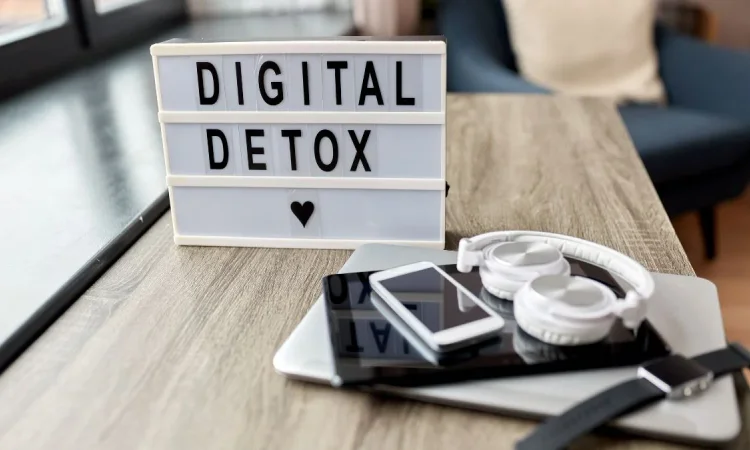
Living in a Hyperconnected World
We live in an age where the digital world is always just a tap, click, or swipe away. From the moment we wake up to the time we fall asleep, screens dominate our environment. Smartphones, laptops, smartwatches, and constant notifications keep our attention fragmented. While technology has revolutionized communication, productivity, and entertainment, it has also created an environment of constant distraction.
As our attention spans shrink and digital fatigue rises, more people are turning to the concept of a digital detox, a conscious break from digital devices to reconnect with the present moment. But what exactly is a digital detox, and why do we need it now more than ever? In this blog, we’ll explore the dangers of digital overload, the science of focus, and practical steps you can take to reclaim your attention in a distracted world.
What is a Digital Detox?
A digital detox is a period of time during which a person voluntarily refrains from using digital devices like smartphones, computers, tablets, or social media platforms. The goal is to reduce stress, improve mental clarity, enhance productivity, and restore a healthier balance between the online and offline world.
This doesn’t necessarily mean giving up technology forever. It’s about intentional and mindful use, breaking the cycle of compulsive digital consumption and learning how to use technology as a tool rather than a trap.
The Problem: Digital Overload and Its Consequences

1. Shortened Attention Spans
A Microsoft study revealed that the average human attention span dropped from 12 seconds in 2000 to just 8 seconds in recent years, shorter than that of a goldfish. Constant notifications and app-switching train the brain to seek novelty rather than focus.
2. Mental Health Issues
Excessive screen time, especially on social media, has been linked to anxiety, depression, sleep disturbances, and low self-esteem. The need to always be "on" or respond instantly adds to digital burnout.
3. Reduced Productivity
While we think multitasking helps us get more done, research shows it reduces productivity by up to 40%. Every time you check your phone or glance at an email, your brain needs time to refocus, known as "attention residue."
4. Poor Sleep Quality
Blue light from screens disrupts melatonin production, leading to insomnia or poor sleep. Many people scroll through their phones before bed, unknowingly sabotaging their rest.
5. Loss of Real-Life Connections
Digital interactions can’t fully replace face-to-face conversations. Overuse of devices often means less quality time with loved ones, contributing to loneliness and emotional disconnection.
Why Reclaiming Focus Matters
Your ability to focus is one of the most important cognitive skills in today's world. Focus allows you to:
Do meaningful, deep work
Think creatively and solve problems
Build stronger relationships
Maintain mental and emotional well-being
By reclaiming your focus, you gain back the time and energy that mindless scrolling or digital distractions quietly steal from you every day.
The Science Behind Distraction
Our brains are not wired for constant stimulation. Dopamine, the "feel-good" neurotransmitter, is released every time we get a like, notification, or new message. This reward loop creates digital addiction, making it hard to break free.
Every ping triggers a small dopamine spike, encouraging us to keep checking our devices. Over time, this trains the brain to crave frequent stimulation, making it harder to engage in deep work or stay present in real-world interactions.
Signs You Need a Digital Detox
Not sure if you need a digital detox? Here are some common warning signs:
You reach for your phone first thing in the morning and last thing at night.
You feel anxious or restless without your phone.
You find it hard to concentrate without checking notifications.
You scroll through social media without realizing how much time has passed.
You sleep poorly or feel mentally drained despite not doing “hard” tasks.
You avoid social settings to spend time online.
If any of these sound familiar, it’s time to consider a detox.
Steps for a Successful Digital Detox

A digital detox doesn’t have to be extreme or all-or-nothing. The key is consistency and intentionality. Here’s how to do it effectively:
1. Start with a Digital Audit
Before making any changes, evaluate how you currently use your devices:
How many hours per day are you on screens?
What apps do you use most?
What activities make you feel drained vs. fulfilled?
Apps like Moment, RescueTime, or built-in screen time trackers can help quantify your usage and highlight problem areas.
2. Set Clear Intentions
Decide what you want from your detox. Is it more time for family? Better sleep? Increased focus for work? Having a purpose makes it easier to stay committed.
3. Create No-Tech Zones
Designate physical spaces where devices are not allowed, such as:
The bedroom (to improve sleep)
The dining table (to enhance connection)
Your workspace (during focused work hours)
This helps build boundaries between digital and real life.
4. Schedule Tech-Free Times
Start small. For example:
No screens for 30 minutes after waking up
No social media after 8 p.m.
One tech-free Sunday per month
These “micro-detoxes” reduce dependency and create healthier routines.
5. Use Technology to Fight Technology
Ironically, you can use certain apps to support your detox goals:
Focus apps like Forest, Freedom, or Cold Turkey block distracting sites.
Mindfulness apps like Headspace or Insight Timer encourage reflection.
Email batching tools help you avoid constant inbox checking.
6. Turn Off Non-Essential Notifications
Each ping disrupts your focus. Disable notifications from apps that aren’t urgent. Better yet, turn on “Do Not Disturb” during focus or rest hours.
7. Replace, Don’t Just Remove
Detox isn’t about deprivation, it’s about redirection. Replace screen time with activities that bring you joy:
Reading a physical book
Going for a walk
Cooking or journaling
Connecting with loved ones
Create a fulfilling offline life so you’re not constantly drawn back online.
8. Set Social Media Limits
If total removal feels too hard, limit time on distracting platforms:
Use built-in limits (like Instagram’s daily reminder)
Unfollow accounts that don’t add value
Log out after each session to resist impulse visits
9. Get Support and Accountability
Tell friends or family about your detox. Doing it together builds motivation and accountability. Share your challenges and wins to stay on track.
10. Reflect on the Process
After your detox period, whether a weekend or a week, journal what you observed:
How did you feel physically and mentally?
What did you accomplish with the extra time?
What habits do you want to continue?
This self-awareness helps integrate lasting change.
Real-Life Example: The 30-Day Social Media Break

Many productivity experts, like Cal Newport (author of Digital Minimalism), advocate for 30-day social media breaks. During this time, users delete apps, avoid scrolling, and reconnect with offline hobbies.
After 30 days, most report:
Better sleep
Improved concentration
Lower anxiety
Greater creativity
Stronger real-life relationships
The key is not quitting forever, but rebuilding a healthier relationship with tech.
Creating a Long-Term Digital Wellness Plan
Digital detox isn’t a one-time fix, it’s a lifestyle shift. Use these guiding principles to maintain balance:
Be intentional with screen time – Ask, “Is this helping me or hurting me?”
Create before you consume – Start your day with your own goals, not others’ content.
Prioritize human connection – Make in-person interactions a non-negotiable.
Engage in analog hobbies – Painting, running, journaling, anything screen-free.
Revisit your digital boundaries regularly – Adjust as your needs evolve.
Final Thoughts: The Power of Disconnecting to Reconnect
In a world designed to capture your attention, choosing to disconnect is a revolutionary act. It’s not about rejecting technology, it’s about reclaiming your time, energy, and focus.
A digital detox helps you rediscover what truly matters: real conversations, uninterrupted creativity, deeper rest, and greater presence in your everyday life. When you clear the noise, what’s left is clarity, and from that place, you can lead a more mindful, balanced, and fulfilling existence.
So put down the phone. Look up. Breathe. You have everything to gain.









Leave a Reply
Your email address will not be published.