


In a society driven by productivity, speed, and constant stimulation, the idea of slowing down can feel almost radical. The fast-paced rhythm of modern life has become so normalized that many of us equate slowing down with laziness, inefficiency, or failure. Yet, paradoxically, the art of slowing down may be the very key to finding inner peace, clarity, and a more fulfilling life.
Whether you're a high-achieving professional, a busy parent, or simply someone trying to keep up with the demands of daily life, understanding the importance of slowing down and knowing how to do it can radically transform your well-being. This blog explores the concept of slowing down, why it’s essential, and practical ways you can integrate this powerful art into your everyday life.
Why Are We Always in a Hurry?
Before diving into the solution, it’s worth examining the problem. Why do we feel such an urgency to rush through life?
1. Cultural Conditioning
We live in a "go-go-go" culture that values hustle over harmony. From an early age, we’re taught that achievement, speed, and busyness are synonymous with success. Slow, in contrast, is often equated with unproductivity or laziness.
2. Technology and Instant Gratification
The digital era has made everything available at the tap of a finger. While this has led to significant advancements, it’s also shortened our attention spans and created unrealistic expectations for how quickly things should happen.
3. Fear of Missing Out (FOMO)
Social media constantly reminds us of what others are doing, buying, or achieving. This fear of falling behind can drive us to keep moving at a relentless pace.
4. Work Culture and Burnout
For many, long hours and back-to-back meetings are badges of honor. In an “always-on” work environment, taking time to rest or slow down is often seen as a weakness rather than a strength.
The Hidden Costs of a Fast-Paced Life

Living in constant motion might help us tick off to-do lists, but it comes with a cost.
Mental Health Struggles: Anxiety, depression, and chronic stress have all been linked to overwork and lack of downtime. The mind needs moments of stillness to reset and heal.
Physical Health Issues: From heart disease to sleep disorders, the body suffers when we don’t give it time to rest. Stress hormones wreak havoc when activated for prolonged periods.
Shallow Relationships: Speed affects our ability to be present with others. We listen less, connect less, and create fewer meaningful memories when we’re always thinking about the next thing.
Loss of Purpose: Ironically, the faster we go, the easier it is to lose sight of where we’re going. In the chaos of constant motion, we can forget what truly matters.
The Science Behind Slowing Down
Neurologists and psychologists alike support the notion that intentional rest and mindfulness can improve our cognitive function and emotional well-being.
The Default Mode Network (DMN): When we rest or engage in low-effort activities, this network in the brain becomes active. It’s during this time that we process information, form memories, and make sense of our lives.
Neuroplasticity: Practicing mindfulness and slowing down can rewire our brains for greater resilience, compassion, and creativity.
Parasympathetic Nervous System Activation: Slowing down activates our relaxation response, helping the body repair and recover.
The Philosophy of Slow Living
Slow living is not about doing everything at a snail's pace. Rather, it's a lifestyle that encourages you to be intentional, mindful, and present. It asks the question: What if we measured our lives not by how fast we go, but by how deeply we live?
Inspired by movements like “slow food,” “minimalism,” and “digital detoxing,” the philosophy of slow living advocates for quality over quantity, depth over speed, and presence over productivity.
Practical Ways to Embrace the Art of Slowing Down

1. Start with Awareness
The first step to slowing down is realizing how fast you’re going. Take inventory of your day:
Do you rush through meals?
Do you multitask excessively?
Is your calendar overflowing?
Awareness is the gateway to change.
2. Embrace Mindfulness
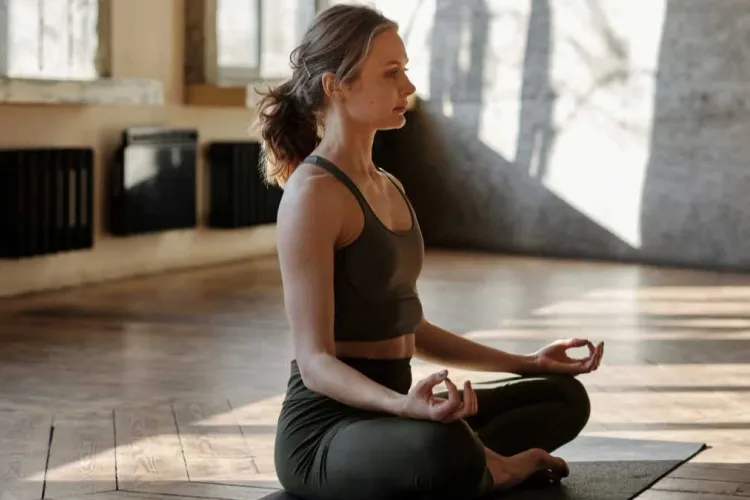
Mindfulness is the practice of being fully present in the moment, without judgment. It doesn’t require you to sit cross-legged on a mountaintop; it can be as simple as:
Savoring your morning coffee without distractions
Taking a walk and noticing the colors of the sky
Pausing to take deep breaths before starting a new task
3. Prioritize What Matters
Busyness is often a byproduct of trying to do too much. Simplify your schedule by focusing on what’s truly important. Learn to say “no” to things that drain your energy or don’t align with your values.
4. Practice Digital Minimalism
Turn off non-essential notifications. Schedule phone-free hours. Engage more in the real world than the digital one. The less noise we consume, the more clarity we gain.
5. Create Daily Rituals
Rituals create rhythm and calm. Consider implementing:
A slow morning routine (tea, journaling, reading)
Evening wind-down practices (stretching, gratitude, quiet music)
Weekend nature walks or creative pursuits
6. Connect Deeply with Others
Slow down your conversations. Listen more. Ask open-ended questions. Deep connections are forged not in the rush, but in shared silence and authentic presence.
7. Redefine Success
Challenge the belief that success is synonymous with speed and busyness. Instead, define it as:
Having time for what you love
Feeling peaceful at the end of the day
Nurturing meaningful relationships
Slowing Down at Work (Without Falling Behind)
Many fear that slowing down at work will harm their careers. But research shows that mindful workers are more focused, productive, and creative. Here’s how to slow down professionally:
Take intentional breaks: Use the Pomodoro technique or simply step away from your screen every hour.
Prioritize deep work: Focus on one high-impact task at a time instead of juggling ten.
Communicate boundaries: Let your team know your focused work hours. Turn off Slack and email alerts during those times.
Be present in meetings: Don’t multitask. You’ll retain more and contribute better.
A Real-Life Example: The Slow Success Story
Take, for instance, Arianna Huffington, founder of The Huffington Post. After collapsing from exhaustion, she became an outspoken advocate for slowing down. Her company, Thrive Global, now champions well-being over hustle, showing that slowing down isn’t the antithesis of success; it’s often the path to it.
The Beauty of Doing Nothing

In Italy, there’s a concept called “Dolce far niente”, the sweetness of doing nothing. It’s not idleness. It’s intentional rest, allowing life to unfold without interference. Similarly, the Danish concept of “hygge” and the Japanese practice of “forest bathing” embrace slow, intentional, and peaceful living.
We don’t always need to do something to prove our worth. Sometimes, just being is enough.
The Ripple Effect of Slowing Down
When you slow down, you don’t just benefit yourself; you influence those around you. Your calm becomes contagious. You model a new way of being that says, “It’s okay to breathe. It’s okay to pause. It’s okay to choose peace.”
In families, this creates better emotional connections. In teams, it fosters collaboration. In communities, it builds resilience.
Final Thoughts: Slow is a Superpower
Slowing down is not a sign of weakness. It’s a radical act of self-awareness, self-love, and resistance in a world that glorifies overextension. It’s about choosing presence over pressure and meaning over motion.
So the next time you feel the rush, pause. Breathe. Notice. Ask yourself, “What’s the rush?” Because often, in slowing down, we finally arrive, not just at our destination, but at ourselves.







Leave a Reply
Your email address will not be published.