

Education at the Threshold of a New Learning Era
Education has always reflected the needs and technologies of its time. By 2026, learning has entered one of its most transformative phases in history. Traditional classroom-centered models are no longer sufficient for a fast-changing, digital-first world. Learners now demand flexibility, personalization, and real-world relevance, while institutions seek scalable and inclusive solutions.
Artificial intelligence tutors, micro-learning models, and virtual reality classrooms are redefining how knowledge is delivered and absorbed. Education in 2026 is no longer confined by location, age, or rigid schedules. It has become adaptive, immersive, and deeply learner-centric.
From One-Size-Fits-All to Personalized Learning Journeys
For decades, education followed standardized curricula designed to serve large groups uniformly. In 2026, this approach has given way to personalized learning journeys. Technology enables instruction to adapt to individual learning styles, pace, and goals.
Students no longer move through content at the same speed. Learning pathways adjust dynamically based on comprehension and engagement. This personalization improves outcomes by meeting learners where they are rather than forcing them into rigid structures.
AI Tutors Become Always-On Learning Companions
AI tutors have emerged as one of the most impactful innovations in education. In 2026, these intelligent systems act as personalized learning companions available at any time. AI tutors analyze learner behavior, identify knowledge gaps, and deliver targeted support instantly.
Unlike traditional tutoring, AI tutors scale effortlessly. They provide consistent guidance, explanations, and feedback without fatigue. Learners benefit from immediate assistance, reducing frustration and improving retention. AI tutors democratize access to high-quality support once limited to privileged settings.
Adaptive Intelligence Enhances Understanding
AI tutors do more than answer questions. In 2026, they adapt teaching strategies in real time. If a learner struggles with a concept, the AI changes its approach, offering alternative explanations, examples, or exercises.
This adaptive intelligence mirrors the responsiveness of an expert human tutor. Learning becomes more intuitive and less intimidating. AI tutors transform mistakes into opportunities for growth rather than sources of discouragement.
Teachers Evolve Into Learning Architects
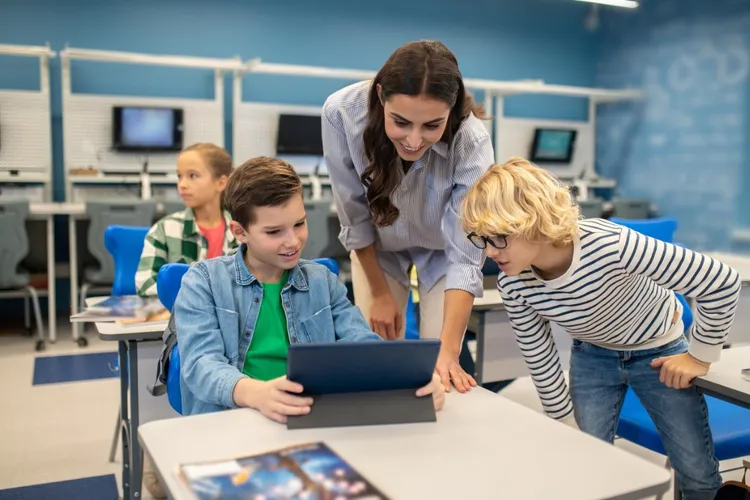
The rise of AI tutors does not replace teachers. Instead, it reshapes their role. In 2026, educators act as learning architects, mentors, and facilitators rather than sole knowledge providers.
Teachers focus on critical thinking, creativity, collaboration, and emotional development. AI handles repetitive instruction and assessment, freeing educators to engage more deeply with students. Technology enhances teaching rather than diminishing its human value.
Micro-Learning Fits Education Into Modern Life
Modern learners balance education with work, family, and personal commitments. In 2026, micro-learning has become a dominant educational model. Learning content is delivered in short, focused segments designed for quick consumption and high retention.
Micro-learning fits seamlessly into daily routines. Learners can acquire new skills in minutes rather than hours. This approach supports continuous learning and rapid upskilling in a fast-changing job market.
Knowledge Delivered at the Moment of Need
Micro-learning excels by delivering knowledge when it is most relevant. In 2026, learners access concise lessons precisely when they need them, whether to solve a problem, learn a tool, or prepare for a task.
This just-in-time approach improves practical application and reduces cognitive overload. Learning becomes purposeful and efficient. Education shifts from the accumulation of information to targeted skill acquisition.
Corporate and Professional Learning Embrace Micro-Formats

Workplace education has been transformed by micro-learning. In 2026, companies rely on short, modular training to keep employees up to date. Skills development becomes continuous rather than episodic.
Micro-learning supports rapid adaptation to new technologies and processes. Employees stay competitive without lengthy training disruptions. Education aligns more closely with real-world demands and business agility.
Virtual Reality Classrooms Redefine Immersion
Virtual reality has moved from novelty to necessity in education. In 2026, VR classrooms offer immersive learning environments that transcend physical limitations. Students explore complex concepts through experience rather than abstraction.
VR enables learners to step inside historical events, scientific simulations, and professional scenarios. This immersion enhances understanding and memory. Learning becomes experiential rather than passive.
Learning by Doing in Virtual Worlds
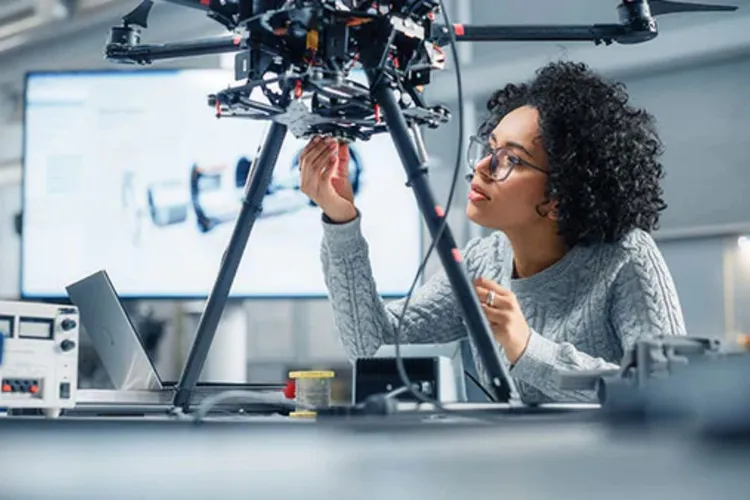
VR classrooms emphasize active participation. In 2026, students practice skills in realistic simulations, from medical procedures to engineering tasks. Mistakes become safe learning opportunities rather than costly errors.
This hands-on approach builds confidence and competence. VR transforms education into a rehearsal space for real life. Learners gain practical experience before entering professional environments.
Global Classrooms Without Borders
Virtual reality also removes geographical barriers. In 2026, students from around the world share virtual classrooms, collaborating in real time. Education becomes global and inclusive.
Cultural exchange and diverse perspectives enrich learning experiences. VR classrooms foster collaboration across borders, preparing learners for a connected world. Education evolves into a shared global endeavor.
Engagement and Motivation Reach New Levels
One of the greatest challenges in education has always been engagement. In 2026, immersive and personalized technologies dramatically improve learner motivation. AI tutors provide encouragement, micro-learning offers quick wins, and VR classrooms spark curiosity.
Engaged learners are more likely to persist and succeed. Education shifts from obligation to exploration. Motivation becomes intrinsic rather than enforced.
Assessment Becomes Continuous and Intelligent
Assessment has evolved alongside learning models. In 2026, AI-driven assessment systems evaluate progress continuously rather than relying solely on exams. Feedback is immediate, specific, and constructive.
This approach reduces test anxiety and provides a more accurate picture of learning. Assessment becomes a tool for growth rather than judgment. Learners understand where they stand and how to improve.
Credentialing Adapts to Modular Learning
Traditional degrees are no longer the sole measure of competence. In 2026, modular credentials and digital certifications gain recognition. Micro-learning modules contribute to stackable credentials aligned with real-world skills.
This flexibility allows learners to build portfolios over time. Education becomes lifelong and adaptable. Credentials reflect capability rather than time spent in classrooms.
Equity and Access Improve Through Technology
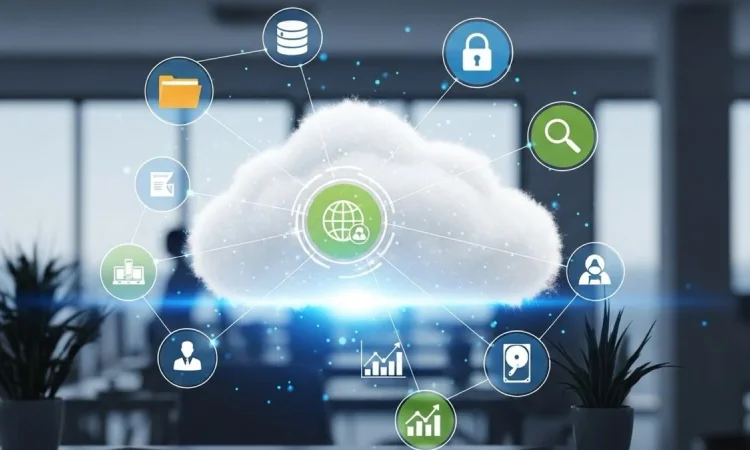
Technology-driven education has the potential to reduce inequality. In 2026, AI tutors and digital platforms expand access to quality learning for underserved communities.
Remote learning options reach students regardless of location. While challenges remain, technology creates opportunities to close educational gaps rather than widen them. Equity becomes a design goal rather than an afterthought.
Challenges in the Digital Learning Landscape
Despite progress, education in 2026 faces challenges. Digital access, data privacy, and screen fatigue require careful management. Not all learners adapt equally to technology-driven models.
Educational leaders must balance innovation with inclusion. Human support, thoughtful design, and ethical use of AI remain essential. Technology must serve learning, not dominate it.
Data Privacy and Ethical AI in Education
As AI tutors collect learning data, privacy becomes critical. In 2026, ethical frameworks guide how data is used and protected. Transparency builds trust among learners, parents, and educators.
Responsible AI ensures fairness and avoids bias. Ethical considerations shape the future of education technology, ensuring that innovation benefits all learners.
Lifelong Learning Becomes the New Norm
The pace of change in the global economy demands continuous learning. In 2026, education is no longer confined to childhood or early adulthood. Lifelong learning becomes essential for career resilience.
AI tutors, micro-learning, and VR classrooms support learning at every life stage. Education becomes a continuous companion rather than a temporary phase.
Institutions Redefine Their Value Proposition
Schools and universities are redefining their role in a digital learning ecosystem. In 2026, institutions focus on community, mentorship, and credibility rather than content delivery alone.
They curate learning experiences, foster collaboration, and validate achievement. Institutions evolve from content providers to learning hubs.
Measuring Success Beyond Test Scores
Educational success in 2026 is measured by more than grades. Engagement, skill mastery, adaptability, and well-being play central roles.
Data-driven insights provide a holistic view of learning outcomes. Education aligns more closely with personal and professional fulfillment.
Preparing Learners for an Uncertain Future
The future workforce demands creativity, critical thinking, and adaptability. In 2026, education focuses on developing these capabilities alongside technical skills.
AI tutors support foundational knowledge, micro-learning accelerates skill acquisition, and VR classrooms build experiential understanding. Together, they prepare learners for complexity and change.
A More Human-Centered Education System
Despite technological advancement, education in 2026 is fundamentally human-centered. Technology enhances empathy, understanding, and connection when applied thoughtfully.
AI and VR free educators to focus on mentorship and inspiration. Learning environments become more responsive and supportive.
Education Designed for the Real World
Education in 2026 aligns more closely with real-world needs. Learning is practical, contextual, and adaptive. Students acquire skills they can apply immediately.
This alignment increases relevance and motivation. Education becomes a bridge between knowledge and action.
The Classroom Without Walls
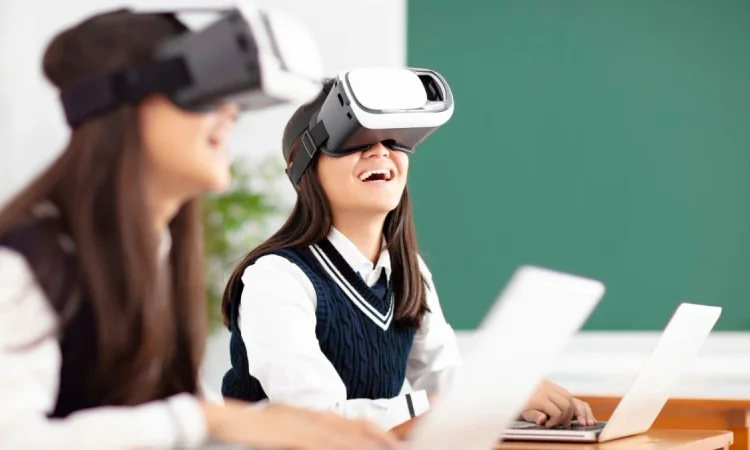
The concept of the classroom has expanded dramatically. In 2026, learning happens anywhere at home, at work, and in virtual spaces. Physical boundaries no longer define education.
This flexibility supports diverse learning styles and lifestyles. Education adapts to learners rather than forcing conformity.
The Future of Learning Has Arrived
Education in 2026 represents a bold reimagining of how humans learn. AI tutors personalize support, micro-learning fits knowledge into daily life, and VR classrooms create immersive understanding.
Together, these innovations build an education system that is flexible, inclusive, and future-ready. Learning becomes a lifelong journey rather than a fixed destination.
Empowering Minds for the Next Generation
At its core, education in 2026 empowers minds. Technology expands access, personalization improves outcomes, and immersive experiences deepen understanding.
As education continues to evolve, its mission remains timeless: to unlock human potential. With AI tutors, micro-learning, and VR classrooms, the future of education is not only smarter—it is more engaging, equitable, and inspiring than ever before.






Leave a Reply
Your email address will not be published.