

Delivering a marine engineering project is no small feat. From the earliest conceptual blueprints to the moment a vessel or offshore structure touches the water, the journey requires rigorous planning, technical precision, collaboration across disciplines, and an unwavering commitment to safety and sustainability. Marine project delivery, whether in shipbuilding, offshore oil and gas platforms, port expansions, or renewable energy structures like offshore wind farms, is a complex undertaking that blends engineering innovation with logistical mastery.
In this article, we’ll explore best practices that can help ensure successful marine project delivery, reduce risks, control costs, and maintain timelines, ultimately ensuring projects move seamlessly from blueprint to dockside.
1. Early-Stage Planning and Feasibility Studies
Every successful marine project begins with a solid foundation, comprehensive planning. Early-stage planning involves feasibility studies that assess technical, financial, environmental, and regulatory considerations. Skipping or underestimating this stage often leads to costly delays later.
Key best practices in planning include:
Site Assessment: Evaluating seabed conditions, water depths, tidal ranges, and environmental sensitivities.
Risk Identification: Analyzing potential risks such as weather disruptions, supply chain constraints, or regulatory hurdles.
Stakeholder Involvement: Engaging clients, port authorities, regulators, and local communities early to align expectations.
Lifecycle Costing: Considering not just upfront costs but also long-term operational and maintenance expenses.
By investing time in rigorous feasibility studies, project managers can minimize scope creep and establish a clear roadmap.
2. Leveraging Digital Tools and Design Technologies
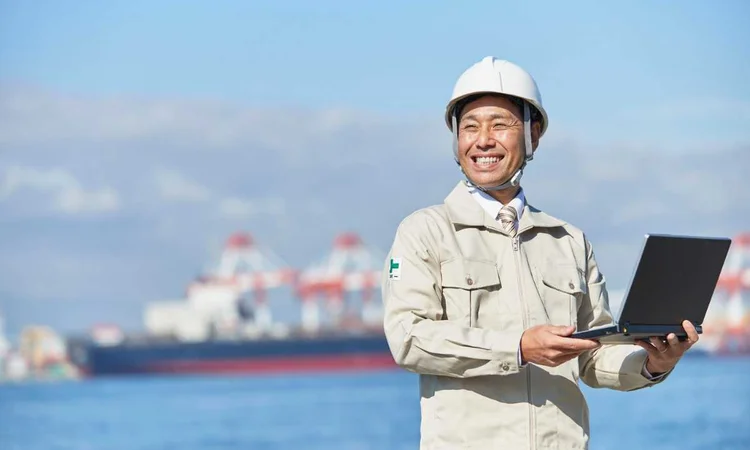
Marine engineering has been revolutionized by digitalization. Today, advanced tools such as Building Information Modeling (BIM), Digital Twins, and 3D CAD software allow engineers to simulate and optimize designs long before construction begins.
Best practices in design include:
Digital Twins: Creating a virtual replica of the vessel or structure to model performance under different conditions.
Simulation Software: Stress testing against wave action, wind loads, and structural fatigue.
Interdisciplinary Collaboration: Using centralized platforms where naval architects, civil engineers, and project managers work from a single source of truth.
Early Clash Detection: Identifying design conflicts before construction, saving time and reducing rework.
Digital tools don’t just streamline design; they also enhance communication and transparency across project teams.
3. Robust Project Management Frameworks
Marine projects often span years, involve multiple stakeholders, and require coordination across borders. A disciplined project management framework ensures timelines and budgets stay on track.
Best practices for project management include:
Clear Scope Definition: Establishing clear deliverables, responsibilities, and milestones.
Agile Adaptation: While the marine industry is traditionally linear, integrating agile principles helps adapt to unforeseen changes.
Risk Registers: Continuously updating and managing risks throughout the project lifecycle.
Regular Progress Audits: Transparent reporting and milestone tracking to identify bottlenecks early.
Integrated Supply Chain Management: Synchronizing procurement and logistics to prevent delays in critical components like engines, propellers, or offshore equipment.
Effective leadership and communication across all levels of the project are vital to keep the momentum steady.
4. Sustainability and Environmental Stewardship
Marine projects operate in delicate ecosystems. From coastal dredging to offshore energy structures, the potential environmental impact can be significant. Increasingly, regulators and stakeholders demand that projects adhere to strict environmental guidelines.
Best sustainability practices include:
Eco-Friendly Materials: Using low-carbon steel or composites with reduced environmental impact.
Green Shipbuilding Standards: Meeting IMO regulations on emissions, ballast water management, and fuel efficiency.
Waste Minimization: Implementing circular economy principles by recycling construction materials.
Marine Life Protection: Designing around sensitive habitats and reducing underwater noise during construction.
Sustainable practices not only reduce ecological footprints but also enhance the long-term value and reputation of marine projects.
5. Workforce Competence and Safety Culture
At the heart of every marine project are the people who design, construct, and deliver it. Highly skilled labor combined with a strong safety culture is essential in environments where heavy machinery, deep water, and unpredictable weather are everyday realities.
Best practices in workforce management include:
Training and Certification: Ensuring crews and engineers are qualified under global maritime standards.
Health & Safety Programs: Prioritizing accident prevention through strict safety protocols.
Cross-Disciplinary Expertise: Encouraging collaboration between civil engineers, naval architects, environmental scientists, and project managers.
Remote Monitoring: Using sensors and IoT devices to monitor worker safety in real time.
Projects that prioritize safety not only protect lives but also prevent costly work stoppages.
6. Supply Chain Resilience and Logistics

The marine industry relies heavily on global supply chains. Engines might come from Europe, steel from Asia, and specialized equipment from North America. Disruptions, whether from pandemics, geopolitical tensions, or natural disasters, can significantly impact delivery.
Best practices in logistics include:
Diversified Supplier Base: Avoiding over-reliance on a single supplier.
Early Procurement: Ordering long-lead items well in advance to prevent last-minute delays.
Just-In-Time vs. Just-In-Case: Balancing efficiency with buffer inventories for critical parts.
Port and Customs Planning: Coordinating import/export processes to minimize clearance delays.
Robust supply chain management ensures that the project moves seamlessly from yard to dock.
7. Integration of Renewable Energy and Future Technologies
The future of marine engineering lies in innovation. Offshore wind farms, hydrogen-powered vessels, and smart ports are shaping the industry. Successful project delivery today must anticipate tomorrow’s technologies.
Emerging best practices include:
Hybrid Propulsion Systems: Incorporating electric and hydrogen fuel solutions.
Smart Port Infrastructure: Using automation for faster vessel turnaround.
Offshore Renewable Energy Platforms: Designing floating wind and wave energy converters.
AI and Predictive Analytics: Using data to predict equipment failures and optimize performance.
By future-proofing projects, companies ensure long-term competitiveness and relevance.
8. Strong Collaboration and Communication
Marine projects are inherently collaborative, involving engineers, contractors, regulators, financiers, and end users. Miscommunication can derail even the most well-planned project.
Best practices in collaboration include:
Unified Communication Platforms: Using cloud-based systems for real-time updates.
Stakeholder Transparency: Keeping clients and regulators informed at every stage.
Cultural Sensitivity: Recognizing the global nature of marine projects and adapting communication styles.
Conflict Resolution Protocols: Establishing clear frameworks to resolve disputes quickly.
A culture of trust and open communication ensures smoother delivery and stronger partnerships.
9. Testing, Commissioning, and Handover
Before a vessel sails or a structure goes operational, rigorous testing and commissioning are critical. This stage validates design assumptions and ensures operational readiness.
Best practices for testing and handover include:
Sea Trials: Assessing vessel performance under real-world conditions.
Load Testing: Verifying offshore platforms against maximum operational stresses.
Regulatory Certification: Meeting classification society requirements.
Clear Documentation: Providing clients with comprehensive manuals, warranties, and maintenance guidelines.
A structured handover process builds client confidence and reduces post-delivery disputes.
10. Post-Delivery Support and Lifecycle Management
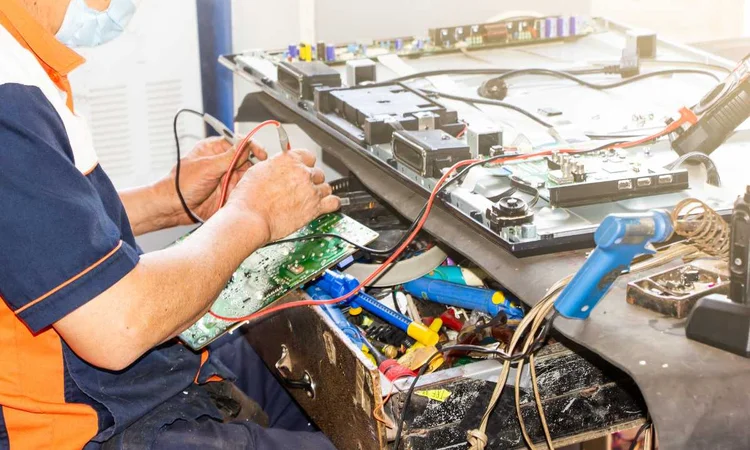
Project delivery doesn’t end at the dockside. Ongoing maintenance, support, and performance monitoring are essential to the lifecycle success of marine assets.
Best practices in post-delivery include:
Condition Monitoring: Using sensors and IoT for predictive maintenance.
After-Sales Service: Offering technical support and spare parts logistics.
Continuous Improvement: Collecting feedback to improve future projects.
Upgradability: Designing assets to accommodate future retrofits and regulatory changes.
Clients increasingly value lifecycle partnerships rather than one-off deliveries.
Conclusion
From blueprint to dockside, marine project delivery is a symphony of planning, technology, sustainability, safety, and collaboration. By embracing best practices, from early feasibility studies and digital design tools to robust supply chain management and post-delivery support, organizations can navigate the complexities of marine engineering with confidence.
As the industry shifts towards greener technologies and smarter infrastructure, the ability to deliver projects on time, within budget, and with environmental responsibility will define the leaders of tomorrow. The ocean may be unpredictable, but with the right strategies, marine projects can sail smoothly from concept to completion.










Leave a Reply
Your email address will not be published.