

In today’s hyperconnected economy, the demand for faster, cheaper, and greener deliveries is reshaping the logistics and e-commerce industry. At the heart of this transformation lies the “last mile”, the final leg of a product’s journey from warehouse to customer doorstep. While this stage accounts for less than 5% of the total supply chain, it consumes nearly 50% of overall logistics costs.
The paradox is clear: businesses must ensure speed and convenience without driving up expenses or harming the planet. This has created a global race to “crack the code” of last-mile delivery by optimizing costs, improving speed, and embedding sustainability.
This blog explores the evolving dynamics of last-mile logistics, its challenges, and the innovations shaping a more efficient and eco-friendly future.
The High Stakes of Last-Mile Delivery
Last-mile delivery is no longer just a logistical detail, it has become a decisive factor in customer satisfaction. According to industry surveys, 84% of customers say they would not return to a retailer after a poor delivery experience, while 66% expect free delivery and real-time tracking.
Yet, offering such premium service consistently is anything but simple. Businesses face multiple hurdles:
Rising Costs – Fuel prices, vehicle maintenance, and labor shortages have inflated last-mile expenses. With free shipping now expected, companies struggle to absorb these costs.
Speed vs. Accuracy – Customers want same-day or next-day delivery, but faster shipping often compromises accuracy, especially in high-density urban areas or remote rural regions.
Environmental Concerns – Traditional delivery fleets contribute significantly to urban congestion and carbon emissions. As sustainability becomes non-negotiable, companies are under pressure to decarbonize operations.
Cracking the Code: Cost Optimization Strategies
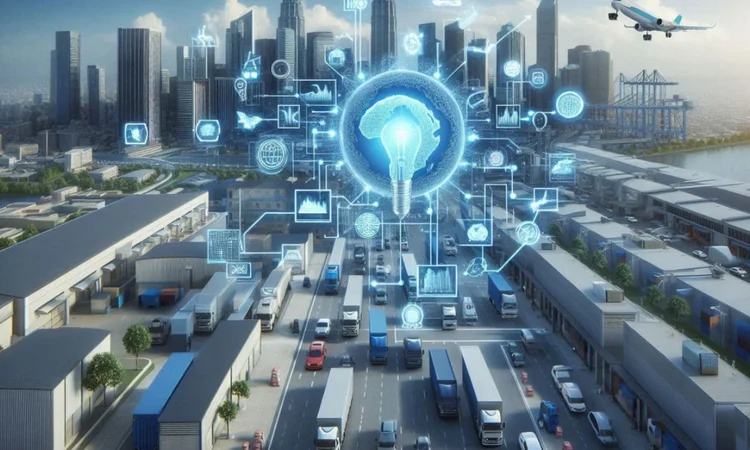
1. Route Optimization with AI
Advanced algorithms powered by AI and machine learning can analyze traffic, weather, and delivery schedules to create real-time dynamic routes. By reducing idle time and unnecessary miles, businesses cut fuel consumption and labor costs while ensuring faster deliveries.
2. Micro-Fulfillment Centers
Instead of shipping from a few centralized warehouses, companies are adopting decentralized storage hubs closer to customers. Micro-fulfillment reduces distance, enabling faster delivery and reducing costs per package.
3. Shared Economy Models
Gig economy platforms and crowdsourced delivery models allow businesses to scale flexibly without the burden of maintaining large in-house fleets. Think Uber-style drivers delivering packages during their free time.
4. Automation & Robotics
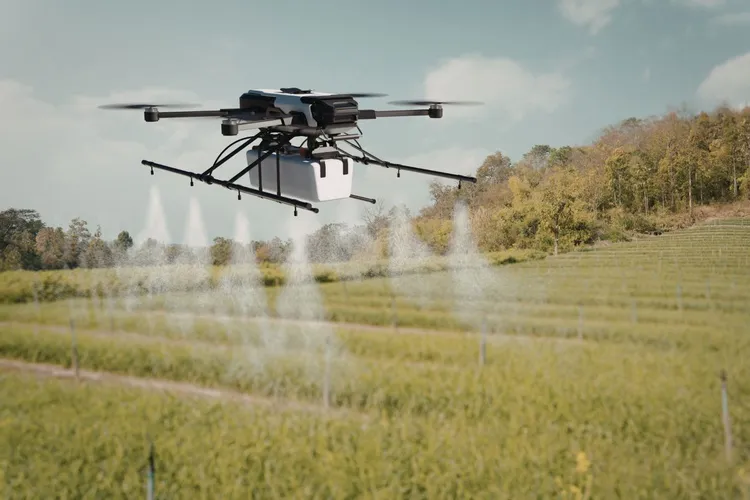
Automated sorting systems, drones, and autonomous vehicles not only reduce reliance on human labor but also streamline operations, minimizing errors and inefficiencies.
Accelerating Speed without Breaking the Bank
The holy grail of last-mile delivery is balancing cost with speed. Here’s how companies are achieving both:
Same-Day Delivery via Local Warehousing – Amazon’s local distribution hubs have set the gold standard, ensuring goods reach customers within hours.
Delivery Partnerships – Retailers partner with third-party logistics (3PL) providers like FedEx, Delhivery, and DHL to leverage existing networks instead of building their own.
Hybrid Fleet Models – Combining electric vehicles for urban short routes and conventional trucks for longer hauls ensures both speed and efficiency.
Sustainability in the Last Mile
Sustainability is not just a regulatory or branding requirement; it’s increasingly tied to profitability. Green logistics initiatives can significantly reduce costs in the long run while meeting customer expectations for responsible business practices.
1. Electrification of Fleets
Major logistics players like UPS and DHL are investing in electric delivery vans and bikes. These not only cut emissions but also reduce dependence on fossil fuels.
2. Eco-Packaging
Sustainable, recyclable, and even reusable packaging reduces environmental waste and enhances brand reputation.
3. Smart HVAC & Cold-Chain Integration
For temperature-sensitive deliveries like food or pharmaceuticals, smart HVAC systems ensure energy-efficient refrigeration, minimizing waste and costs.
4. Carbon-Neutral Commitments
Companies are experimenting with carbon-offset programs and circular logistics to create sustainable delivery ecosystems.
The Role of Technology

Technology remains the backbone of last-mile transformation. From real-time tracking apps that empower customers to predictive analytics that anticipate demand surges, digital tools are unlocking unprecedented efficiency.
IoT Sensors provide fleet managers with data on fuel usage, maintenance needs, and driver behavior.
Blockchain ensures transparency in supply chain transactions, reducing disputes and increasing accountability.
Digital Twins allow simulation of delivery networks, helping optimize processes before implementation.
Global Case Studies: Who’s Getting it Right?
Amazon – Its Prime Now service leverages micro-fulfillment, AI-driven logistics, and crowdsourced drivers to dominate last-mile efficiency.
Flipkart (India) – The e-commerce giant uses electric vehicles and strategic delivery hubs to handle India’s diverse geography.
DHL – A pioneer in green logistics, DHL has pledged carbon-neutral operations by 2050, deploying electric fleets across major cities.
Domino’s Pizza – By experimenting with delivery drones and autonomous vehicles, Domino’s is redefining fast-food delivery in urban areas.
Challenges That Remain
Despite advancements, businesses still grapple with:
Rural Connectivity – Sparse infrastructure and long travel distances make rural deliveries costly and slow.
Labor Shortages – Dependence on gig workers raises concerns about reliability and service quality.
Regulatory Barriers – Drone and autonomous vehicle deliveries are restricted in many regions due to safety concerns.
The Road Ahead: A Unified Vision

The future of last-mile delivery will not be about choosing between cost, speed, or sustainability, it will be about integrating all three seamlessly.
AI + Green Tech Synergy – Combining predictive AI with electric mobility will create cost-effective and eco-friendly solutions.
Urban Policy Collaboration – Governments and logistics firms must collaborate on smart city infrastructure like dedicated delivery lanes and EV charging stations.
Customer-Centric Innovation – Hyper-personalized delivery options (such as flexible time slots and package lockers) will drive loyalty.
Conclusion
Last-mile delivery is no longer a back-end challenge; it is the frontline of customer experience and a critical differentiator in competitive markets. Companies that master the balance between cost efficiency, delivery speed, and sustainability will set new benchmarks in logistics innovation.
The code to crack the last mile lies not in choosing one metric over another but in harmonizing technology, sustainability, and human ingenuity. The winners of this race will not only satisfy today’s customers but also build resilient, future-ready logistics ecosystems.








Leave a Reply
Your email address will not be published.