

A New Age of Packaging
In a world battling climate change, ocean pollution, and excessive plastic waste, the packaging industry finds itself at a turning point. While traditional packaging materials, like single-use plastics, polystyrene, and multilayered foils, have long dominated the shelves, they’re now being challenged by a new generation of environmentally conscious alternatives. This revolution is being led not just by established conglomerates but by bold, innovative startups that are disrupting the status quo.
These startups are introducing sustainable, scalable, and sometimes even edible solutions. From mushroom-based packaging to seaweed films and AI-powered waste analytics, 2025 is proving to be a landmark year for eco-forward entrepreneurs. In this blog, we spotlight the most exciting startups reshaping sustainable packaging and explain why they matter more than ever.
Why Sustainable Packaging Matters More Than Ever
The environmental toll of conventional packaging is staggering:
Over 300 million tons of plastic waste is produced annually.
Packaging accounts for nearly 40% of total plastic use.
Less than 9% of plastic waste is actually recycled, with the rest ending up in landfills, oceans, or incinerators.
Consumers are demanding change. Governments are legislating change. Retailers are enforcing change. And startups? They're building it. The following companies exemplify the shift toward packaging solutions that are not only biodegradable or reusable but also commercially viable and technologically advanced.
1. Notpla (UK) – Seaweed-Based Innovation
[Source - Notpla]
Packaging You Can Eat or Compost
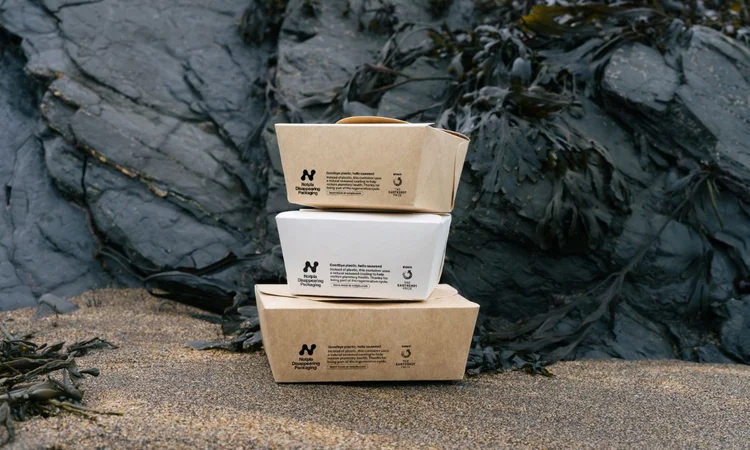
Notpla, short for “Not Plastic,” is one of the most talked-about sustainable packaging startups in the world. Based in the UK, this company makes packaging from seaweed and other natural materials. Their most famous product, Ooho, is a water pod that replaces plastic cups and bottles and can be eaten after use—or composted in 4-6 weeks.
In 2023, Notpla won the Earthshot Prize, a major global sustainability award. As of 2025, the company is expanding its range to include takeaway food boxes, sachets for condiments, and cosmetic packaging.
Why It’s Disruptive: Notpla eliminates the need for fossil-fuel-based plastics and contributes to marine restoration by harvesting fast-growing seaweed.
2. Cruz Foam (USA) – From Shrimp Shells to Shipping Boxes
[Source - Cruz Foam]
Biodegradable Foam Packaging from Nature
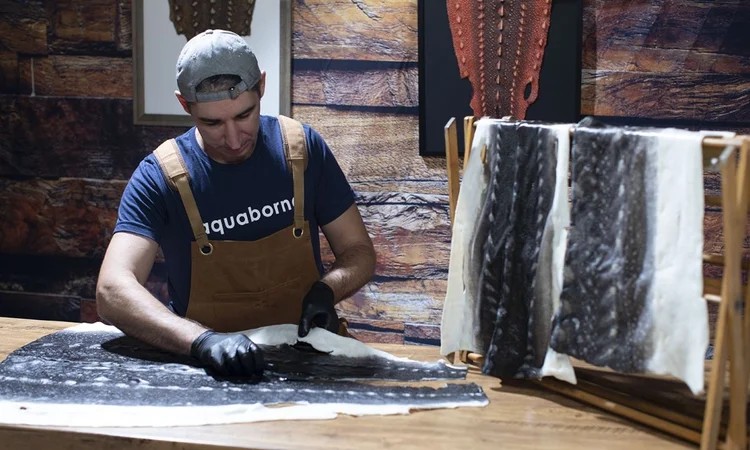
Santa Cruz-based Cruz Foam turns chitin (a material found in shrimp shells) into a biodegradable alternative to Styrofoam. This material is ideal for protecting electronics, furniture, and perishables during shipping.
Their packaging mimics the protective qualities of polystyrene without the 500-year environmental impact. It decomposes in under 60 days and enriches the soil in the process.
Why It’s Disruptive: Cruz Foam is working directly with Fortune 500 companies and replacing EPS (Expanded Polystyrene) at scale, a major breakthrough in B2B packaging.
3. Sway (USA) – Plastic Wrap Made from Seaweed
[Source - Sway]
Bioplastics Without the Plastic
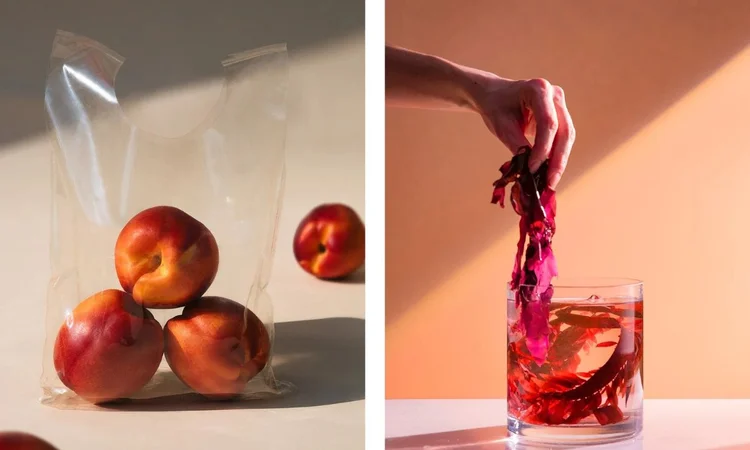
Another seaweed superstar, Sway, based in San Francisco, is replacing plastic film with its algae-based material. Their flexible wrap is compostable, non-toxic, and can be used for food storage, produce bags, and shipping.
In 2025, Sway is collaborating with major grocery chains to replace single-use produce bags with seaweed alternatives.
Why It’s Disruptive: The global demand for flexible plastic films is enormous. Sway offers a viable and scalable replacement, closing the loop with materials that regenerate ecosystems.
4. Loliware (USA) – The World’s First Edible Straw
[Source -Loliware]
Seaweed Again? Yes, But Tasty This Time.
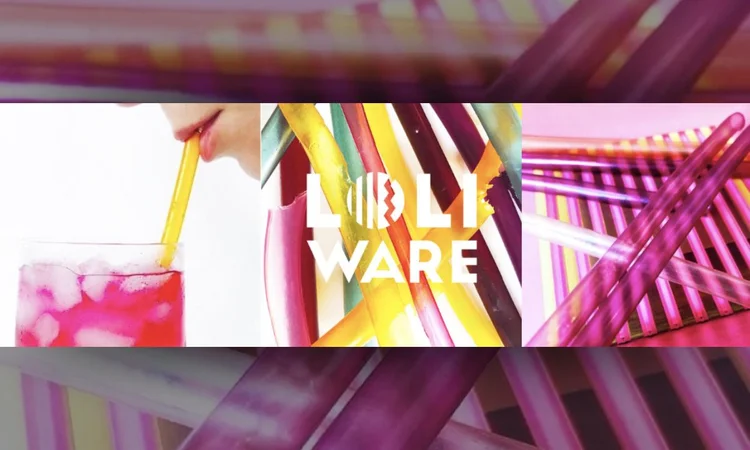
New York-based Loliware creates edible, biodegradable straws made from seaweed and designed to disappear after use. Unlike paper straws, which often get soggy and unpleasant, Loliware straws hold their shape and taste neutral.
In 2025, the company is expanding to edible utensils and cup lids. Major airlines and fast-food chains have signed pilot programs with Loliware to reduce their plastic footprint.
Why It’s Disruptive: Loliware redefines disposability. Instead of recycling or trashing the product, you consume it or compost it guilt-free.
5. Ecovative (USA) – Mycelium Grown Packaging
[Source - Ecovative]
Mushroom Magic at Work
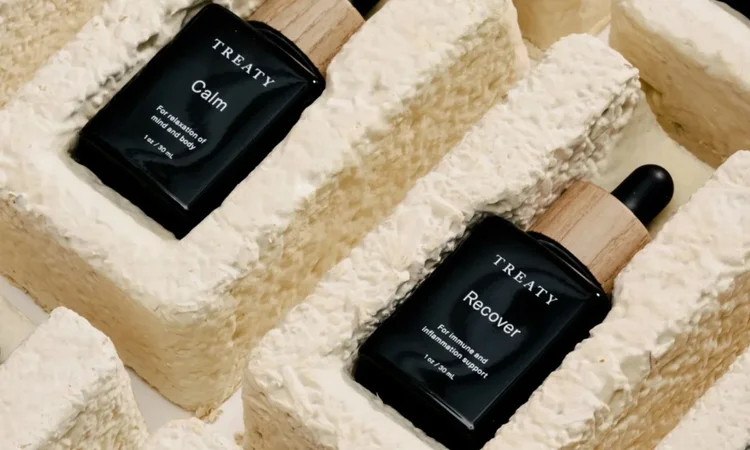
Ecovative grows packaging from mycelium, the root structure of mushrooms. This biodegradable packaging is custom-molded and used as protective cushioning for fragile items, especially in electronics and luxury goods.
They call it MycoComposite™, and it breaks down in soil within weeks. IKEA and Dell have both experimented with mushroom packaging, and Ecovative’s technology is now being licensed globally.
Why It’s Disruptive: Grown in just 7 days, mycelium packaging is naturally insulating, shock-absorbing, and completely home compostable.
6. FlexSea (UK) – Dissolvable Packaging for Everyday Use
[Source - Bioplastics News]
Inspired by the Ocean, Built for the Future
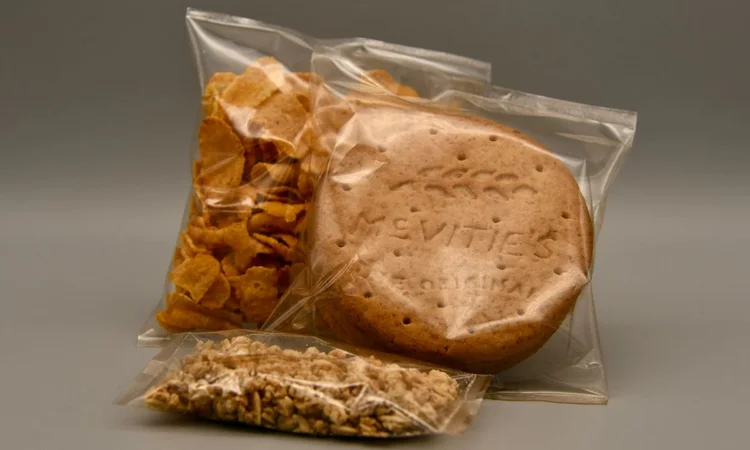
FlexSea produces flexible packaging films that dissolve in hot water or break down in soil. Perfect for single-use items like detergent pods, food wraps, or dry goods, FlexSea’s solution is ideal for consumers who want zero-trace waste.
Their packaging is marine-safe and digestible by aquatic organisms. In 2025, the company is focusing on entering the pharmaceutical and personal care markets.
Why It’s Disruptive: FlexSea is solving one of the toughest problems, soft plastics pollution, by making products that vanish harmlessly.
7. RePack (Finland) – Reusable Packaging-as-a-Service
The Amazon of Circular Packaging
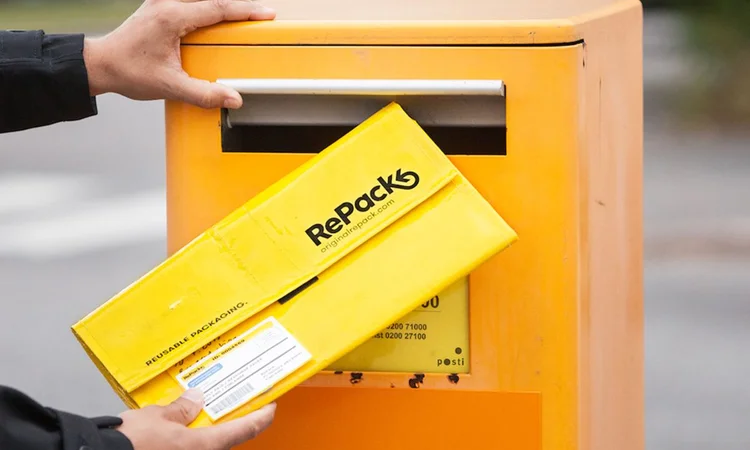
Rather than creating disposable materials, RePack introduces an entirely circular model. E-commerce companies can ship products in a durable RePack bag, which consumers can return via mail. The bag is then cleaned and reused, creating an infinite packaging loop.
Retailers like Zalando and H&M have tested RePack’s system. The startup is currently expanding into North America and Asia.
Why It’s Disruptive: RePack eliminates single-use packaging by offering packaging-as-a-service (PaaS) to e-commerce retailers.
The Technology Driving These Innovations
These startups are not just using natural materials; they're leveraging advanced biotechnology, machine learning, and material science to create scalable, performance-driven packaging.
AI-Powered Waste Analytics: Some startups use AI to assess waste generation and optimize packaging design.
Blockchain for Traceability: Ensuring that packaging material sourcing is ethical and carbon-neutral.
3D Printing with Biopolymers: Custom-packaging shapes using biodegradable polymers with zero waste.
Challenges Ahead: What’s Holding Startups Back?
While these startups are disrupting norms, they face real challenges:
Cost Competitiveness: Biodegradable materials often cost more than petroleum-based plastics.
Infrastructure: Compostable materials still need the right municipal composting facilities.
Regulatory Hurdles: Definitions of “biodegradable” vary by region, leading to compliance confusion.
However, with growing consumer demand, regulatory pressure, and investment in climate tech, the tide is turning fast.
How You Can Support These Startups
Want to be part of the solution?
Shop consciously: Support brands using these packaging startups.
Spread the word: Share about the innovators leading the charge.
Demand change: Ask your favorite retailers and e-commerce stores about their packaging policies.
Conclusion: The Future Is Circular, Smart, and Sustainable
The global packaging industry is at a crossroads, and the disruptors featured here are lighting the way forward. As we look toward 2025 and beyond, expect a shift from “make, use, dispose” to designing for regeneration, reuse, and responsibility.
Sustainable packaging is no longer a buzzword; it’s a movement, and these startups are making it real. Whether it’s a mushroom, seaweed, shrimp shell, or reusable pouch, each innovation brings us one step closer to a zero-waste future.







Leave a Reply
Your email address will not be published.