

In today’s global economy, two forces are reshaping industries at every level: artificial intelligence (AI) and sustainability. While large corporations often dominate the headlines with ambitious green initiatives and cutting-edge digital transformations, the role of micro, small, and medium enterprises (MSMEs) is equally critical. Together, these entities form the backbone of industrial growth, innovation, and resilience.
Honeywell India, a global leader in industrial automation and sustainable technologies, has highlighted an exciting trend: the convergence of AI-driven innovation and sustainability practices is not only transforming enterprises individually but also uniting MSMEs and industry giants in shared purpose. This collaborative vision suggests that the future of business will not be about size or scale alone, but about the ability to embrace intelligent, sustainable ecosystems.
The Rising Importance of MSMEs in India’s Growth Story
MSMEs are often described as the engine of economic growth in India. Contributing nearly 30% of the country’s GDP, employing over 110 million people, and accounting for almost 40% of exports, MSMEs play a pivotal role in India’s industrial and economic fabric.
However, they also face a unique set of challenges, rising energy costs, resource inefficiency, limited access to cutting-edge technologies, and increasing pressure to comply with sustainability standards. These challenges can restrict their growth and competitiveness in global markets.
This is where AI and sustainability-driven technologies, championed by organizations like Honeywell India, come into play. By bridging the gap between MSMEs and industry giants, they open the door to collaborative solutions where every stakeholder benefits.
AI as the Great Equalizer
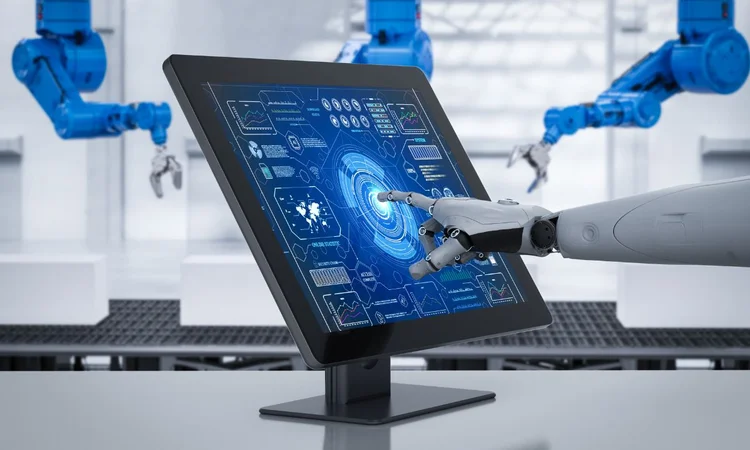
Artificial intelligence is no longer confined to tech labs or Fortune 500 companies. Its applications have permeated every level of the industrial ecosystem, from predictive maintenance in factories to energy monitoring in office buildings.
For MSMEs, AI represents a great equalizer. With relatively modest investments, small businesses can harness AI tools to:
Automate repetitive tasks like inventory tracking and billing.
Enhance supply chain visibility, ensuring more efficient procurement and delivery.
Predict equipment failures, reducing downtime and repair costs.
Optimize energy usage, lowering operational costs while contributing to sustainability goals.
Meanwhile, industry giants can leverage AI for large-scale operational efficiencies, complex data analytics, and advanced R&D initiatives. When these technologies are shared across ecosystems, both small and large players thrive.
Honeywell India envisions a future where AI-powered solutions are democratized, empowering MSMEs to stand shoulder-to-shoulder with industry leaders.
Sustainability: The Common Ground
Sustainability has become a non-negotiable part of doing business. With growing global awareness of climate change, stricter ESG (Environmental, Social, Governance) requirements, and shifting consumer expectations, companies must adopt environmentally responsible practices to remain competitive.
For MSMEs, sustainability offers not just compliance, but opportunity:
Reduced energy bills through efficient systems.
Access to green financing and incentives from governments and institutions.
Improved brand reputation as responsible suppliers in global value chains.
For industry giants, sustainability is central to long-term strategy. Companies like Honeywell invest heavily in carbon reduction technologies, renewable energy integration, and smart automation systems. By collaborating with MSMEs, often part of their supply chain, they ensure sustainability extends beyond corporate headquarters to every partner and vendor.
This creates a shared mission: sustainability becomes the common ground where MSMEs and large corporations unite.
Honeywell India’s Vision: Collaboration Over Competition
Honeywell India has consistently emphasized that AI and sustainability are not isolated strategies but interconnected pathways toward industrial growth. Their approach fosters ecosystems of collaboration, where MSMEs and large corporations work together rather than operate in silos.
1. Technology Sharing
Honeywell’s platforms are designed to be scalable and adaptable, making them accessible to smaller businesses. By lowering the barriers to technology adoption, MSMEs can plug into solutions that were once exclusive to industry giants.
2. Green Supply Chains
Large corporations rely heavily on MSMEs for materials, logistics, and services. By encouraging smaller suppliers to adopt AI-powered sustainability practices, giants ensure their entire supply chain aligns with global ESG commitments.
3. Policy and Advocacy
As a thought leader, Honeywell India works closely with policymakers to create frameworks that support both MSMEs and large corporations in their sustainability journeys. This includes incentives for clean technology adoption and digital transformation.
4. Capacity Building
Through workshops, training, and joint projects, Honeywell enables MSMEs to upskill their workforce in areas like IoT, AI integration, and sustainable manufacturing practices. This ensures smaller players are not left behind.
Real-World Applications: AI and Sustainability in Action
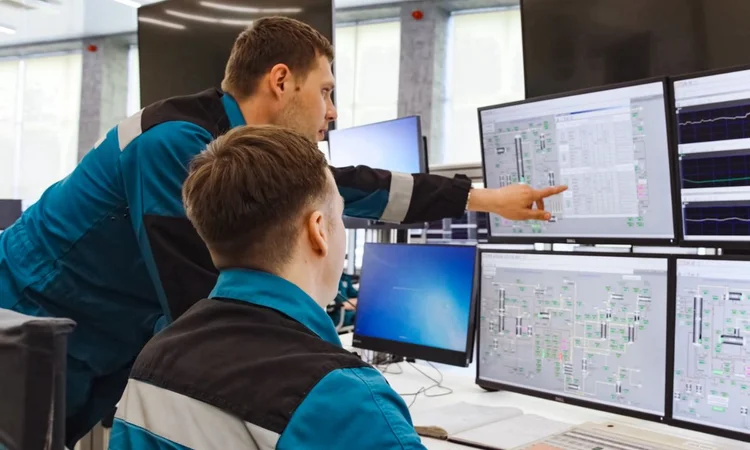
To better understand how AI and sustainability unite businesses, let’s explore some practical applications:
1. Energy Monitoring and Optimization
MSMEs: By using AI-based sensors and dashboards, small manufacturing units can track energy consumption in real time, identifying inefficiencies and reducing costs.
Industry Giants: At scale, corporations deploy enterprise-wide energy management systems that integrate renewable sources and optimize loads across multiple facilities.
2. Smart HVAC Systems
MSMEs: Affordable AI-driven HVAC automation ensures that workshops and offices maintain optimal temperature without wasting energy.
Giants: Global corporations use advanced HVAC solutions integrated with IoT for carbon-neutral campuses and factories.
3. Predictive Maintenance
MSMEs: Small factories often face crippling losses from equipment breakdowns. AI helps them predict failures and schedule maintenance efficiently.
Giants: Multinational plants apply predictive analytics across entire production lines, reducing downtime and enhancing global efficiency.
4. Sustainable Supply Chains
MSMEs: Local suppliers adopting green practices (waste reduction, eco-friendly materials) become attractive partners for big corporations.
Giants: Corporations achieve ESG goals by ensuring that sustainability cascades through their extended network.
These examples demonstrate how AI-driven sustainability creates synergies, enabling MSMEs and industry giants to co-create value.
Overcoming Challenges Together
While the vision is promising, certain challenges remain in uniting MSMEs and industry giants:
Financial Barriers: Smaller businesses may struggle with upfront investments in AI or green technologies.
Awareness Gaps: Many MSMEs lack knowledge of how sustainability can drive profitability.
Digital Divide: Adoption of advanced technologies varies significantly across regions and sectors.
Regulatory Complexity: Navigating environmental and digital compliance frameworks can be daunting, particularly for smaller players.
Honeywell India stresses that these challenges are best overcome through collaboration and shared responsibility. Large corporations, technology providers, and governments can create ecosystems of support, offering financial assistance, training, and simplified compliance pathways for MSMEs.
The Bigger Picture: India’s Global Leadership in Sustainable AI
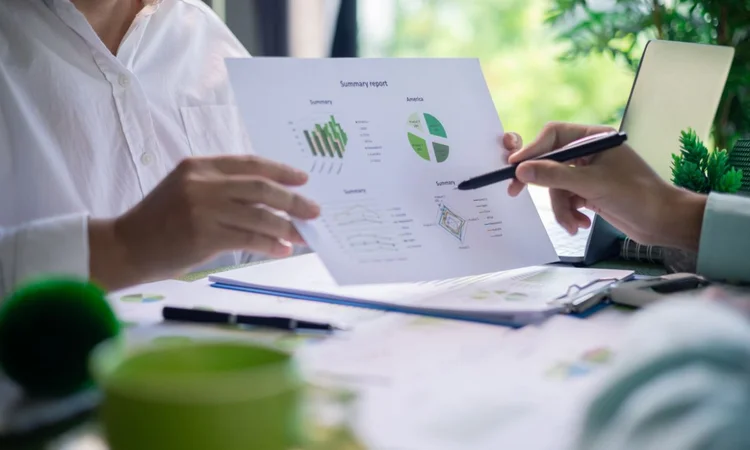
India’s industrial sector is at a tipping point. As the world’s fifth-largest economy and a hub for manufacturing and technology innovation, the country has the potential to lead the global conversation on sustainable industrial growth.
By uniting MSMEs and industry giants under the banner of AI and sustainability, India can:
Achieve its net-zero carbon commitments faster.
Strengthen its global competitiveness in manufacturing exports.
Create millions of green jobs across sectors.
Serve as a model for emerging economies navigating similar challenges.
Honeywell India’s message is clear: the future is not about fragmented progress but about building inclusive, intelligent, and sustainable industrial ecosystems.
Conclusion: A Shared Journey Toward Transformation
The convergence of AI and sustainability represents one of the most transformative shifts in modern business. For MSMEs, it is an opportunity to modernize operations, reduce costs, and align with global supply chains. For industry giants, it is a chance to strengthen ESG commitments, enhance operational efficiency, and build more resilient ecosystems.
Honeywell India envisions a world where these two forces, small and large enterprises, are no longer divided but united by common goals and shared technologies. With AI as the great equalizer and sustainability as the common mission, the industrial future will be one of collaboration, inclusivity, and innovation.
In this journey, every enterprise, whether a small workshop or a multinational conglomerate, has a role to play. Together, they are not just driving economic growth but shaping a smarter, greener, and more resilient future for India and the world.




Leave a Reply
Your email address will not be published.