

[Source - Franchising.com]
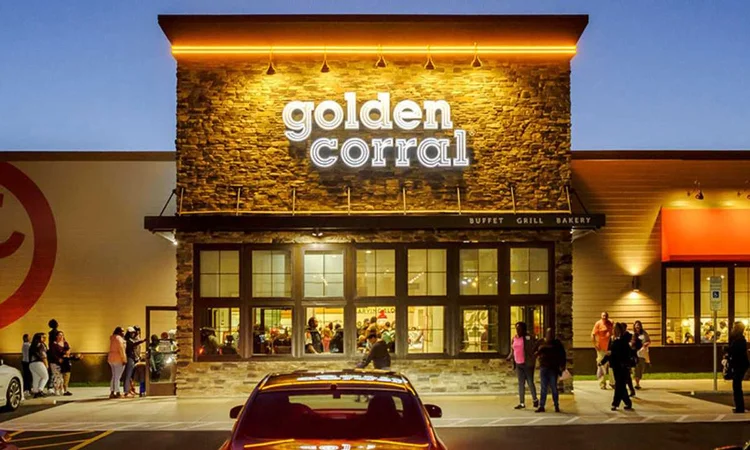
For decades, the phrase “all-you-can-eat” has held a certain magic for American diners. It evokes memories of endless food choices, hearty meals shared with family, and the thrill of indulging in your favorites without limits. No brand has embodied this concept more than Golden Corral Corporation, the buffet-style restaurant chain that has become a staple of casual dining in the United States. From its humble beginnings in the 1970s to becoming one of the nation’s most recognized names in family dining, Golden Corral has stood as a testament to adaptability, tradition, and community-focused values.
In this article, we’ll dive deep into the story of Golden Corral, its history, culture, food, challenges, innovations, and how it has remained relevant in today’s fast-paced, health-conscious world.
The Origins of Golden Corral: A Humble Beginning
Golden Corral was founded in 1973 in Fayetteville, North Carolina, during a time when America was hungry for affordable family dining experiences. The founders envisioned a space where families could sit together, enjoy endless options, and leave satisfied without breaking the bank.
The restaurant’s first location was modest but innovative for its time: it introduced a buffet-style dining model with a focus on fresh, hot food. While other restaurants relied on à la carte menus, Golden Corral stood out by offering variety, value, and volume.
This model resonated with working-class families and quickly became a hit. By the late 1970s and 1980s, Golden Corral had expanded across the South and Midwest, cementing its position as a leader in the buffet category.
The Buffet Revolution: Variety at Its Core
[Source - Franchising.com]
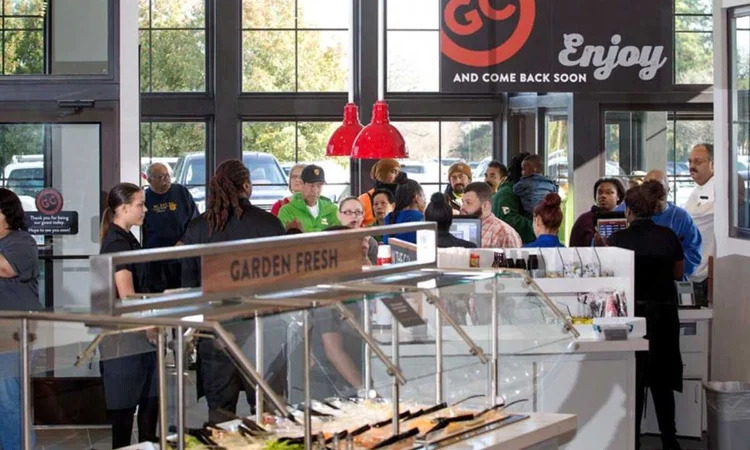
Golden Corral’s defining strength has always been its buffet concept, which offers an impressive variety of dishes under one roof. From classic American comfort food like fried chicken, mashed potatoes, and cornbread to a fresh salad bar, pasta station, and dessert counter, the chain became synonymous with “something for everyone.”
Their concept wasn’t just about quantity; it was about creating a dining experience where people could explore multiple cuisines at once. Families with kids, picky eaters, or groups with different tastes could all find satisfaction at Golden Corral.
The Famous “Endless Buffet”
Perhaps no slogan captures Golden Corral’s identity better than its “Endless Buffet.” With more than 150 items served daily at many locations, customers could indulge in everything from steak and ribs to pizza, tacos, and seafood.
The highlight for many has always been the dessert station, a dreamland of cakes, pies, cookies, puddings, and the iconic chocolate fountain that became a fan favorite. For children and adults alike, the dessert spread represented the joyful, indulgent spirit of Golden Corral.
Beyond Food: Building a Community Hub
Golden Corral isn’t just about feeding people, it’s about bringing communities together. From day one, the chain positioned itself as a family-friendly dining destination where celebrations, birthdays, and special occasions could be shared.
The company also places a strong emphasis on philanthropy and service. One of its most notable initiatives is the Golden Corral’s Military Appreciation Night, an annual tradition that has provided free meals to millions of active-duty military personnel, veterans, and their families. This event has become a cornerstone of the brand’s identity, showcasing its commitment to giving back.
Additionally, Golden Corral supports Camp Corral, a non-profit organization dedicated to providing free summer camp experiences for children of wounded, ill, injured, or fallen military service members. These initiatives reflect how the brand goes beyond business to foster goodwill in communities across America.
The Menu: Comfort Food Meets Modern Preferences
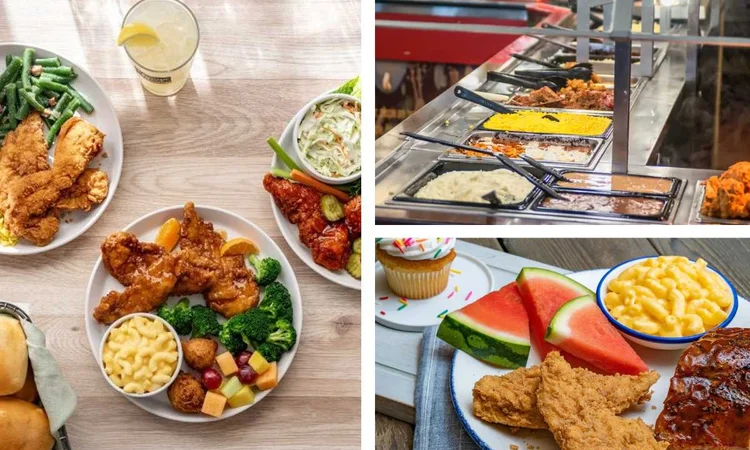
At its heart, Golden Corral has always been about comfort food. However, as food trends and dietary preferences have evolved, so has the chain’s menu.
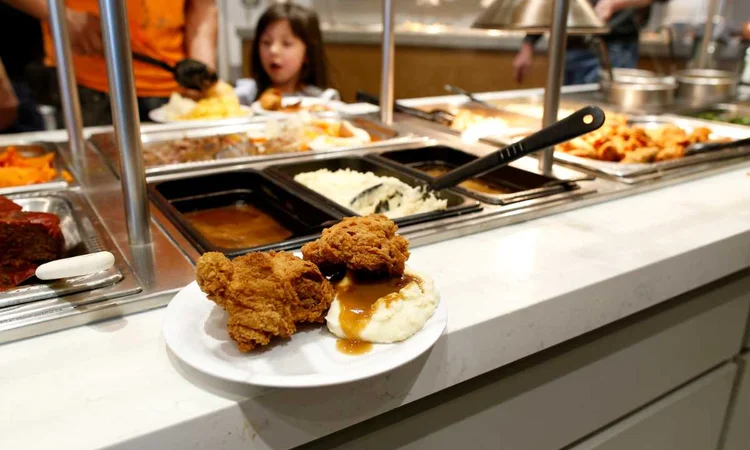
Classic Favorites: Fried chicken, pot roast, meatloaf, and mac & cheese remain staples.
Fresh Choices: Expanded salad bars and fresh fruit options cater to health-conscious diners.
Global Influence: Mexican-inspired tacos, Italian pasta dishes, and Asian stir-fries showcase international flavors.
Seasonal Specials: Rotating items such as Thanksgiving turkey and holiday ham highlight the brand’s focus on tradition.
By balancing tradition with innovation, Golden Corral has managed to satisfy both loyal customers and newer generations seeking variety.
Challenges in a Changing Market
Like many buffet chains, Golden Corral has faced significant challenges, particularly in recent years.
The Rise of Health Consciousness – As more Americans turned to healthy, portion-controlled meals, buffet dining faced criticism for promoting overindulgence.
Competition from Fast Casual Dining – Brands like Chipotle, Panera, and Chick-fil-A appealed to younger consumers with fresher, customizable, and quicker options.
The COVID-19 Pandemic – Perhaps the biggest blow came with the pandemic, which posed unique risks for self-service buffet models. Many Golden Corral locations were forced to shut down temporarily, and some never reopened.
Despite these challenges, Golden Corral’s resilience has been remarkable. By pivoting operations, introducing new safety protocols, and even experimenting with cafeteria-style service models, the brand found ways to adapt to an unpredictable market.
Innovation: Adapting to New Dining Trends
Golden Corral has shown that even a traditional buffet chain can embrace innovation.
To-Go and Delivery Options: Recognizing changing dining habits, Golden Corral introduced family-style to-go meals and partnered with delivery platforms.
Restaurant Redesigns: Updated interiors and open kitchen concepts modernized the dining experience.
Focus on Quality: The brand has worked on improving the freshness and quality of its offerings to compete with fast-casual chains.
Digital Engagement: Social media and digital marketing campaigns have been used to connect with younger consumers and highlight seasonal promotions.
These moves helped Golden Corral retain relevance in a world where convenience and health trends dominate.
The Golden Corral Experience: Why People Keep Coming Back
Despite changing food landscapes, one truth remains: Golden Corral is about more than just food. It’s about experience. Families come for:
Nostalgia: For many, it’s where childhood birthdays, post-church lunches, and family gatherings took place.
Affordability: With all-you-can-eat pricing, families see value in dining together without budget worries.
Variety: Few places can match Golden Corral’s extensive menu under one roof.
Community Spirit: The brand’s dedication to service and family-friendly values builds trust and loyalty.
Looking Ahead: The Future of Golden Corral
[Source - Getty Images]
Golden Corral’s journey reflects the story of American dining itself, shifting tastes, evolving trends, and the resilience of tradition. Looking forward, the company is likely to:
Expand digital innovations with app-based loyalty programs and online ordering.
Introduce more healthy and plant-based options to meet modern dietary preferences.
Continue investing in community and veteran-focused initiatives that resonate deeply with its customer base.
Explore smaller, modern restaurant formats to compete with fast-casual spaces while maintaining the buffet identity.
Golden Corral’s ability to balance tradition with change will determine how well it thrives in the next decade of dining trends.
Conclusion: More Than Just a Buffet
Golden Corral Corporation is more than a restaurant chain; it’s an American institution. For over 50 years, it has offered more than just meals; it has delivered memories, celebrations, and a sense of belonging.
In an age where dining is becoming increasingly fast-paced and fragmented, Golden Corral continues to stand out for its endless choices, family values, and community service. While challenges remain, its legacy of adaptability and commitment to customers ensures that the Golden Corral buffet will remain a cherished dining experience for generations to come.








Leave a Reply
Your email address will not be published.