

[Source - HoneyBaked]
Few names in the American food industry resonate with tradition, quality, and celebration quite like HoneyBaked Ham Co. For decades, the brand has been synonymous with holiday gatherings, Sunday dinners, and corporate feasts, providing not just a meal but a culinary centerpiece that brings people together. From its signature glazed hams to its modern offerings of sandwiches, sides, and catering options, HoneyBaked Ham has evolved into a household name while staying true to its original mission: delivering premium taste with a touch of tradition.
This article dives into the story of HoneyBaked Ham Co., its history, innovations, culinary excellence, and cultural impact, and explores why it continues to be a beloved choice for families and businesses across America.
The Birth of an American Food Icon
The HoneyBaked Ham Co. was founded in 1957 by Harry J. Hoenselaar in Detroit, Michigan. Hoenselaar, an inventor at heart, developed a unique method for preparing hams: a spiral-slicing machine that allowed each ham to be sliced uniformly while remaining on the bone. This invention revolutionized how ham could be served, making it both convenient and visually stunning as a centerpiece.
Pairing his slicing innovation with a signature sweet, crunchy glaze, a blend of spices and sugars caramelized to perfection, Hoenselaar created what is now the hallmark of the HoneyBaked brand. The combination of ease, elegance, and extraordinary flavor became the foundation for HoneyBaked’s enduring success.
The HoneyBaked Ham Experience
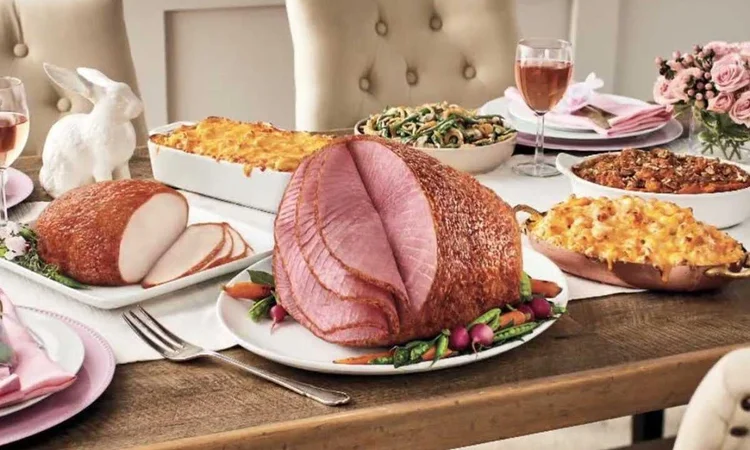
At the core of HoneyBaked Ham Co. lies its flagship product: the spiral-sliced, glazed ham. It’s a culinary masterpiece that delivers smoky-sweet flavors with a signature crunch in every bite. But the brand has expanded far beyond just holiday hams.
1. The Famous Ham
Premium, bone-in hams cured and smoked to perfection.
Spiral-sliced for effortless serving.
Hand-glazed with a crunchy topping that’s become the company’s signature.
2. Turkey Breast Options
Recognizing the demand for alternatives, HoneyBaked added slow-roasted and smoked turkey breasts, equally glazed and prepared with the same care as the hams. These options provide variety for families and gatherings.
3. Heat-and-Serve Meals
HoneyBaked offers a range of sides and entrées such as macaroni and cheese, sweet potato soufflé, green bean casserole, and cornbread stuffing. These dishes complement the main proteins, allowing customers to enjoy a complete gourmet meal without the stress of cooking.
4. Everyday Eats
While holiday feasts remain their bread and butter, HoneyBaked Ham stores have also evolved into delis and cafés, offering sandwiches, soups, and salads made with their signature meats. This pivot allows the brand to serve customers year-round.
From Holiday Tradition to Everyday Delight

[Source - You Tube]
For many families, the HoneyBaked Ham has become a holiday tradition. Thanksgiving, Christmas, Easter, and even New Year’s celebrations often feature the golden-glazed ham at the center of the table. The company’s ability to provide a product that elevates home gatherings without requiring hours in the kitchen has made it a staple.
However, HoneyBaked has expanded its reach beyond just seasonal occasions. Through its cafés, catering, and corporate gift programs, it now plays a role in everyday dining and workplace culture. Offices frequently order HoneyBaked catering for meetings and parties, while individuals stop in for quick lunches featuring sandwiches like the Ham Classic or Turkey Bacon Ranch.
The Business Evolution of HoneyBaked Ham Co.
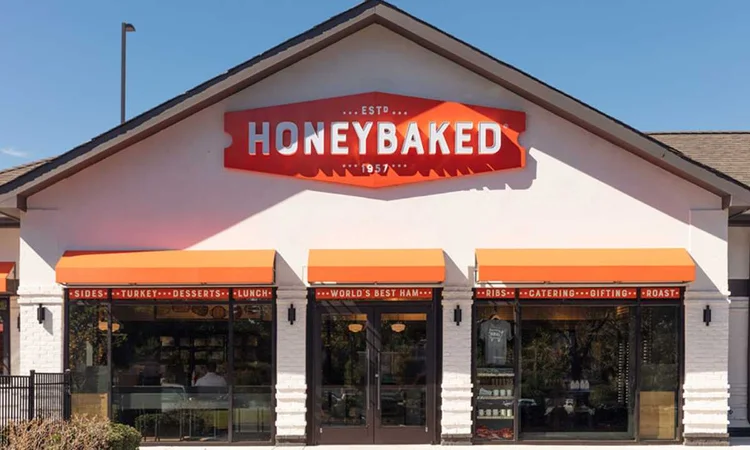
What began as a single family-run operation in Detroit has grown into a national franchise network. With more than 400 locations across the United States, HoneyBaked Ham Co. has established itself as both a retail and restaurant brand.
Franchise Model
The company embraced franchising as a way to scale, allowing entrepreneurs to bring HoneyBaked Ham to local communities. The franchise model benefits from a strong brand reputation, built-in demand during holidays, and diversified revenue streams from deli and catering services.
E-commerce Expansion
HoneyBaked has also leaned into the digital era, offering online ordering and nationwide shipping. Customers can have hams, turkeys, and complete meal kits delivered to their door, making it easier than ever to enjoy the brand’s products.
Corporate Programs
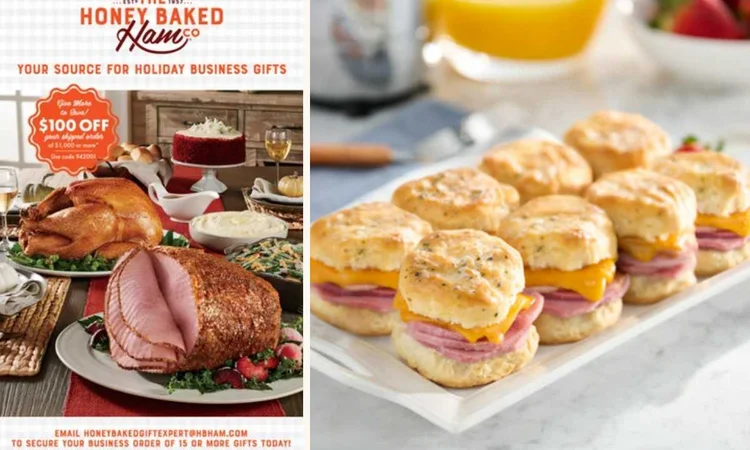
The brand’s corporate gift program has become a unique business strategy, offering gift cards, meal packages, and hams that companies can give to employees and clients. This has made HoneyBaked not only a consumer favorite but also a trusted name in the corporate world.
The HoneyBaked Ham Culture: Food Meets Family
Beyond its business success, HoneyBaked Ham has fostered a culture centered on family, warmth, and togetherness. For many, buying a HoneyBaked Ham isn’t just about convenience; it’s about carrying on a tradition.
The company’s advertising often emphasizes this emotional connection, families gathered around the dinner table, laughter filling the room, and the HoneyBaked Ham as the centerpiece. This focus on tradition has helped the brand remain relevant even as consumer habits evolve.
Innovation Meets Tradition
One of the most fascinating aspects of HoneyBaked Ham Co. is how it balances innovation with tradition.
The Spiral Slicer: Hoenselaar’s invention still lies at the heart of the company’s success. It’s a technological advancement that allowed for convenience without compromising quality.
Menu Expansion: By offering café-style meals, HoneyBaked has adapted to changing dining habits. Consumers looking for healthier or quicker meals can now enjoy wraps, salads, and soups.
Digital Ordering: With mobile apps and online ordering, HoneyBaked has made it easy for tech-savvy customers to plan meals or ship gifts across the country.
This ability to innovate while preserving its core identity has been critical to its longevity.
Challenges and Competition
Like any food brand, HoneyBaked Ham faces challenges:
Seasonal Demand: Despite year-round offerings, a significant portion of sales still come from the holiday season. Maintaining consistent revenue throughout the year requires creative marketing and menu diversification.
Competition: The brand competes with both local delis and national chains. Supermarkets also offer pre-glazed hams, though few can match HoneyBaked’s reputation.
Franchise Consistency: Maintaining the same level of quality across hundreds of locations can be challenging, especially as the company grows.
Despite these challenges, HoneyBaked’s strong brand identity and loyal customer base give it a competitive edge.
The Cultural Impact of HoneyBaked Ham Co.
Over the decades, HoneyBaked Ham has become ingrained in American food culture. The brand represents more than just a meal; it represents shared experiences, celebrations, and family traditions.
A Symbol of the Holidays: Much like pumpkin pie at Thanksgiving or eggnog at Christmas, the HoneyBaked Ham has become a symbolic dish for festive occasions.
Community Engagement: Many locations are deeply involved in their local communities, supporting schools, charities, and events.
Pop Culture Recognition: HoneyBaked Ham often appears in movies, television shows, and comedy skits as a shorthand for indulgent, celebratory food.
Sustainability and the Future
In an era where sustainability and ethical sourcing are increasingly important, HoneyBaked Ham Co. has also begun exploring ways to adapt. From reducing packaging waste to sourcing responsibly, the brand recognizes the need to align with modern consumer values.
Looking forward, the company’s continued focus on e-commerce growth, menu innovation, and corporate partnerships will likely drive its success. Expanding international markets could also be a possibility as American-style holiday traditions gain traction worldwide.
Why HoneyBaked Ham Endures
What makes HoneyBaked Ham Co. so enduring is its ability to stay relevant while remaining true to its roots. Its success is built on three pillars:
Quality: Premium meats, expertly prepared, and consistently delicious.
Tradition: A brand deeply tied to family gatherings and celebrations.
Innovation: From the spiral slicer to digital delivery, HoneyBaked has never stopped evolving.
It is this balance that allows HoneyBaked to thrive in a competitive food market while maintaining its reputation as the gold standard for holiday dining.
Conclusion: More Than Just a Meal
HoneyBaked Ham Co. is not merely a food business; it’s a cultural institution. For over six decades, it has provided more than sustenance; it has created memories. Whether it’s the centerpiece of a holiday dinner, the highlight of a corporate lunch, or a simple sandwich on a weekday afternoon, HoneyBaked represents warmth, quality, and togetherness.
As it continues to evolve, HoneyBaked Ham Co. carries with it the legacy of Harry Hoenselaar’s vision: to make great food accessible, convenient, and memorable. And in doing so, it remains a staple of American tradition, a company where every slice tells a story.








Leave a Reply
Your email address will not be published.