


Health Products You Don’t Really Need: An Honest Breakdown

In today’s wellness-driven world, the health and fitness industry is booming. From supplements and gadgets to detox teas and “miracle” tonics, the market is flooded with products promising better health, weight loss, or enhanced longevity. But amid the hype, not every product delivers on its promises. In fact, some are entirely unnecessary, and in some cases, even counterproductive.

This article provides a critical breakdown of health products you don’t actually need, explaining why they’re overhyped, the science behind the claims, and smarter alternatives for genuinely improving your health.

The Hype Behind Health Products

The modern wellness market is fueled by:

  • Social media influencers promoting trendy supplements and devices.

  • Celebrity endorsements that create a perception of legitimacy.

  • Fear-based marketing that preys on insecurities about weight, aging, or immunity.

  • Science misrepresentation, studies cherry-picked or misinterpreted to support a product.

Consumers are often led to believe that purchasing a product is the shortcut to better health, but in reality, lifestyle choices, diet, exercise, sleep, and stress management have far greater impact.

Supplements That Often Aren’t Necessary

1. Detox Teas and Cleanses

Detox teas promise to flush out toxins, improve digestion, and aid weight loss. The reality:

  • Your liver, kidneys, and intestines naturally detoxify your body.

  • Many detox teas contain laxatives, which can lead to dehydration, electrolyte imbalance, and dependency.

  • Weight loss from these teas is usually water weight, not fat loss.

Alternative: Focus on a diet rich in fiber, vegetables, and hydration to support natural detoxification.

2. Excessive Vitamin Supplements

  • Vitamins like C, D, and B-complex are essential, but megadoses are rarely needed for most healthy adults.

  • Over-supplementation can cause toxicity or imbalances, particularly with fat-soluble vitamins (A, D, E, K).

  • Many multivitamins contain doses far above recommended levels, which aren’t proven to improve health in people with balanced diets.

Alternative: Aim for nutrient-rich foods, leafy greens, fruits, nuts, and lean proteins provide the vitamins your body needs.

3. Weight-Loss Pills and Fat Burners

  • Many over-the-counter weight-loss supplements rely on stimulants or unproven herbal ingredients.

  • Studies often show minimal long-term benefits, and side effects may include jitteriness, high blood pressure, or gastrointestinal distress.

  • Sustainable weight management relies on dietary habits, exercise, and lifestyle, not a pill.

Alternative: Focus on a high-protein, fiber-rich diet and regular movement.

4. Alkaline Water

  • Alkaline water claims to neutralize body acidity, prevent disease, and boost energy.

  • Your body naturally maintains pH balance via lungs, kidneys, and buffers in the blood.

  • Scientific evidence for health benefits of alkaline water is weak or inconclusive.

Alternative: Simply drink enough plain water daily, hydration is what truly matters.

Fitness & Recovery Products That Are Overrated

1. Electrolyte Drinks for Everyday Hydration

  • Unless you’re engaging in intense, prolonged exercise or sweating heavily, most people get sufficient electrolytes from regular food and water.

  • Commercial drinks often contain excess sugar and unnecessary calories.

Alternative: Water and a balanced diet with fruits, vegetables, and nuts provide natural electrolytes.

2. Wearable Recovery Gadgets

  • Products like vibrating foam rollers, percussive massagers, or electronic muscle stimulators claim to enhance recovery and reduce soreness.

  • While occasional use may provide temporary relief, studies show limited long-term benefits.

  • Often, simple techniques, stretching, foam rolling, adequate sleep, and proper nutrition, are just as effective.

Alternative: Prioritize rest, hydration, and consistent movement over expensive gadgets.

3. Ab Rollers and Targeted Fat-Burning Devices

  • No device burns fat from a specific area (spot reduction is a myth).

  • While ab rollers strengthen core muscles, they won’t reduce belly fat without overall calorie control and exercise.

Alternative: Combine strength training with cardiovascular activity for overall fat reduction.

Diet Trends and Foods That Don’t Live Up to the Hype
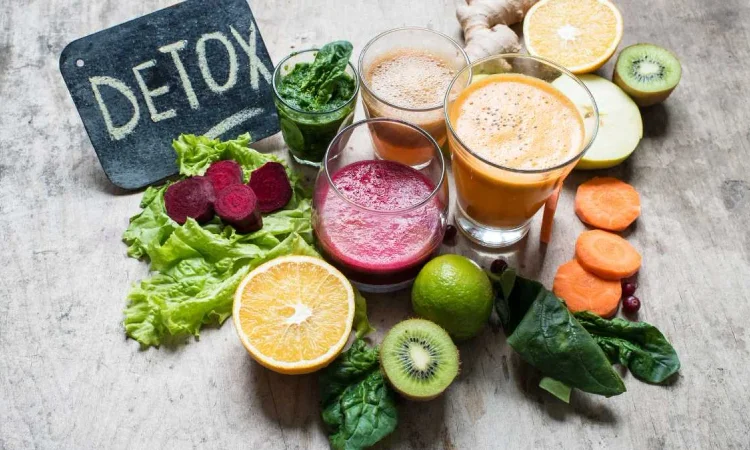
1. Detox Juices

  • Cold-pressed or “cleanse” juices are marketed as fat burners and toxin flushers.

  • Juice-only diets can lead to muscle loss, nutrient deficiencies, and blood sugar spikes.

Alternative: Eat whole fruits and vegetables for fiber, vitamins, and sustained energy.

2. Gluten-Free Products for Non-Celiac Individuals

  • Many people buy gluten-free foods believing they are healthier or aid weight loss.

  • Unless you have celiac disease or gluten sensitivity, these products offer no inherent health benefit and can be high in sugar and refined carbs.

Alternative: Focus on whole grains, regardless of gluten content, for fiber and nutrients.

3. “Superfood” Powders and Powders

  • Spirulina, acai, and matcha powders are nutrient-rich, but the benefits are exaggerated when isolated in powders.

  • They rarely outperform a balanced diet of fruits, vegetables, nuts, and seeds.

Alternative: Incorporate whole foods into meals rather than relying on powders.

Marketing Tactics That Fuel Unnecessary Purchases

  1. Fear-Based Advertising – Promises of avoiding disease or aging often push consumers to buy unnecessary supplements or devices.

  2. Celebrity Influence – Endorsements may mislead consumers, as results are anecdotal, not evidence-based.

  3. Misinterpreted Research – Small, non-peer-reviewed studies are sometimes used to justify exaggerated claims.

Consumers must be critical of health claims and seek information from reputable sources.

How to Make Smarter Health Choices

  1. Prioritize Evidence-Based Products – Supplements and devices should have peer-reviewed scientific support.

  2. Focus on Lifestyle First – Diet, sleep, stress management, and exercise outweigh most commercial products.

  3. Check Ingredient Lists – Avoid products with unnecessary additives, sugar, or overstated claims.

  4. Consult Professionals – Registered dietitians, certified trainers, and doctors provide guidance tailored to your needs.

  5. Evaluate Cost vs. Benefit – Expensive gadgets and supplements are often less impactful than small, consistent lifestyle changes.

Conclusion

The wellness industry thrives on trends and promises, but many health products are overhyped or unnecessary. Detox teas, excessive supplements, miracle diets, and recovery gadgets may provide temporary satisfaction but rarely lead to lasting health benefits.

True wellness comes from evidence-based habits:

  • Eating whole, nutrient-rich foods.

  • Staying active through exercise and movement.

  • Prioritizing sleep and stress management.

  • Hydration and moderation.

Before investing in the next trending health product, ask yourself: Do I truly need this, or am I chasing a shortcut that doesn’t exist? Making intentional choices based on science, not marketing hype, is the real path to lasting health and vitality.

Your body doesn’t need a miracle pill, a trendy juice, or an expensive gadget; it needs consistency, balance, and informed choices.


About the Author

Emily Rodriguez
Emily Rodriguez

Emily Rodriguez writes about educational technology and online learning effectiveness, translating pedagogical research into platform evaluation. Their approach combines learning science with technology assessment. They focus on how digital tools affect student engagement, knowledge retention, and skill development. Their reporting highlights what works across different age groups, subjects, and learning contexts. They frequently examine the implementation challenges schools face when adopting new technology. They are known for evidence-based evaluation of learning management systems and educational apps. Their perspective is shaped by conversations with teachers, instructional designers, and education researchers. They write about adaptive learning, gamification, and personalized instruction. They emphasize learning outcomes over technological novelty. Their work helps educators select and implement technology that genuinely improves teaching and learning.

Comments

Join the discussion and share your thoughts.

No comments yet. Be the first to comment.

Leave a Reply

Your email address will not be published.

Related Posts

Remote Work Burnout: Signs, Prevention, and Recovery Strategies

Remote Work Burnout: Signs, Prevention, and Recovery Strategies

The transition to remote work has reshaped our professional lives, offering flexibility and autonomy. However, it has also introduced new challenges, notably the risk of burnout. Understanding the signs of remote work burnout, implementing preventive measures, and adopting effective recovery strategies are crucial for maintaining well-being and productivity.

Posted on: by Thomas
Pioneering Health: Pharma Leadership in Emerging Economies

Pioneering Health: Pharma Leadership in Emerging Economies

The pharmaceutical industry has long been a cornerstone of global health, driving innovation, research, and patient care. While traditionally dominated by companies in developed economies, emerging markets are now at the forefront of transformative change in the sector. Countries across Asia, Africa, and Latin America are witnessing a surge of local and multinational pharmaceutical leaders who are redefining healthcare delivery, accessibility, and innovation.

Posted on: by Robert Taylor
From ‘Let Them Theory’ to Lifestyle: Why Letting Go Is a Movement

From ‘Let Them Theory’ to Lifestyle: Why Letting Go Is a Movement

In a culture obsessed with control, perfection, and constant optimization, the simple act of letting go can feel revolutionary. From micromanaging work projects to overthinking relationships, modern life often pressures us to control outcomes, track every detail, and predict every challenge. Yet, there is a growing movement that challenges this paradigm, a lifestyle rooted in letting go.

Healthcare
Joaquin Duato: Leading Johnson & Johnson Through the Digital Health Revolution

Joaquin Duato: Leading Johnson & Johnson Through the Digital Health Revolution

In today’s era of unprecedented innovation, one name stands out in the global healthcare industry: Joaquin Duato. As Chairman and CEO of Johnson & Johnson, the world’s largest and most diversified healthcare products company, Duato embodies visionary leadership, technological foresight, and a relentless commitment to patient well-being. His journey from a healthcare-rooted family in Valencia, Spain, to the boardroom of a healthcare giant reflects an inspiring narrative of purpose-driven leadersh

Healthcare
How Orthopedic Technology Is Helping Employers Reduce Workers’ Compensation Costs?

How Orthopedic Technology Is Helping Employers Reduce Workers’ Compensation Costs?

The past few years have seen dramatic changes in workers’ compensation in several aspects. There is an increased focus on workplace safety & injury prevention. This is being integrated with companies that are actively participating in creating a safe work environment. Orthopedic technology imparts a helping hand to the employees in a factory who’ve been injured during the tenure of their service. Also, the employees are helped who are years in service & are close to retirement. All of this is in

Healthcare
Wellness Trends to Skip in 2025: From Extreme Biohacking to Toxic Positivity

Wellness Trends to Skip in 2025: From Extreme Biohacking to Toxic Positivity

Wellness trends come and go, often promising quick fixes, life-changing results, or the ultimate path to happiness and health. While some trends genuinely enhance well-being, others are overhyped, misguided, or even harmful. As we enter 2025, it’s crucial to distinguish science-backed practices from fads that waste time, money, or emotional energy.

Healthcare
The Global Wellness Revolution: Shaping a Healthier Future for All

The Global Wellness Revolution: Shaping a Healthier Future for All

In today’s fast-paced world, the pursuit of wellness has become more than a trend—it is a way of life. Across continents and cultures, people are prioritizing their physical, mental, and emotional well-being like never before. The global wellness industry, valued at over $5 trillion and growing steadily, reflects this profound shift toward holistic health. From personalized wellness programs and digital health innovations to eco-friendly beauty and mindfulness practices, the industry is reshapin

Healthcare
Cold Water Therapy and Cardiovascular Health: Safe or Risky?

Cold Water Therapy and Cardiovascular Health: Safe or Risky?

Opting for cold water therapy has become a popular trend these days over the internet. You can see a lot of celebs, influencers & prominent personalities trying this trend. The trend is known as the polar bear plunge in anticipation of raising funds for a social cause. When exposed to cold water it enhances blood pressure and fat levels for those who’re in good health generally. Our hearts work harder when we’re moving through water than when we’re on land.

Healthcare
Mental Health Matters: Coping with Loneliness as a Remote Worker

Mental Health Matters: Coping with Loneliness as a Remote Worker

Remote work has transformed the modern workplace, offering unparalleled flexibility, freedom, and the opportunity to work from virtually anywhere. For many professionals, it’s a dream come true. But alongside these benefits comes a significant challenge: loneliness and social isolation . Working remotely often means fewer face-to-face interactions, limited casual conversations, and the absence of a traditional office community. Over time, this can impact mental health, productivity, and overall

Healthcare
Minimalism Isn’t About Less, It’s About What Matters Most

Minimalism Isn’t About Less, It’s About What Matters Most

In an age defined by excess, accumulation, and constant noise, the idea of minimalism has struck a deep chord with those yearning for clarity, calm, and purpose. Often misunderstood as a lifestyle of deprivation or stark aesthetics, minimalism is not about living with as little as possible. Instead, it’s a powerful mindset, one that shifts the focus from more to meaning , from quantity to quality, and from clutter to clarity.

Healthcare