

3 Wellness Hacks a Top Heart Doctor Would Never Recommend

In today’s wellness-obsessed world, social media and self-help platforms are overflowing with “life hacks” promising instant health benefits. From detox teas to extreme exercise routines, everyone seems to have a shortcut to better health. While some of these trends can be safe and effective, not all wellness advice is created equal, especially when it comes to heart health.

Cardiovascular disease remains a leading cause of death worldwide, and decisions that seem harmless may carry hidden risks for your heart. We spoke with top cardiologists to identify three wellness hacks you should avoid, even if they’re trending online. These insights will help you make smarter, safer choices for a healthier heart.

1. Extreme Detoxes and Cleanses

Why They’re Popular

Detox diets, juice cleanses, and extreme fasting routines have become viral sensations, promoted as quick fixes for weight loss, better skin, or overall vitality. TikTok, Instagram, and wellness blogs often showcase dramatic before-and-after transformations, encouraging followers to try intense detox programs.

Why Heart Doctors Say No

  • Electrolyte Imbalances: Extreme cleanses or fasting can dangerously lower sodium, potassium, and magnesium levels, leading to irregular heartbeats (arrhythmias) or even cardiac arrest in severe cases.

  • Blood Pressure Fluctuations: Rapid weight loss through fluid depletion can cause dangerous spikes or drops in blood pressure, placing strain on the heart.

  • Nutrient Deficiencies: Restrictive detox diets may deprive the body of essential nutrients such as protein, iron, and calcium, critical for maintaining heart function.

Safer Alternatives

  • Balanced Nutrition: Focus on whole foods like fruits, vegetables, lean proteins, whole grains, and healthy fats. A diet rich in omega-3s, fiber, and antioxidants is scientifically proven to protect cardiovascular health.

  • Hydration with Caution: Drink water regularly but avoid relying on teas or powders marketed as “miracle cleansers.”

  • Mindful Eating: Eating smaller, nutrient-dense meals can improve digestion and maintain energy without stressing your heart.

Key Takeaway: The heart thrives on consistent, balanced nutrition, not drastic short-term detoxes.

2. Excessive High-Intensity Workouts Without Recovery

Why They’re Popular

HIIT workouts, intense cardio challenges, and extreme fitness routines have gained massive popularity. Influencers often promote daily, high-intensity exercises as the fastest way to get fit, lose weight, or improve endurance.

Why Heart Doctors Say No

  • Overexertion Risk: Overdoing high-intensity workouts without adequate recovery can increase blood pressure and put excessive strain on the heart. In some cases, it may trigger heart attacks, especially in individuals with pre-existing cardiovascular conditions.

  • Arrhythmias and Heart Stress: Extreme exercise can sometimes cause irregular heart rhythms, particularly in older adults or those new to intense workouts.

  • Mental and Physical Burnout: Chronic overtraining elevates stress hormones like cortisol, which negatively impacts heart health over time.

Safer Alternatives

  • Moderation and Variety: Combine moderate cardio (like brisk walking or cycling) with strength training and flexibility exercises.

  • Listen to Your Body: Rest days are essential. Recovery allows your heart and muscles to adapt safely to physical stress.

  • Gradual Intensity Increase: Begin with low to moderate intensity and gradually progress to higher levels under guidance.

Key Takeaway: Your heart benefits from consistent, moderate exercise, not constant extreme strain.

3. Overuse of Supplements Without Medical Supervision

Why They’re Popular

From mega-dose vitamins to herbal extracts, wellness influencers frequently promote supplements as a shortcut to heart health. Omega-3 pills, “natural” cholesterol reducers, and energy boosters often promise remarkable benefits in short videos.

Why Heart Doctors Say No

  • Drug Interactions: Some supplements, like high-dose omega-3s or herbal extracts, can interact with prescription medications such as blood thinners, potentially causing dangerous bleeding or heart complications.

  • Overconsumption Risks: Excessive intake of vitamins (e.g., Vitamin E, Vitamin A) can increase the risk of stroke, heart rhythm disturbances, or other cardiovascular issues.

  • Unregulated Products: Many supplements are not rigorously tested by the FDA, meaning their safety, dosage, and ingredients can be inconsistent or misleading.

Safer Alternatives

  • Whole Foods First: Prioritize nutrients from balanced meals, fatty fish, leafy greens, nuts, and whole grains are natural sources of heart-supporting compounds.

  • Medical Guidance: If supplements are necessary, consult a cardiologist or registered dietitian to determine safe types and dosages.

  • Routine Health Monitoring: Regular check-ups and lab tests ensure your heart remains healthy without relying on unproven supplements.

Key Takeaway: Supplements can support heart health, but should never replace evidence-based nutrition and lifestyle practices.

Additional Heart-Smart Tips to Replace Risky Wellness Hacks
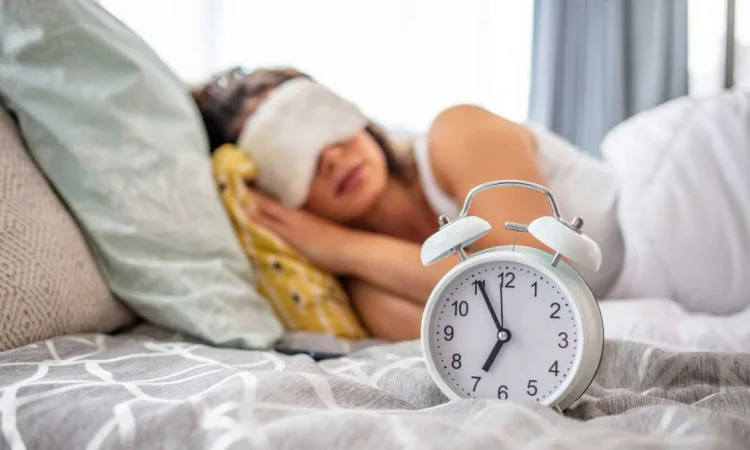
  1. Focus on Sleep Quality: Adequate sleep reduces stress, supports metabolism, and lowers blood pressure. Aim for 7–9 hours per night.

  2. Stress Management: Chronic stress negatively affects heart health. Incorporate mindfulness, meditation, yoga, or breathing exercises into daily routines.

  3. Social Connections: Strong relationships and community engagement are linked to lower rates of heart disease and improved mental health.

  4. Routine Screenings: Regular check-ups, blood pressure monitoring, and cholesterol tests allow for early detection and prevention of cardiovascular issues.

  5. Hydration and Balanced Electrolytes:  Maintain proper hydration with water and electrolyte-rich foods to support blood pressure and heart function.

Why Trending Wellness Hacks Can Be Dangerous

Social media platforms like TikTok thrive on short, eye-catching videos, which often prioritize entertainment over accuracy. Viral health trends may ignore critical factors:

  • Individual Differences: What works for one person may harm another, especially for those with existing heart conditions.

  • Scientific Evidence: Many trends lack peer-reviewed studies to support their claims.

  • Long-Term Safety: Quick fixes rarely address sustainable lifestyle changes, which are essential for lasting heart health.

By consulting medical professionals and relying on evidence-based practices, you can protect your heart while avoiding trendy pitfalls.

Conclusion

Wellness trends can be fun, inspiring, and motivating, but when it comes to your heart, caution is paramount. Detoxes, extreme exercise regimens, and unregulated supplements may promise quick results but carry serious cardiovascular risks.

Top heart doctors emphasize that sustainable, science-backed lifestyle practices, balanced nutrition, moderate exercise, adequate sleep, stress management, and regular medical check-ups are far more effective and safe than trendy hacks.

Your heart is too valuable for shortcuts. Instead of chasing viral trends, focus on long-term habits that promote vitality, resilience, and longevity. By doing so, you’ll enjoy real wellness benefits without compromising your cardiovascular health.



About the Author

Professor James Anderson

Professor James Anderson is a journalist who focuses on higher education trends and workforce development. Their approach combines labor market analysis with curriculum design research. They examine how educational programs align with employment demands and career pathways. They frequently investigate the skills gap between graduate preparation and employer expectations. Their coverage includes vocational training, professional certifications, and continuing education models. They are known for tracking graduate outcomes and employment statistics across different programs. Their perspective is informed by conversations with university administrators, career counselors, and hiring managers. They write about competency-based education, micro-credentials, and alternative learning pathways. They emphasize the importance of practical skills alongside theoretical knowledge. Their work illuminates how education systems adapt to changing workforce needs.

Comments

Join the discussion and share your thoughts.

No comments yet. Be the first to comment.

Leave a Reply

Your email address will not be published.

Related Posts

Remote Work Burnout: Signs, Prevention, and Recovery Strategies

Remote Work Burnout: Signs, Prevention, and Recovery Strategies

The transition to remote work has reshaped our professional lives, offering flexibility and autonomy. However, it has also introduced new challenges, notably the risk of burnout. Understanding the signs of remote work burnout, implementing preventive measures, and adopting effective recovery strategies are crucial for maintaining well-being and productivity.

Posted on: by Thomas
Pioneering Health: Pharma Leadership in Emerging Economies

Pioneering Health: Pharma Leadership in Emerging Economies

The pharmaceutical industry has long been a cornerstone of global health, driving innovation, research, and patient care. While traditionally dominated by companies in developed economies, emerging markets are now at the forefront of transformative change in the sector. Countries across Asia, Africa, and Latin America are witnessing a surge of local and multinational pharmaceutical leaders who are redefining healthcare delivery, accessibility, and innovation.

Posted on: by Robert Taylor
From ‘Let Them Theory’ to Lifestyle: Why Letting Go Is a Movement

From ‘Let Them Theory’ to Lifestyle: Why Letting Go Is a Movement

In a culture obsessed with control, perfection, and constant optimization, the simple act of letting go can feel revolutionary. From micromanaging work projects to overthinking relationships, modern life often pressures us to control outcomes, track every detail, and predict every challenge. Yet, there is a growing movement that challenges this paradigm, a lifestyle rooted in letting go.

Healthcare
Joaquin Duato: Leading Johnson & Johnson Through the Digital Health Revolution

Joaquin Duato: Leading Johnson & Johnson Through the Digital Health Revolution

In today’s era of unprecedented innovation, one name stands out in the global healthcare industry: Joaquin Duato. As Chairman and CEO of Johnson & Johnson, the world’s largest and most diversified healthcare products company, Duato embodies visionary leadership, technological foresight, and a relentless commitment to patient well-being. His journey from a healthcare-rooted family in Valencia, Spain, to the boardroom of a healthcare giant reflects an inspiring narrative of purpose-driven leadersh

Healthcare
How Orthopedic Technology Is Helping Employers Reduce Workers’ Compensation Costs?

How Orthopedic Technology Is Helping Employers Reduce Workers’ Compensation Costs?

The past few years have seen dramatic changes in workers’ compensation in several aspects. There is an increased focus on workplace safety & injury prevention. This is being integrated with companies that are actively participating in creating a safe work environment. Orthopedic technology imparts a helping hand to the employees in a factory who’ve been injured during the tenure of their service. Also, the employees are helped who are years in service & are close to retirement. All of this is in

Healthcare
Wellness Trends to Skip in 2025: From Extreme Biohacking to Toxic Positivity

Wellness Trends to Skip in 2025: From Extreme Biohacking to Toxic Positivity

Wellness trends come and go, often promising quick fixes, life-changing results, or the ultimate path to happiness and health. While some trends genuinely enhance well-being, others are overhyped, misguided, or even harmful. As we enter 2025, it’s crucial to distinguish science-backed practices from fads that waste time, money, or emotional energy.

Healthcare
The Global Wellness Revolution: Shaping a Healthier Future for All

The Global Wellness Revolution: Shaping a Healthier Future for All

In today’s fast-paced world, the pursuit of wellness has become more than a trend—it is a way of life. Across continents and cultures, people are prioritizing their physical, mental, and emotional well-being like never before. The global wellness industry, valued at over $5 trillion and growing steadily, reflects this profound shift toward holistic health. From personalized wellness programs and digital health innovations to eco-friendly beauty and mindfulness practices, the industry is reshapin

Healthcare
Cold Water Therapy and Cardiovascular Health: Safe or Risky?

Cold Water Therapy and Cardiovascular Health: Safe or Risky?

Opting for cold water therapy has become a popular trend these days over the internet. You can see a lot of celebs, influencers & prominent personalities trying this trend. The trend is known as the polar bear plunge in anticipation of raising funds for a social cause. When exposed to cold water it enhances blood pressure and fat levels for those who’re in good health generally. Our hearts work harder when we’re moving through water than when we’re on land.

Healthcare
Mental Health Matters: Coping with Loneliness as a Remote Worker

Mental Health Matters: Coping with Loneliness as a Remote Worker

Remote work has transformed the modern workplace, offering unparalleled flexibility, freedom, and the opportunity to work from virtually anywhere. For many professionals, it’s a dream come true. But alongside these benefits comes a significant challenge: loneliness and social isolation . Working remotely often means fewer face-to-face interactions, limited casual conversations, and the absence of a traditional office community. Over time, this can impact mental health, productivity, and overall

Healthcare
Minimalism Isn’t About Less, It’s About What Matters Most

Minimalism Isn’t About Less, It’s About What Matters Most

In an age defined by excess, accumulation, and constant noise, the idea of minimalism has struck a deep chord with those yearning for clarity, calm, and purpose. Often misunderstood as a lifestyle of deprivation or stark aesthetics, minimalism is not about living with as little as possible. Instead, it’s a powerful mindset, one that shifts the focus from more to meaning , from quantity to quality, and from clutter to clarity.

Healthcare