


In an era defined by rapid change, hyperconnectivity, and constant stimulation, mental health has emerged as a global priority. As the stigma around mental wellbeing dissolves and conversations become more open, technology is stepping in to provide new pathways for support, self-care, and healing. Welcome to the digital age of wellness, where mental health tech & apps are leading a quiet but powerful revolution.
From AI-powered therapy bots to mood-tracking wearables and mindfulness apps, mental health tech is more advanced, accessible, and intuitive than ever before. These tools are not just responding to crises; they are proactively helping people build healthier, more resilient lives.
In this article, we explore how mental health tech & apps are reshaping personal wellbeing, clinical therapy, workplace culture, and even global healthcare systems.
Why Mental Health Tech & Apps Matter More Than Ever in 2025
The statistics are sobering: depression is now the leading cause of disability worldwide, anxiety affects over 300 million people globally, and burnout is at an all-time high. Traditional therapy and in-person interventions, while still crucial, can’t scale fast enough to meet demand.
That’s where mental health tech & apps come in.
1. Accessibility
Tech solutions break down barriers, location, cost, and stigma, and bring mental health support to anyone with a smartphone.
2. Real-Time Support
Apps and devices provide help in the moment, whether it’s a meditation session during a panic attack or an AI therapist offering coping tools after midnight.
3. Personalization
Data-driven tools analyze individual patterns and tailor interventions, helping users understand themselves and their triggers better than ever before.
4. Preventive Care
Rather than waiting until things go wrong, mental health tech encourages daily habits and micro-actions that build resilience.
Top Categories of Mental Health Tech & Apps in 2025

1. AI-Powered Therapy Bots
Apps like Wysa and Woebot use conversational AI to simulate therapy-like interactions. While they don't replace human therapists, they serve as a first line of support, especially for those uncomfortable with traditional counseling.
2. Mindfulness and Meditation Platforms
Apps such as Headspace, Calm, and Insight Timer offer guided meditations, breathing exercises, and sleep aids. These are now enhanced with AI, adapting to your mood, time of day, and behavior patterns.
3. Mood Tracking and Journaling Tools
Apps like Daylio or MoodKit let users track emotions, energy levels, and thoughts. Over time, these data insights help individuals recognize patterns and triggers.
4. Wearable-Integrated Mental Health Devices
Smartwatches and fitness bands now go beyond heart rate; they monitor stress levels, sleep cycles, and even electrodermal activity (EDA), providing alerts and wellness prompts in real time.
5. Therapist Matching and Online Counseling Platforms
Platforms like BetterHelp or Talkspace connect users to licensed therapists virtually, offering flexible sessions, text-based counseling, and subscription plans.
Innovations Driving Mental Health Tech & Apps in 2025
1. Artificial Intelligence and Machine Learning
AI is now capable of detecting nuanced emotional cues in text, voice, and facial expressions. This allows apps to offer hyper-personalized responses, simulate empathy, and even flag signs of distress.
2. Voice and Sentiment Analysis
Your voice can reveal more than words. New apps analyze speech tone, pace, and energy to detect mood changes and provide mental health scores over time.
3. Augmented Reality for Anxiety Management
AR tools can immerse users in calming environments or simulate social scenarios for people with phobias, offering safe exposure therapy from home.
4. Biofeedback and Neurotech Integration
Neurofeedback devices now train users to regulate brain waves and manage anxiety, ADHD, or PTSD. Some headsets provide real-time feedback on focus and calmness.
5. Digital Companions and Avatars
From customizable AI friends to virtual therapy animals, digital companions offer support to those who feel isolated or socially anxious.
Benefits of Mental Health Tech & Apps
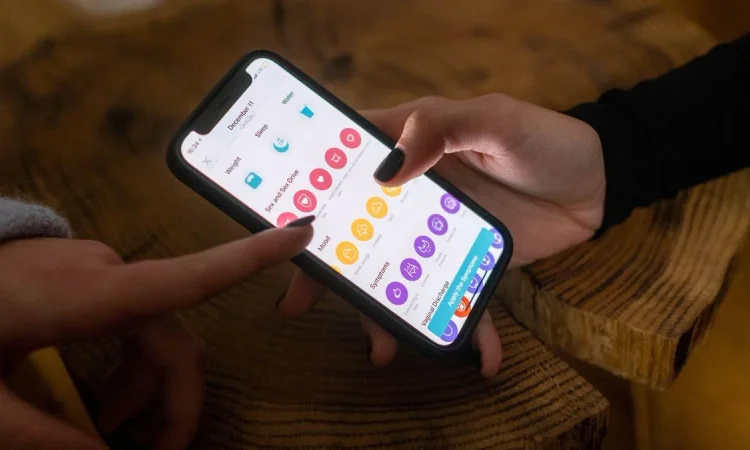
1. Anonymity
Users can seek support without revealing their identity, which is especially helpful in conservative cultures or among teens.
2. 24/7 Availability
Unlike therapists, tech tools are available anytime, anywhere, making them ideal for emergencies or midnight stress spirals.
3. Scalability
One app can serve millions, making it an efficient tool for large organizations, educational institutions, or public health systems.
4. Cost-Effective
While therapy can be expensive, many mental health tech & apps offer free tiers, trials, or affordable subscriptions.
Limitations and Considerations
While mental health tech is promising, it isn’t a silver bullet. Important concerns include:
Data privacy: Sensitive mental health data must be protected with strict encryption and user consent.
Not a replacement for therapy: AI cannot replicate human empathy or handle complex trauma cases.
Over-reliance: Some users may rely too heavily on apps and avoid seeking real help when needed.
Cultural sensitivity: Many apps are developed in Western contexts and may not reflect global mental health realities.
Therefore, a hybrid model, tech-supported but human-led, is emerging as the most effective approach.
Mental Health Tech in the Workplace
Corporate wellness is no longer a perk; it’s a necessity. Companies in 2025 are integrating mental health tech & apps into daily workflows:
Employee wellness platforms that offer check-ins, guided breathing breaks, and stress tracking
Anonymous mental health support chatbots in company Slack or Teams
VR meditation rooms for remote or hybrid workers
Real-time burnout risk dashboards for HR leaders (anonymized and ethically managed)
This tech-first approach is boosting productivity, reducing absenteeism, and improving employee morale, making it both a compassionate and strategic investment.
The Rise of Community-Based Mental Health Platforms
Beyond self-help tools, mental health tech & apps are now fostering peer-to-peer communities. Apps like 7 Cups connect users with trained listeners. Forums and group therapy apps provide spaces for people with shared struggles, like new parents, veterans, or people with chronic illness, to support each other.
Community-driven platforms reduce isolation and normalize emotional expression, particularly in groups where therapy might still be taboo or inaccessible.
The Future of Mental Health Tech & Apps

Looking ahead, several exciting developments are on the horizon:
Emotionally intelligent AI that understands context and nuance better
Multi-language and regional versions of popular apps for global impact
Gamified therapy models that make healing more engaging
Real-time crisis detection tools that alert support networks or professionals
Integration with primary healthcare for a holistic health experience
By 2030, every major healthcare system will likely include mental health tech as part of regular diagnostics and wellness care.
Tips for Choosing the Right Mental Health Tech & Apps
With so many options, here’s how to find what’s right for you:
Define your goal: Are you managing stress, anxiety, or just trying to build healthier habits?
Check for credibility: Look for apps created by or in partnership with mental health professionals.
Read reviews and ratings: Peer feedback can highlight real-world pros and cons.
Try before you commit: Use free trials or demo versions before paying.
Balance screen time: Use tech to disconnect, too. Don’t trade one stressor for another.
Final Thoughts: Technology That Heals
Mental health tech & apps are not just innovations, they are lifelines. In a world where mental health is finally being prioritized, these tools offer hope, access, and empowerment. They remind us that healing can happen anytime, anywhere, and that help is never farther away than your pocket.
Technology can’t replace human connection, but when designed with empathy and care, it can amplify it. Whether you're seeking inner peace, community, or support for a tough moment, this new generation of digital tools is here to guide you, one notification, breath, or chat at a time.
The future of mental wellness isn’t just in clinics, it’s in code, connection, and compassion.









Leave a Reply
Your email address will not be published.