

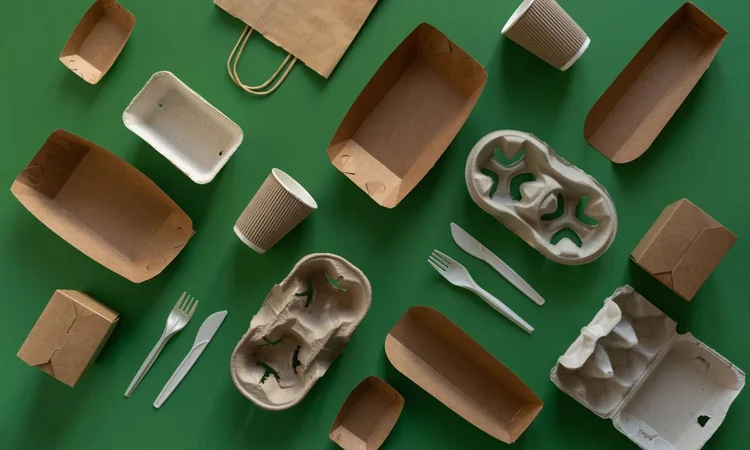
In today’s world of heightened environmental awareness and sustainability demands, packaging is under the spotlight like never before. Rather than merely protecting a product, packaging is now expected to serve ethical, ecological, and circular-economy purposes. At the heart of this transformation is design thinking, a human‑centered, iterative, and creative approach that’s enabling companies to rethink packaging from the inside out. In this article, we explore how design thinking principles are driving greener packaging solutions that benefit people, planet, and profit.
1. What Is Design Thinking, and Why It Matters in Packaging?
Design thinking is a user‑centric problem‑solving methodology with five core stages:
Empathize – Learn about user needs, environmental goals, and how packaging fits into people’s everyday lives.
Define – Clearly articulate the sustainability challenge (e.g., excessive plastic, poor recyclability, high carbon footprint).
Ideate – Brainstorm and generate a wide range of innovative ideas—from novel materials to circular systems.
Prototype – Quickly build low‑cost mock‑ups for testing material, structure, messaging, and usability.
Test – Validate with users, recyclers, supply‑chain partners, and iterate until an optimal solution emerges.
This mindset shifts packaging away from a commodity mindset (“just wrap it”) toward purposeful design. It drives inclusion of environmental, social, and user considerations at every stage. And critically, it helps teams start small, fail fast, and learn quickly, minimizing costly late-stage pivots.
2. The Sustainability Imperative for Packaging
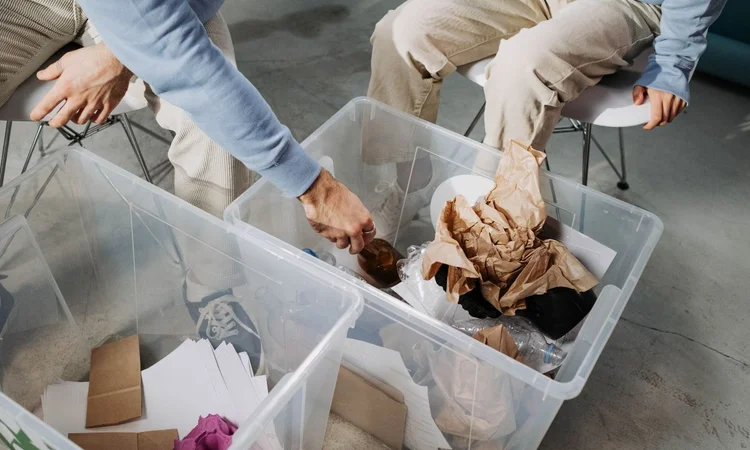
The scale of packaging waste and its ecological impact is staggering:
Worldwide, packaging accounts for 30% of all solid waste, with plastic and multilayer materials particularly difficult to recycle.
Inefficient packaging designs contribute to carbon emissions, resource depletion, and ocean pollution.
Consumers and regulators are demanding change, extended producer responsibility (EPR) regulations now require brands to take accountability for end-of-life packaging.
In response, brands face pressure to reduce virgin use, shift to reusable/refillable formats, and ensure materials can re-enter the circular economy. But achieving these goals requires more than swapping materials, it needs deep user understanding, supply‑chain rethinking, and bold redesign efforts.
3. Where Design Thinking Has Made a Difference
A) Empathy Leads to Reduced-Impact Packaging Formats
Through empathetic research, interviews, observation, real‑life testing, design teams uncover real behavior: how consumers open, store, carry, and dispose of packaging. Insights can lead to:
Refillable formats that consumers are more likely to reuse (e.g. concentrate pods vs. single‑use pouches).
Lightweighting by trimming packaging without compromising functionality because users don’t actually require excess structure or volume.
Modular designs, allowing consumers to buy larger refills, reducing secondary packaging waste per use.
B) Sustainable Materials by Ideating Beyond the Usual Suspects
Design thinking encourages ideation beyond standard materials. Teams might explore:
Plant‑based or compostable films, such as those derived from sugarcane, mycelium, or algae.
Mono‑polymer packaging for easier recycling compared to multi‑layer laminates.
Innovations in barrier coatings that reduce the need for synthetic multilayer films altogether.
Rapid prototyping lets designers quickly test material performance, recyclability, user feel, and visual appeal, and choose winners for scale.
C) Prototyping for Real‑World Conditions
What looks good in theory may fail in real logistics. Prototyping helps brands test:
Shelf life and barrier performance under temperature/humidity cycles.
Stackability for transportation and storage.
Consumer usability, opening, pouring, returning/refilling, and recyclability in user-tested disposal environments.
Feedback drives informed iteration: maybe a compostable film tears too easily, or a refill pouch leaks when dropped. Iteration ensures the final design works reliably at scale.
D) Testing with Stakeholder Systems: Closing the Loop
Design thinking extends beyond consumer testing to the wider circular ecosystem:
Testing packaging recyclability in actual recycling streams (e.g. curbside, industrial compost).
Collaborating with material recovery facilities (MRFs) to ensure compatibility.
Partnering with retailers and logistic providers to ensure the new packaging integrates logistically.
By prototyping and testing with all stakeholders, brands ensure that the packaging truly functions in the real system, not just the lab.
4. Inspiring Real-World Examples
• Loop Reusable System
Loop partners with brands in FMCG and in-home products to offer durable, refillable containers using a return‑&‑refill delivery system. Through prototyping, logistical testing, and consumer feedback, they’ve refined containers to be robust, easy to clean, and re‑shipping-friendly.
• Ecovative MycoComposite Packaging
Using design thinking, Ecovative developed mushroom‑based foam packaging that biodegrades harmlessly. Through iterative material prototyping, they achieved compressive strength comparable to polystyrene blocks.
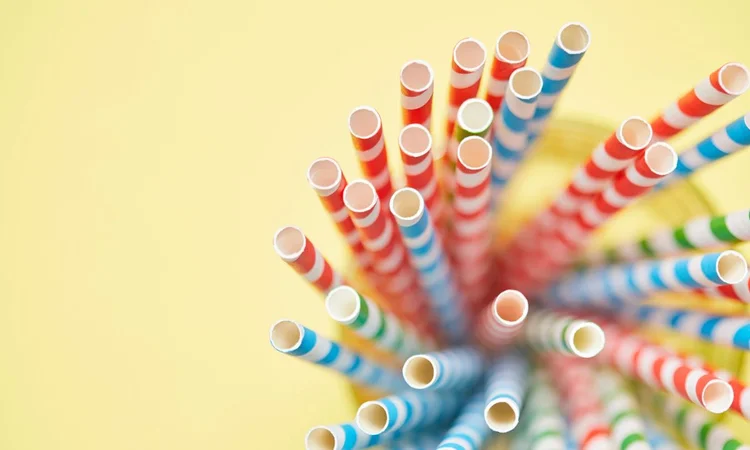
• Paper Straw Alternatives
Driven by consumer discomfort with soggy paper straws, designers prototyped multiple versions of coated paper, wheat‑based, and cellulose straws until they hit formats that remained rigid, compostable, and enjoyable to use.
5. Key Principles for Packaging with Purpose
From these case studies, five actionable lessons emerge:
Start with users plus ecosystem partners – speak with end consumers and material recovery/supply‑chain actors.
Prototype early, prototype often – rapid mock-ups across materials, structural formats, closure systems.
Favor mono-material and circular systems – seek ease of mechanical recycling or compostability.
Design for reuse and refill – reduce single‑use wherever possible, encourage consumer participation.
Track environmental impact throughout – conduct life-cycle assessments (LCA) to quantify carbon, water, waste savings, and iterate toward real impact.
6. Designing for Challenges and Trade-Offs
While compelling, sustainable packaging isn’t without challenges:
Material Costs & Scalability: New bio-materials can cost more or struggle to scale. Design thinking mitigates risk by testing small, bundling materials with high-use value products, or gradually shifting.
Recyclability vs. Performance: Sometimes, fully recyclable material can't deliver shelf life or barrier functionality. Instead of compromising, design thinking enables packaging systems, e.g,. combining minimal liners with reusable outer shells.
Consumer Behavior Change: Encouraging reuse or correct disposal takes behavior design, clear labeling, intuitive shapes, and easy-to-follow instructions. Empathy in early stages ensures higher adoption.
Complex Regulations: Compostable certifications, food contact approval, and recycling standards vary; teams must collaborate early with regulatory and recycling-system experts so that prototypes comply.
These challenges underscore the need for cross-functional design teams, packaging experts, material scientists, logistics, sustainability officers, and designers, all working imaginatively.
7. The Future: Smart Packaging and Systems Approach
Emerging trends point to further convergence with digital and systems thinking:
Smart Packaging Integration: QR codes or NFC chips enable tracking of usage, digital reuse reminders, recycling instructions, or loyalty incentives for returning containers. That behavior data guides further packaging evolution.
Closed‑Loop Logistics: Brands like Loop and some regional grocery chains pilot refill‑stations, bulk dispensers, and return‑pack machines for take-back, all designed through iterative prototyping.
Material Circularity Networks: Industrial symbiosis, such as recycling compostable packaging in city municipal compost systems, requires system design beyond packaging itself.
Design thinking at the system level ensures packaging isn’t isolated but part of broader sustainable value chains.
8. Getting Started: How Brands Can Embed Design Thinking

If your team wants to launch a purposeful packaging initiative:
Form interdisciplinary teams early: include designers, materials people, marketers, supply‑chain pros, and sustainability champions.
Begin with empathy: conduct shadowing studies of users disposing or refilling packaging. Interview recycle‑center operators. Invite retailers into early workshops.
Prototype beyond materials: create mock‑ups that test structure, cost, stacking, shipping, ergonomics, not just visuals.
Iterate in low stakes: small pilot runs, limited regions, reusable pilots in controlled user groups.
Measure impact: baseline your packaging carbon, waste, recyclability, then track improvements and report publicly.
Collaborate with ecosystem players: recycling centers, municipal programs, logistics firms, compost facilities, NGOs, regulators, to ensure system viability.
9. Conclusion: Packaging as Purposeful Design
We’ve crossed from packaging as disposable commodity to packaging as purposeful, circular-system thinking. Design thinking offers not just creative ideas, but a repeatable, human‑centered method for building packaging solutions that work in the real world, delight consumers, and restore ecosystems.
By empathizing holistically, iterating quickly, testing deeply with users and partners, and considering full‑life‑cycle systems, brands can lead us into a green future where packaging isn’t just minimized, it’s meaningful.
If you're interested in specific paths, like compostable barriers, refill systems, or behavior‑centric reuse flows, let me know, and I can dive into those.





Leave a Reply
Your email address will not be published.