

How Innovative Companies Are Redefining Sustainability, One Package at a Time
In an era where environmental consciousness is no longer a choice but a necessity, zero-waste packaging has emerged as a pivotal solution in reducing global pollution. Traditional packaging, particularly plastic, has long been a culprit of environmental degradation, clogging landfills and oceans with non-biodegradable waste. As the world shifts toward a circular economy, zero-waste packaging offers a compelling way forward.
Leading global brands are now pioneering innovative, sustainable packaging strategies, transforming how goods are wrapped, delivered, and disposed of. These companies aren’t just cutting waste, they’re rewriting the rules of packaging. In this article, we’ll explore the core principles of zero-waste packaging, why it matters, and which brands are setting the gold standard in this space.
What Is Zero-Waste Packaging?
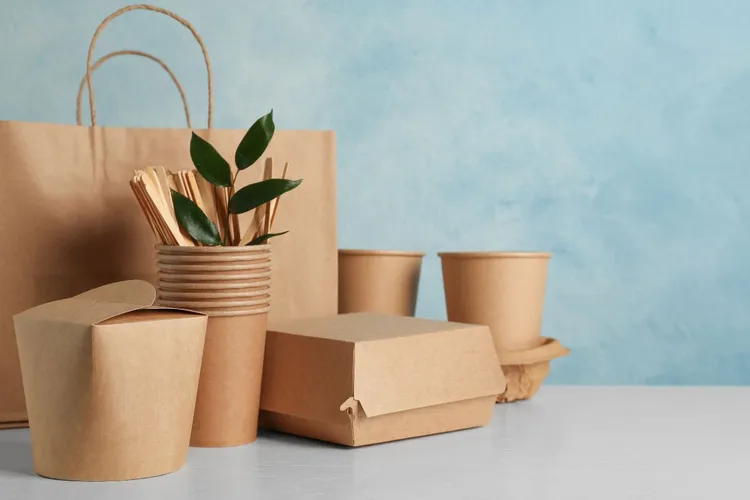
Zero-waste packaging refers to materials and design strategies that aim to eliminate waste at every stage of a product's lifecycle. The goal is simple yet powerful: reduce the environmental impact by ensuring that packaging is reusable, recyclable, compostable, or biodegradable.
Key characteristics of zero-waste packaging include:
Minimalist Design: Less material usage overall.
Reusability: Packaging that serves a second life.
Compostability or Biodegradability: Designed to break down naturally.
Recyclability: Easy to process through existing recycling systems.
No Single-Use Plastics: Emphasis on alternatives like glass, aluminum, cardboard, or plant-based materials.
Why It Matters: The Global Packaging Problem
According to the United Nations, the world generates over 300 million tons of plastic waste annually, and nearly half of all plastic produced is for single-use packaging. The consequences include:
Pollution of oceans and ecosystems
Greenhouse gas emissions from production and incineration
Non-renewable resource depletion
Switching to zero-waste alternatives isn’t just about corporate responsibility; it’s essential for planetary survival.
Trailblazers of Zero-Waste Packaging
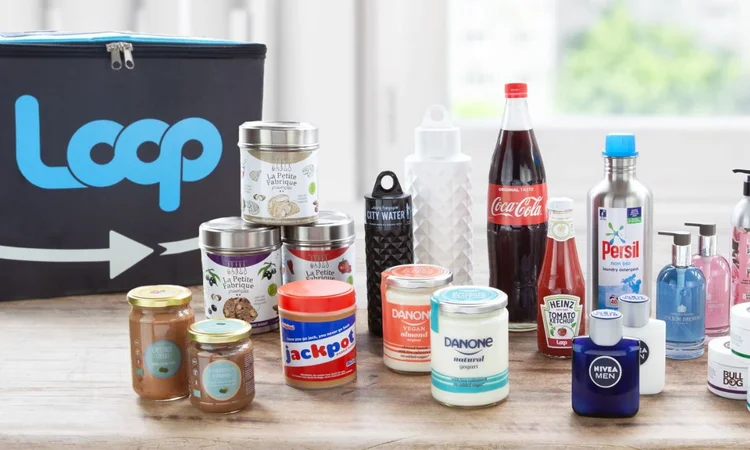
Let’s take a closer look at the companies leading the charge in this revolutionary space:
1. Loop by TerraCycle
Model: Reusable Packaging Platform
Loop is one of the most disruptive systems redefining the packaging landscape. Created by recycling pioneer TerraCycle, Loop partners with major brands to offer everyday products in durable, reusable containers that are returned, cleaned, and refilled, like the modern-day milkman model.
Brands using Loop:
Nestlé
Unilever
Coca-Cola
The Body Shop
By creating an infrastructure for reuse, Loop has eliminated millions of single-use packages while proving that convenience and sustainability can go hand in hand.
2. Lush Cosmetics
Model: Naked Packaging
Lush is a beauty brand known for its bold and effective stand against waste. Over 40% of its products come in "naked" (package-free) form, including solid shampoos, conditioners, and body lotions. For the rest, they use 100% post-consumer recycled (PCR) plastic pots, which can be returned for store credit and recycled into new packaging.
Innovative Actions:
In-store recycling incentives
Compostable gift wrap
Advocacy for zero-waste legislation
3. Patagonia
Model: Eco-Packaging with Circular Intent
Patagonia, already a leader in sustainable fashion, has also taken strides in eco-friendly packaging. They’ve replaced traditional polybags with paper alternatives and ensure that all mailing materials are recycled and recyclable.
They go a step further by educating their customers on proper disposal, thereby supporting a closed-loop system.
4. Alter Eco
Model: Compostable Packaging in Food
Alter Eco, a food company known for its chocolates and quinoa, uses fully compostable wrappers made from renewable materials like eucalyptus and birch. Their “Gone4Good” program is a packaging model designed to leave zero environmental footprint.
Notable Achievements:
First chocolate brand to use compostable wrappers
FSC-certified paperboard boxes
Advocacy for regenerative agriculture
5. Just Salad
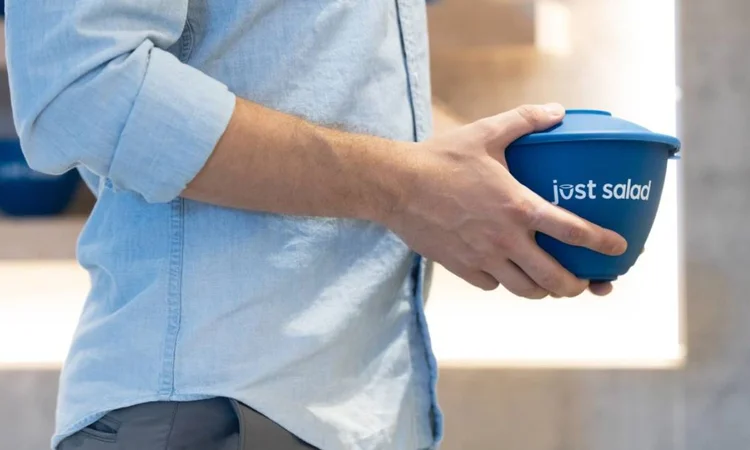
Model: Reusable Bowl Program
In the fast-casual dining space, Just Salad is showing that reusable to-go containers can scale. Customers purchase a reusable bowl, receive a discount each time they use it, and contribute to massive waste reduction.
Impact:
Millions of single-use containers are diverted from landfills
The program was replicated by other food brands
6. Notpla
Model: Edible and Biodegradable Seaweed Packaging
This UK-based startup develops zero-waste packaging made from seaweed and plants, which is edible and compostable. Its product, Ooho!, replaces plastic water bottles with a seaweed-based alternative.
Recent Projects:
Biodegradable condiment sachets
Eco-packaging for sports events (e.g., London Marathon)
The Business Case for Zero-Waste Packaging
Far from being a fringe movement, zero-waste packaging is becoming a competitive advantage. Here’s why brands are jumping on board:
Consumer Demand: 74% of consumers are willing to pay more for sustainable packaging (Trivium Packaging 2024 report).
Brand Loyalty: Eco-conscious practices create stronger emotional connections with customers.
Regulatory Compliance: Many countries are enacting bans on single-use plastics and enforcing EPR (Extended Producer Responsibility).
Cost Savings: Over time, reusable and minimal packaging systems reduce material and shipping costs.
Barriers to Implementation
Despite the momentum, challenges persist:
Infrastructure Gaps: Not all cities support composting or recycling of advanced materials.
High Upfront Costs: Compostable or reusable alternatives can be expensive initially.
Consumer Habits: Changing user behavior is harder than creating the solution.
However, with education, investment, and innovation, these obstacles are increasingly being overcome.
Future Outlook: What’s Next for Zero-Waste Packaging?
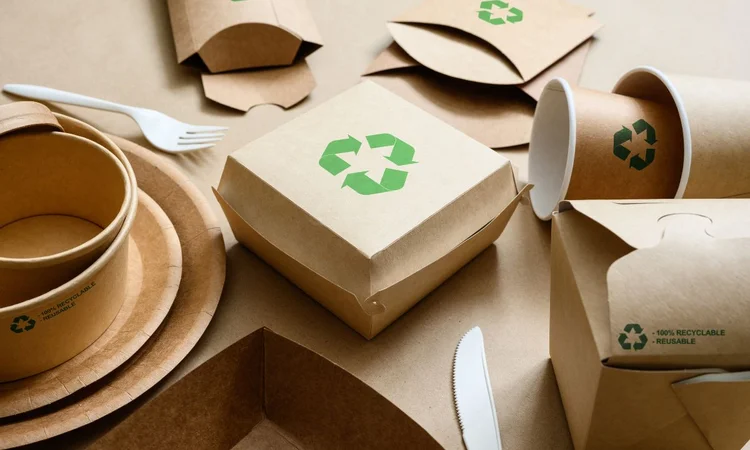
By 2030, it’s expected that:
The majority of FMCG brands will have sustainability-focused packaging policies.
Digital watermarks on packaging will help sort recyclables more efficiently.
Materials innovation will give rise to more edible, dissolvable, and regenerative packaging options.
Closed-loop systems like Loop will become common in retail and e-commerce.
Sustainability won’t be a USP; it will be a baseline expectation.
Conclusion
Zero-waste packaging is no longer just a trend; it’s a necessity and a movement. The brands we’ve highlighted are proving that it’s possible to scale sustainability while maintaining profitability and consumer appeal. By prioritizing planet-first solutions, these pioneers are influencing entire industries to think outside the (plastic) box.
As consumers, we can support these initiatives by choosing eco-friendly brands, recycling properly, and demanding accountability from businesses. And as more companies recognize the environmental and economic value of sustainable practices, zero-waste packaging will become the new norm, not the exception.





Leave a Reply
Your email address will not be published.