

Personalized Learning: How EdTech Innovations Are Tailoring Education to Every Student?

Thomas
Thomas

In today’s diverse classrooms, the one-size-fits-all approach can no longer suffice. Personalized learning is the go-to strategy adopted by EdTech innovations these days. It integrates the fact of every child having own pace of learning & grasping the teachings. In the digital age, education is of course undergoing a transformational change. According to Statista, the EdTech market is projected to reach a value of $289.3 billion by 2029, up from $198.2 billion at the end of 2024.

As educational institutions, educators, and policymakers embrace personalized learning, the question arises: how can these EdTech innovations truly cater to every student while ensuring accessibility, scalability, and effectiveness?

The Rise of Personalized Learning in Education

Personalized learning is a student-centric approach that moves away from the traditional one-size-fits-all method. Instead of a fixed curriculum, students receive tailored learning experiences based on their strengths, weaknesses, and pace of learning. The rise of digital tools has made this model more feasible, with EdTech innovations driving major changes in the way students acquire knowledge.

Key Components of Personalized Learning

  1. Adaptive Learning Platforms – AI-driven tools analyze student performance and adjust content to match their learning pace and understanding levels.

  2. Data-Driven Insights – Advanced analytics help educators identify areas where students need improvement and provide targeted interventions.

  3. Gamification and Interactive Content – Engaging learning experiences, such as gamified lessons, keep students motivated and enhance knowledge retention.

  4. AI Tutors and Virtual Assistants – AI-powered chatbots and digital tutors provide real-time support, answering student queries and guiding them through complex topics.

  5. Blended Learning Models – Combining online and in-person instruction allows for a more flexible and customized learning experience.

How EdTech Innovations Are Transforming Personalized Learning?
1. AI and Machine Learning in Personalized Education

AI is one of the most significant EdTech innovations driving personalized learning. Intelligent algorithms assess students’ progress, recommend resources, and predict future learning needs. AI-driven systems like Carnegie Learning and Squirrel AI help students master concepts at their own pace, reducing learning gaps and improving outcomes.

2. Big Data Analytics for Tailored Learning Paths

Big data is playing a crucial role in refining personalized learning. Learning management systems (LMS) like Blackboard and Moodle collect student interaction data, helping educators tailor lessons accordingly. This data-driven approach ensures that each student receives an individualized education roadmap.

3. Virtual and Augmented Reality for Immersive Learning

Virtual reality (VR) and augmented reality (AR) are redefining how students interact with educational content. Tools like Google Expeditions and zSpace allow learners to explore virtual environments, making subjects like history, science, and mathematics more engaging and accessible.

4. Blockchain for Secure and Transparent Learning Records

Blockchain technology is enhancing the security and transparency of student credentials. Platforms like Learning Machine and Blockcerts store academic achievements on decentralized ledgers, ensuring the authenticity and portability of learning records across institutions and employers.

5. Gamification and Engagement Strategies

Gamification, one of the most impactful digital learning, uses game-like elements to boost student engagement. Apps like Kahoot! and Duolingo apply points, badges, and challenges to make learning interactive and enjoyable.

The Benefits of Personalized Learning Through EdTech Innovations
1. Improved Student Engagement and Retention

By tailoring content to individual needs, EdTech innovations keep students engaged, reducing dropout rates and improving retention.

2. Higher Academic Performance

Students learn at their own pace, ensuring they grasp foundational concepts before moving on to advanced topics.

3. Better Teacher Support and Efficiency

Educators can use data insights to track progress, provide targeted support, and optimize lesson plans.

4. Equitable Access to Education

Personalized learning makes quality education accessible to students from diverse backgrounds, including those with learning disabilities or limited access to traditional schools.

Challenges and Considerations in Implementing Personalized Learning

1. Data Privacy and Security

With the growing use of AI and big data, protecting student information is a major concern. Schools and institutions must implement robust cybersecurity measures to prevent data breaches.

2. Teacher Training and Adaptation

Educators must be adequately trained to integrate AI in education into their teaching methodologies effectively.

3. Access and Infrastructure Gaps

Not all students have equal access to technology, especially in underprivileged areas. Bridging this digital divide is essential to making personalized learning inclusive.

4. Balancing Technology with Traditional Learning

While EdTech innovations are powerful, they should complement, not replace, traditional face-to-face interactions with teachers.

The Future of Personalized Learning and EdTech Innovations
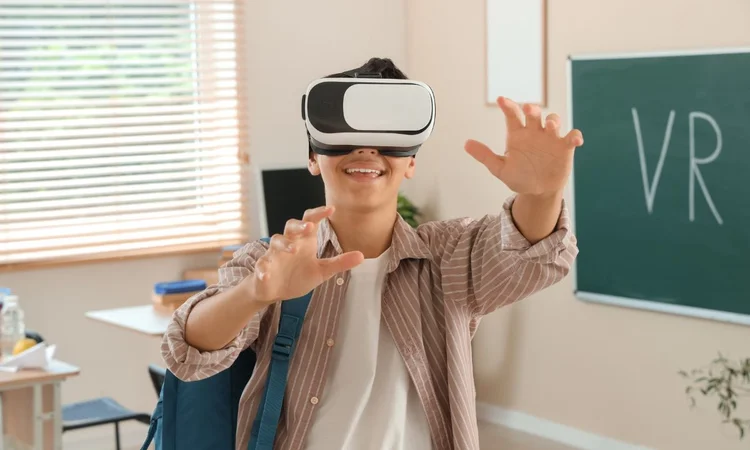
The future of education lies in the seamless integration of AI in education with personalized learning methodologies. Emerging trends such as AI-driven personalized tutors, immersive VR classrooms, and decentralized learning platforms are set to redefine the education landscape.

Governments, educational institutions, and technology providers must collaborate to create policies and frameworks that ensure the ethical and effective use of education tech.

Conclusion

EdTech innovations are revolutionizing the way students learn, making education more accessible, engaging, and tailored to individual needs. Personalized learning, powered by AI, data analytics, and immersive technologies, is set to shape the future of education. While challenges exist, the potential for EdTech innovations to transform learning experiences remains immense. By addressing implementation barriers and fostering collaboration among stakeholders, we can create an inclusive, efficient, and impactful education system for generations to come.


About the Author

Thomas
Thomas

Thomas Liu is a journalist who focuses on cybersecurity and digital infrastructure. Their approach combines threat analysis with security architecture evaluation. They examine how organizations protect systems, data, and users against evolving cyber threats. They frequently investigate security breaches to extract lessons about prevention and response. Their coverage includes authentication systems, network security, and incident response protocols. They are known for translating technical security concepts into risk management frameworks. Their perspective is informed by conversations with security engineers, CISOs, and threat researchers. They write about zero trust architecture, vulnerability management, and security operations. They emphasize proactive security posture over reactive patching. Their work helps organizations build comprehensive security programs that balance protection with operational efficiency.

Comments

Join the discussion and share your thoughts.

No comments yet. Be the first to comment.

Leave a Reply

Your email address will not be published.

Related Posts

Challenges and Opportunities in Scaling Adaptive Learning Technologies Globally

Challenges and Opportunities in Scaling Adaptive Learning Technologies Globally

Adaptive learning technologies are revolutionizing education and workforce training, offering a personalized approach to learning that adapts to individual needs. By leveraging artificial intelligence (AI) and machine learning, these technologies promise to transform how we acquire knowledge, improve skills, and address learning gaps. However, scaling these solutions on a global scale presents both significant challenges and exciting opportunities.

Posted on: by Rachel Kim
Accessible Education: Strategies for Supporting Students with Disabilities

Accessible Education: Strategies for Supporting Students with Disabilities

In an ideal educational system, every student is provided with the tools and resources they need to succeed, regardless of their challenges or disabilities. However, ensuring accessibility for students with disabilities remains a significant challenge in many educational institutions. Creating an inclusive learning environment requires not only compliance with regulations but also a shift in mindset, recognizing that every student deserves the opportunity to learn and thrive. In this article, we

Posted on: by David Park
How Cognitive Load Management Is Shaping Modern Education

How Cognitive Load Management Is Shaping Modern Education

In the rapidly evolving world of education, educators are constantly seeking new ways to improve learning outcomes. One of the key strategies gaining traction is cognitive load management. This concept revolves around optimizing how information is presented and processed in order to prevent cognitive overload, allowing learners to absorb and retain information more effectively. By integrating cognitive load management techniques into instructional design, modern education can be transformed to m

Education
A New Era of Learning: How Adaptive Education is Setting Students Up for Success

A New Era of Learning: How Adaptive Education is Setting Students Up for Success

In the rapidly evolving world of education, traditional one-size-fits-all approaches are being replaced with more personalized learning experiences. Adaptive education, powered by technology, is transforming the classroom by tailoring learning to each student's needs, strengths, and weaknesses. This innovative approach not only enhances the learning process but also ensures that students are set up for long-term success in both academic and real-world environments.

Education
The Intersection of Culture and Learning: Fostering a Holistic Education

The Intersection of Culture and Learning: Fostering a Holistic Education

In an increasingly interconnected world, education is no longer just about imparting knowledge. It’s about developing well-rounded individuals who understand and respect the diversity of cultures, beliefs, and perspectives that shape the world around them. The intersection of culture and learning plays a critical role in fostering a holistic education that prepares students for both personal success and global citizenship. In this article, we will explore how cultural awareness enhances the lear

Education
Unlocking Opportunities: How Micro-Credentials Are Reshaping Education

Unlocking Opportunities: How Micro-Credentials Are Reshaping Education

The traditional education system has long been the primary route for individuals to gain skills and qualifications. However, as the demand for practical, up-to-date knowledge continues to grow, there has been a shift towards more flexible and accessible forms of learning. One such innovation is micro-credentials . These small, focused qualifications are changing the way we think about education, offering a new way to gain specialized skills quickly and affordably.

Education
Creating Effective Hybrid Learning Environments: Strategies for Educators

Creating Effective Hybrid Learning Environments: Strategies for Educators

The evolution of education has seen a significant shift toward hybrid learning environments—combining traditional face-to-face instruction with online learning components. This model emerged out of necessity during the COVID-19 pandemic and has since proven to enhance educational accessibility and flexibility. However, creating an effective hybrid learning environment poses unique challenges for educators. This article explores key strategies to optimize hybrid learning experiences for students.

Education
EdTech Solutions for Remote Learning: Bridging the Gap in Education

EdTech Solutions for Remote Learning: Bridging the Gap in Education

The global shift to remote learning, accelerated by the COVID-19 pandemic, has highlighted both the challenges and opportunities presented by technology in education. As educators, students, and parents navigated this new landscape, the role of educational technology (EdTech) emerged as a pivotal factor in facilitating effective learning experiences. This article explores various EdTech solutions that bridge the gap in education, enabling equitable access to knowledge, fostering engagement, and

Education
Future of Education: Trends Shaping Online Learning Platforms in 2025

Future of Education: Trends Shaping Online Learning Platforms in 2025

The landscape of education is evolving at an unprecedented pace, especially in the wake of the global pandemic that accelerated the adoption of online learning. As we look toward 2025, several key trends are emerging that will shape the future of online learning platforms. This article explores these trends and how they are expected to influence educational practices, student experiences, and the overall effectiveness of online education.

Education
From Theory to Practice: The Benefits of Skill-Based Education

From Theory to Practice: The Benefits of Skill-Based Education

The traditional approach to education, largely centered around theoretical knowledge and academic instruction, is gradually evolving to meet the demands of the modern workforce. Today, employers are seeking individuals who can apply their knowledge to real-world scenarios, emphasizing the importance of practical skills. Skill-based education, which focuses on hands-on learning and competency development, is gaining momentum as a transformative model for both students and professionals. In this a

Education