

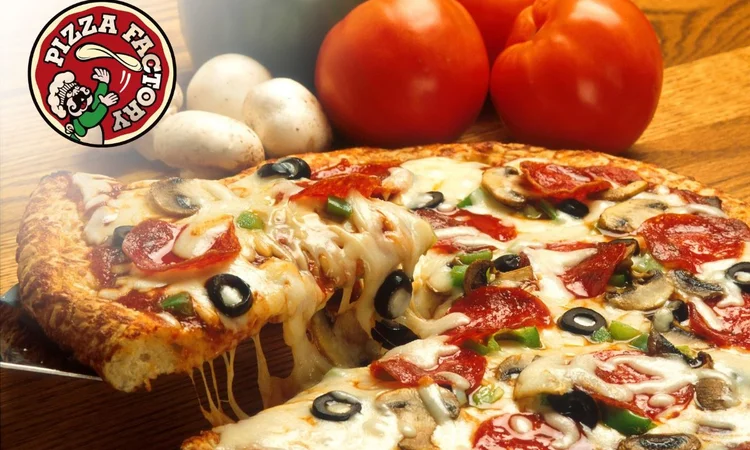
Pizza has long been one of the world’s most beloved comfort foods, uniting friends, families, and communities over its warm crust, savory toppings, and gooey cheese. Among the many pizza chains across the United States, Pizza Factory, Inc. has carved out a special place not just for its food, but for its strong community spirit, locally inspired dining culture, and unwavering commitment to quality.
From humble beginnings in the 1980s to becoming a well-loved franchise with locations across the country, Pizza Factory’s journey blends entrepreneurial grit with small-town values. This blog dives deep into the history, philosophy, menu, franchise model, and community impact of Pizza Factory, showing why it has remained a staple in towns large and small for decades.
The Origins: A Hometown Hero Story
Pizza Factory, Inc. was founded in 1985 in Oakhurst, California, a small community near Yosemite National Park. Its original vision wasn’t to become a mega-chain competing with pizza giants like Domino’s or Pizza Hut, but rather to create a neighborhood pizza shop where quality mattered, and where customers were more like family than faceless transactions.
The early success of Pizza Factory came not just from its menu, but from its community-first approach. Local sports teams found sponsorship, schools benefited from fundraisers, and families discovered a gathering place. Unlike the fast-paced, impersonal chains, Pizza Factory built its name on being a part of each town it served, a true hometown pizza joint.
A Brand Built on Community Spirit
The slogan, “We Toss ‘Em, They’re Awesome!”, isn’t just about pizza dough; it’s about how Pizza Factory tosses itself into the heart of the neighborhoods it serves. Every franchise location is encouraged to get involved locally, whether that’s hosting charity events, supporting schools, or simply being the go-to family restaurant where staff know regulars by name.
This philosophy has helped Pizza Factory grow without losing its identity. While other chains lean heavily on mass advertising and cookie-cutter operations, Pizza Factory thrives on personal touch and community loyalty.
Menu Highlights: More Than Just Pizza
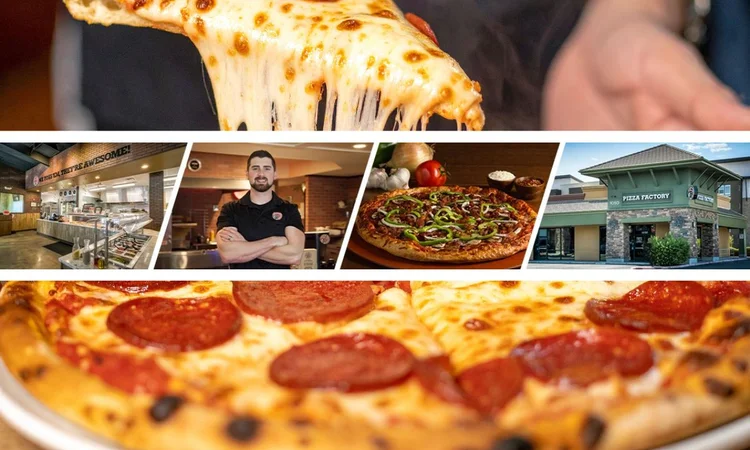
While pizza is, of course, the star of the show, Pizza Factory has diversified its menu to appeal to a wide variety of tastes. Each item reflects the brand’s commitment to fresh ingredients and hearty, satisfying portions.
Pizza Creations
Classic Pepperoni & Cheese – The timeless favorite, loaded with mozzarella and generous slices of pepperoni.
Specialty Pizzas – Signature creations like the “Factory Special” (loaded with meats and veggies) or “Fiesta Pizza” with a Southwestern kick.
Custom Creations – Guests can build their pizza, choosing from a wide array of meats, cheeses, and veggies.
Beyond Pizza
Calzones – Baked to perfection, filled with cheesy goodness.
Pastas – Classic Italian dishes like spaghetti, fettuccine alfredo, and lasagna.
Sandwiches & Subs – Toasted subs packed with fresh ingredients.
Salads – Crisp, refreshing options for lighter dining.
Appetizers & Sides – Garlic bread, wings, mozzarella sticks, and more.
And of course, desserts and beverages round out the experience, making Pizza Factory not just a pizza stop but a full dining destination.
Franchise Growth: From Small Towns to National Recognition
What started as one location in California has grown into more than 100 locations across the United States. Unlike many chains that focus on major metropolitan markets, Pizza Factory strategically expands into small towns and suburban communities, often becoming the primary pizza destination in those areas.
Why Franchisees Choose Pizza Factory
Proven Business Model – With decades of success, Pizza Factory offers franchisees a tried-and-true operational blueprint.
Community-Focused Approach – Owners become local leaders, not just business operators.
Support & Training – The corporate team provides extensive training, marketing support, and operational guidance.
Flexible Store Formats – Pizza Factory adapts to different markets with dine-in, take-out, and delivery options.
This strategy makes Pizza Factory particularly appealing to entrepreneurs who want to make an impact locally while building a profitable business.
Standing Out in a Crowded Market
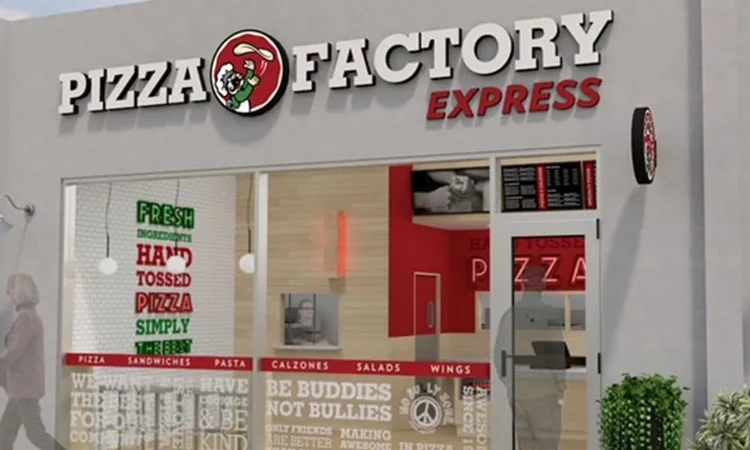
The pizza industry in the U.S. is highly competitive, with household names like Domino’s, Papa John’s, and Pizza Hut dominating national advertising. So how does Pizza Factory stand out?
Local Connection: Customers feel invested in Pizza Factory because Pizza Factory is invested in them.
Consistent Quality: From dough to sauce, ingredients are fresh and prepared with care.
Dining Atmosphere: Many locations are designed as casual, welcoming hangouts, with arcade games, TVs, and décor that reflects the local community.
Customization: Unlike cookie-cutter chains, Pizza Factory encourages personalization in both menu items and franchise operations.
It’s this unique blend of big-chain professionalism and small-town charm that keeps Pizza Factory thriving.
Community Involvement: More Than Just Marketing
One of the hallmarks of Pizza Factory is its anti-bullying initiative. The brand has taken a stand against bullying by creating programs that spread awareness in schools and communities, often with posters and slogans displayed inside restaurants. This social responsibility has given Pizza Factory a reputation as a brand that genuinely cares about young people and their futures.
Additionally, many locations participate in:
School fundraisers and sponsorships
Sports team support
Local charity drives
This kind of grassroots involvement makes Pizza Factory more than a restaurant, it’s a partner in community building.
Adapting to Modern Times
Like many restaurants, Pizza Factory faced challenges during the COVID-19 pandemic. However, it quickly adapted with:
Enhanced delivery and takeout services
Contactless ordering
Third-party delivery partnerships
Even beyond the pandemic, Pizza Factory continues to innovate by embracing technology like mobile apps, online ordering, and loyalty programs. This helps it stay relevant with younger generations while keeping its traditional charm.
The Road Ahead: What’s Next for Pizza Factory, Inc.?
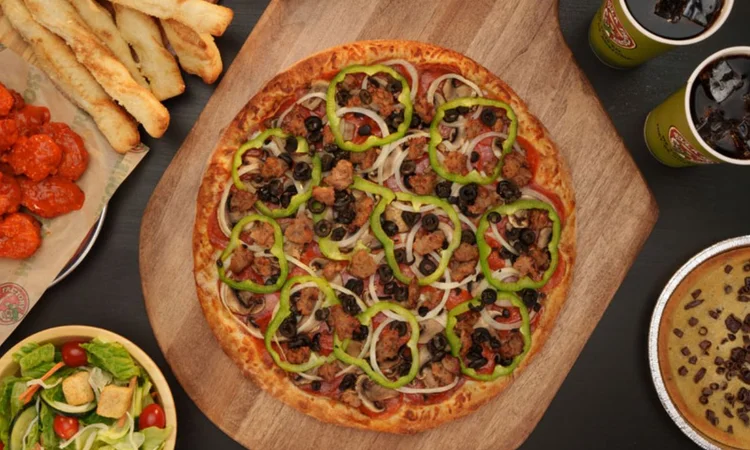
As Pizza Factory looks toward the future, it continues to strike a balance between growth and authenticity. New franchise locations are opening across the U.S., and the brand is exploring ways to further enhance its digital ordering platforms.
But what remains unchanged is the company’s mission to strengthen communities through food and relationships. In an era when many businesses chase scale at the expense of authenticity, Pizza Factory stands out for staying true to its roots.
Why Pizza Factory Matters Today
In 2025, as the dining industry continues to evolve, Pizza Factory’s model feels more relevant than ever. Consumers want:
Authenticity in the brands they support.
Community connections instead of transactional dining.
Quality and customization rather than one-size-fits-all menus.
Pizza Factory delivers all three. Its decades of success prove that even in a crowded market, there’s always room for brands that put people first.
Final Thoughts: A Slice of the Future
Pizza Factory, Inc. isn’t just about pizza. It’s about tradition, community, and values. From its roots in a small California town to becoming a beloved franchise across the country, the brand represents the best of what local dining can be: approachable, authentic, and deeply woven into the fabric of its communities.
For pizza lovers, stepping into a Pizza Factory isn’t just about grabbing a quick bite; it’s about sharing a meal with family, supporting local values, and being part of something bigger than yourself.
As Pizza Factory continues to grow, its recipe for success remains simple but powerful: quality food, community spirit, and a whole lot of heart.








Leave a Reply
Your email address will not be published.