


Culturally responsive teaching includes three dimensions: institutional, personal, & instructional. Providing education & grasping the given education occurs in a supportive environment where every culture is looked upon equally. The approach should be student-centric, wherein the strengths of the students should be identified & utilized to promote student achievement in the classroom. Inclusion is a value that fosters a supportive environment when the students feel lesser in morale or underconfident.
Redefining Educational ROI
Historically, the return on investment in education has been measured through standardized test scores, graduation rates, and college enrollment. However, these traditional metrics often overlook the economic ripple effects of inclusive, community-centered instruction. Culturally responsive teaching—an approach that affirms students' cultural backgrounds while promoting academic rigor—is now being recognized as a catalyst for boosting local economies.
According to the U.S. Department of Education, schools that have implemented diverse teaching practices report an increase in student engagement and a reduction in dropout rates by up to 30%. These improvements translate into long-term workforce development benefits. Students who stay in school and achieve academic success are more likely to pursue higher education and skilled careers, directly feeding into the local economic engine.
Strengthening Workforce Readiness

One of the most direct economic impacts of culturally responsive teaching lies in its ability to enhance workforce readiness. By embedding cultural relevance into the curriculum, educators prepare students not just to pass tests but to thrive in multicultural work environments. This inclusive pedagogy develops critical thinking, collaboration, and communication skills—competencies highly valued by employers in the modern U.S. job market.
Local businesses, particularly in metropolitan areas with diverse populations, are beginning to recognize the value of graduates shaped by inclusive teaching. These students enter the workforce with a heightened sense of cultural intelligence and adaptability, making them more employable and productive from day one.
Creating Equitable Access to Opportunities
Educational inequity is not just a moral concern—it’s an economic one. Disparities in educational outcomes often mirror disparities in community prosperity. Culturally responsive teaching helps level the playing field by acknowledging and addressing systemic barriers to learning. By validating the lived experiences of all students, this approach fosters greater academic achievement across racial, linguistic, and socioeconomic lines.
The Brookings Institution reports that reducing the achievement gap by half could add $50 trillion to the U.S. economy over the next 80 years. Local communities that implement culturally responsive teaching early are thus better positioned to realize these gains by cultivating a more inclusive and productive labor force.
Attracting Investment in Education
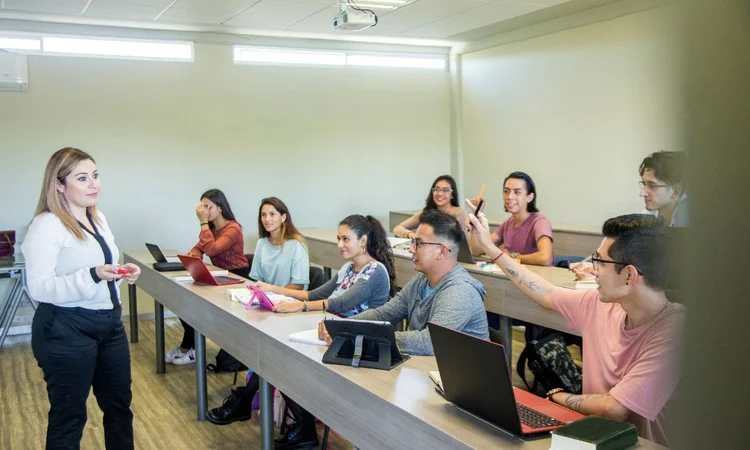
Communities that embrace equity teaching are not only improving educational outcomes but are also attracting investment. Philanthropic organizations, educational startups, and government grants increasingly favor districts that prioritize equity and inclusivity. These funds often lead to infrastructure improvements, technology upgrades, and professional development for educators—all of which contribute to local economic development.
Moreover, school districts with a reputation for embracing culturally responsive teaching become magnets for talented educators and administrators. This influx of skilled professionals bolsters local real estate, retail, and service sectors, generating a virtuous cycle of economic growth tied to educational excellence.
Empowering Educators as Change Agents
A critical component of culturally responsive teaching’s economic impact lies in teacher empowerment. When educators are trained to incorporate students’ cultural contexts into their pedagogy, they become more effective and satisfied in their roles. This leads to higher retention rates, reducing the high costs associated with teacher turnover—which, according to the Learning Policy Institute, can exceed $20,000 per teacher in urban districts.
By retaining experienced, culturally competent teachers, schools ensure continuity in student success and lessen the financial strain on district budgets. Furthermore, empowered educators often engage more with their communities, driving local initiatives that extend beyond classroom walls and into neighborhood revitalization.
Enhancing Social Capital
Diverse teaching also plays a significant role in building social capital within communities. When students see their identities reflected in the curriculum, they are more likely to participate in civic life, volunteer, and engage with local governance. This increased social cohesion has long-term economic benefits, such as reduced crime rates and stronger local institutions.
Programs that integrate culturally responsive teaching have seen parental engagement increase significantly. Parents are more willing to support schools—financially and with their time—when they believe their children are respected and understood. This support often translates into higher school ratings and increased property values, further enriching the local economy.
A Roadmap for Sustainable Growth

As the U.S. education system grapples with post-pandemic recovery, labor shortages, and widening achievement gaps, equity teaching emerges not just as a pedagogical tool but as a roadmap for sustainable economic growth. Local education ecosystems that invest in this approach are better equipped to produce resilient, adaptable, and socially conscious graduates who can drive community prosperity.
This is particularly relevant for startup entrepreneurs and corporate leaders seeking long-term talent pipelines. Supporting school districts that implement multicultural teaching can ensure a steady flow of diverse, skilled professionals ready to meet the evolving demands of the workforce.
Conclusion
Culturally responsive teaching is often framed in terms of fairness, inclusivity, and academic success. While these are essential outcomes, the economic implications are equally significant. From workforce readiness to community development and educational investment, this teaching method is shaping a future where education is both equitable and economically strategic.
For C-suite executives, investors, and policymakers, the message is clear: championing diverse teaching isn’t just good ethics—it’s smart economics. It’s time to recognize and support this transformative approach as a cornerstone of local educational and economic ecosystems.










Leave a Reply
Your email address will not be published.