


In an increasingly interconnected world, education is no longer just about imparting knowledge. It’s about developing well-rounded individuals who understand and respect the diversity of cultures, beliefs, and perspectives that shape the world around them. The intersection of culture and learning plays a critical role in fostering a holistic education that prepares students for both personal success and global citizenship. In this article, we will explore how cultural awareness enhances the learning process and why it is essential for creating a more inclusive, empathetic, and dynamic educational experience.
Understanding Holistic Education
Holistic education is an approach to learning that seeks to educate the whole person—mind, body, and spirit—while integrating academic, social, emotional, and ethical growth. It emphasizes the importance of experiential learning, personal development, and cultivating a sense of responsibility toward society. At the core of holistic education is the idea that learning is not just about academic achievement but about developing life skills and values that help students become responsible, empathetic, and well-rounded individuals.
Key Features of Holistic Education:
Student-Centered Learning: Focuses on the needs, interests, and growth of the student, fostering engagement and a deep sense of curiosity.
Emotional and Social Development: Prioritizes the emotional well-being and social growth of students alongside academic success.
Ethical and Moral Understanding: Encourages the development of strong ethical values and a sense of responsibility toward society and the environment.
Critical Thinking and Creativity: Fosters a learning environment that encourages questioning, exploration, and innovation.
The Role of Culture in Learning
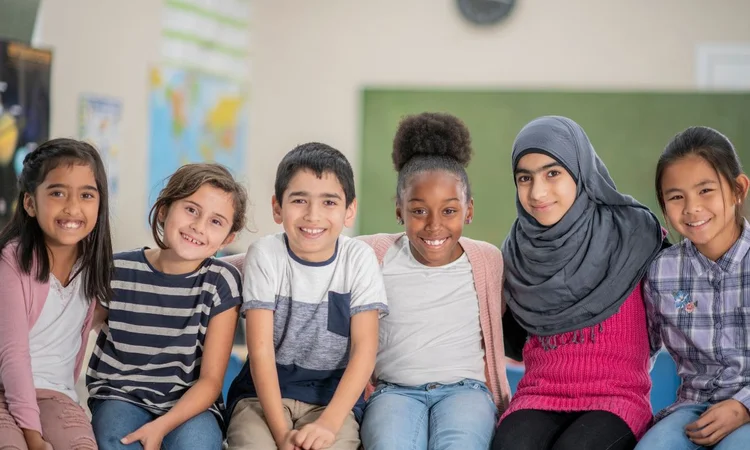
Culture, in the context of education, refers to the shared values, traditions, languages, and beliefs of different communities. It influences how individuals think, learn, and interact with the world. By incorporating cultural elements into the learning process, educators can help students develop a deeper understanding of both themselves and the world around them.
The Impact of Culture on Education:
Diverse Perspectives: Exposure to diverse cultures broadens students’ perspectives and encourages empathy, respect, and open-mindedness.
Inclusive Learning Environments: Culturally responsive teaching practices create inclusive environments where all students feel valued and respected.
Critical Thinking Skills: Learning about different cultures challenges students to think critically, question assumptions, and engage with new ideas and viewpoints.
Global Citizenship: A culturally inclusive education fosters the development of global citizens who are aware of and can navigate the complexities of a globalized world.
How Cultural Awareness Enhances the Learning Process
Cultural awareness enhances the learning process by fostering an inclusive, diverse, and respectful classroom environment. When students feel seen and understood, they are more likely to engage deeply with the material, collaborate with peers, and develop a genuine interest in learning. By integrating cultural knowledge into the curriculum, educators can make lessons more relevant, engaging, and meaningful for all students.
1. Creating Culturally Relevant Curriculum
A culturally relevant curriculum acknowledges and reflects the diversity of the student population. This approach helps students connect what they are learning to their own experiences and backgrounds, making the material more relatable and meaningful. For example, incorporating literature, history, and art from different cultures can help students develop a deeper appreciation for global perspectives.
Diverse Reading Materials: Including texts and resources from various cultural backgrounds enriches the learning experience and promotes inclusivity.
Cultural Context in Lessons: Providing students with the historical and cultural context behind topics or global issues helps them understand the material from multiple viewpoints.
Celebrating Diversity: Highlighting various cultural traditions, holidays, and practices fosters appreciation and respect for differences.
2. Encouraging Empathy and Understanding
When students are exposed to the values, beliefs, and experiences of people from different cultures, they are more likely to develop empathy and understanding. This emotional growth can lead to stronger interpersonal relationships and a more positive classroom environment. Students learn that while cultural differences exist, shared human experiences unite them in meaningful ways.
Peer Collaboration: Encouraging group work and peer discussions allows students from diverse backgrounds to share their unique experiences and perspectives.
Storytelling and Sharing: Integrating storytelling into lessons can give students the opportunity to share personal experiences, learn from one another, and appreciate different cultural narratives.
3. Supporting Social and Emotional Development
Cultural awareness is vital in fostering students' emotional intelligence and social skills. When students feel that their culture is represented in the classroom, they experience a sense of belonging, which can lead to improved mental health, self-esteem, and a positive attitude toward learning. Furthermore, understanding cultural norms and practices fosters respect and cooperation among students, leading to a more harmonious classroom dynamic.
Identity Formation: Acknowledging and celebrating students' cultural identities helps them develop a stronger sense of self and confidence.
Emotional Resilience: Learning about different cultural responses to challenges helps students develop emotional resilience and coping strategies in their own lives.
The Benefits of Fostering a Holistic and Culturally Inclusive Education

Fostering a holistic and culturally inclusive education provides numerous benefits, both for individual students and for society as a whole. Students who engage in such an education are better equipped to navigate an increasingly complex world. Here are some of the most significant benefits:
1. Promoting Critical Thinking and Problem-Solving
Exposure to diverse perspectives challenges students to think critically, question assumptions, and engage with ideas that are outside their own frame of reference. This ability to think critically is essential in today’s world, where global issues demand creative solutions and innovative thinking. By integrating cultural knowledge and understanding into education, students can better analyze situations from different angles, leading to more comprehensive and effective problem-solving.
Analytical Skills: A holistic and culturally informed education helps students sharpen their analytical skills and approach problems from multiple perspectives.
Global Problem Solving: Encouraging students to address global challenges with an understanding of cultural context prepares them to think critically about solutions.
2. Building Global Citizenship
As our world becomes more interconnected, global citizenship has become an essential skill. Students who receive a culturally inclusive education are more likely to become empathetic, open-minded global citizens who respect diversity and contribute positively to global issues. This is particularly important in a world where social, political, and environmental issues require collaboration across borders and cultures.
Collaborative Mindset: Fostering a global mindset helps students work effectively with peers from various cultural backgrounds.
Social Responsibility: Students are more likely to understand their role in addressing global challenges and contributing to positive societal change.
3. Preparing for the Workforce
The modern workforce is increasingly diverse, with people from various cultures working together in a globalized economy. A culturally inclusive education equips students with the skills and knowledge necessary to work in diverse teams, communicate across cultural boundaries, and adapt to the global workplace.
Cultural Competence: A culturally aware education helps students develop cultural competence, which is vital in international business, diplomacy, healthcare, and many other industries.
Workplace Inclusion: Students who understand the value of diversity are more likely to contribute to inclusive and collaborative work environments.
Integrating Cultural Learning into Education Systems
To foster a holistic education that incorporates cultural awareness, schools and educational institutions need to adopt practices that promote inclusivity at every level of learning. Here are some strategies for integrating cultural learning into the curriculum:

1. Teacher Training and Professional Development
Teachers play a crucial role in fostering a culturally inclusive environment. Providing educators with professional development opportunities that focus on cultural awareness and inclusive teaching practices is essential for creating classrooms that value diversity and promote understanding.
Cultural Competency Workshops: Offering workshops and training sessions on cultural competency helps educators address the needs of diverse learners.
Inclusive Teaching Strategies: Teachers can be trained on strategies to create inclusive lesson plans and activities that celebrate diversity and encourage cultural understanding.
2. Community Involvement and Partnerships
Collaborating with local communities and cultural organizations can enhance the educational experience by bringing real-world cultural experiences into the classroom. Guest speakers, cultural events, and field trips are excellent ways to immerse students in diverse cultures and expand their learning.
Guest Speakers and Workshops: Invite community members from diverse backgrounds to share their knowledge and experiences with students.
Cultural Celebrations: Organize school-wide cultural celebrations, events, or festivals to highlight the rich diversity within the community.
Conclusion
The intersection of culture and learning is essential for fostering a holistic education that prepares students for success in a globalized world. By incorporating cultural awareness into education, we can promote empathy, critical thinking, and social responsibility among students. A culturally inclusive education provides students with the skills and knowledge needed to navigate an increasingly diverse and interconnected world, preparing them to become global citizens who contribute positively to society.









Leave a Reply
Your email address will not be published.