


In a time when attention spans are shrinking and the volume of information is exponentially growing, educators and technologists alike are searching for better ways to engage learners. One technique that has emerged as particularly powerful in the digital learning space is the mindmapping technique. Once relegated to brainstorming sessions in boardrooms, mindmapping is now being leveraged across U.S. digital learning platforms to create more engaging, personalized, and effective educational experiences.
Understanding the Mindmapping Technique
The visual mapping technique is a visual learning strategy that involves organizing information hierarchically and associatively around a central concept. It usually includes a central node with related ideas branching out in a non-linear fashion. This format not only promotes better retention but also stimulates creative thinking.
Popularized by Tony Buzan in the 1970s, the technique mimics the way the human brain naturally processes information—by creating connections rather than following a strict linear path. Its visual nature taps into cognitive strengths that traditional note-taking or lecture methods may overlook.
The Rise of Digital Learning in the U.S.
Digital learning platforms in the U.S. are experiencing unprecedented growth. According to a 2023 report by ResearchAndMarkets, the U.S. e-learning market is expected to reach $65.41 billion by 2030, growing at a CAGR of 12.2%. This massive surge is driven by both institutional adoption and the increasing popularity of remote and hybrid education models.
In this fast-paced environment, learners demand tools that are not only efficient but also personalized. That’s where the mindmapping technique fits perfectly.
Why the Mindmapping Technique Is a Game-Changer in Digital Learning

Enhances Memory Retention The human brain is wired for visuals and patterns. Mindmaps use colors, symbols, and spatial organization to make content more memorable. Studies have shown that students using the cognitive mapping technique retain up to 30% more information than those who use linear notes.
Supports Non-linear Learning One of the key challenges in online education is that it often relies on linear content consumption. The mindmappingtechnique breaks this mold, allowing learners to explore concepts in an interconnected way that mirrors real-world thinking.
Promotes Personalized Learning Paths In digital platforms, mindmaps can be dynamically generated to cater to individual learners. This means that students can focus on areas where they need improvement, helping educators to implement truly personalized education strategies.
Improves Engagement Interactive mindmaps embedded within digital learning platforms offer a tactile and visual experience that traditional slides or PDFs simply cannot match. When students can interact with their learning material—dragging nodes, adding branches, inserting multimedia—they're far more engaged.
Applications Across Educational Levels
The mindmapping technique is not limited to K-12 or college students. It's also being used extensively in corporate training modules, continuing education, and executive development programs.
In K-12: Schools across the U.S. are adopting platforms like MindMeister and Canva’s mind map tools to help students summarize complex concepts.
In Higher Education: Universities are using mindmaps to aid in thesis planning, research structuring, and complex problem solving.
In Corporate Training: Companies are embedding mindmapping features in Learning Management Systems (LMS) to improve employee onboarding and upskilling programs.
EdTech Startups Driving Innovation
Several U.S.-based EdTech startups are integrating the cognitive mapping technique into their core functionality. For example:
Lucidchart for Education: Offers collaborative mindmapping that integrates with Google Classroom.
Miro and Mural: These platforms, although originally aimed at businesses, have pivoted into education due to demand from remote learning environments.
XMind and SimpleMind: Their mobile-friendly platforms are designed to help students and professionals quickly build visual notes on the go.
These companies are capitalizing on a growing need for engaging and intuitive learning tools, making the mindmapping technique more accessible than ever.
Case Study: Mindmapping in STEM Education

A notable example is a partnership between a U.S. EdTech provider and a Midwestern school district that implemented concept mapping tools in their STEM curriculum. Within one semester, the district reported a 22% improvement in concept comprehension and a 30% boost in class participation.
Such results are not isolated. When used correctly, mindmapping doesn't just enhance academic performance—it fundamentally transforms how students engage with material.
Role in Executive and Adult Learning
The benefits of the mindmapping technique extend to adult and executive learners as well. As more professionals turn to microlearning and self-paced online certifications, mindmapping helps break down complex concepts into digestible visual chunks. This aligns well with adult learning principles, which emphasize autonomy, relevance, and goal-orientation.
According to LinkedIn’s 2024 Workplace Learning Report, 57% of L&D professionals in the U.S. are prioritizing tools that enhance learner engagement. Mindmapping features are increasingly being built into e-learning suites to address this demand.
Challenges and Considerations
While the mindmapping technique has clear benefits, it's not without challenges. Not all learners find visual learning intuitive. Additionally, poorly designed mindmaps can overwhelm rather than aid comprehension. For successful implementation, educators must receive proper training, and platforms must offer user-friendly interfaces.
Privacy and data security also pose concerns, especially when learners are inputting personal data into cloud-based systems. U.S.-based platforms must ensure compliance with FERPA and other educational data regulations.
Looking Ahead: AI and Adaptive Learning
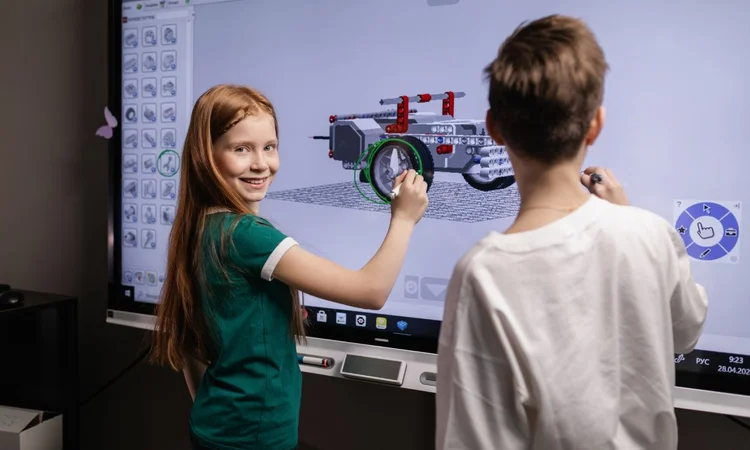
With the rise of AI in education, mindmapping is set to evolve further. Future platforms may use AI to automatically generate mindmaps from text, voice input, or even user behavior, creating dynamic and adaptive learning paths in real time.
Imagine a platform where a learner’s quiz results automatically update their mindmap, highlighting weak areas and suggesting targeted resources. This convergence of AI and the mindmapping technique could redefine personalized education in the digital age.
Conclusion
In the fast-evolving landscape of U.S. education technology, the mindmapping technique offers a powerful solution for enhancing digital learning experiences. Its ability to promote retention, personalize education, and engage learners makes it particularly valuable in today’s digital-first world.
For C-suite leaders, startup entrepreneurs, and educational managers, the opportunity is clear: investing in platforms and strategies that integrate mindmapping not only boosts learner outcomes but also positions your organization at the forefront of educational innovation.










Leave a Reply
Your email address will not be published.