


When Tracking Yourself Goes Too Far: The Anxiety of Wellness Overload

Marcus
Marcus

In today’s hyper-connected, health-conscious world, wellness has become synonymous with data. From wearable fitness trackers to smart scales, nutrition apps, sleep monitors, and heart rate sensors, technology promises to optimize every aspect of our physical and mental well-being. On the surface, tracking your health seems empowering; insights into sleep, activity, and diet can help you make better choices. But there’s a growing concern: wellness overload, where tracking becomes obsessive, and the pursuit of perfection fuels anxiety rather than health.

This article explores the phenomenon of wellness overload, why tracking can sometimes do more harm than good, and strategies to regain balance in a world dominated by data.

The Rise of Quantified Self and Wellness Tracking

The concept of the “quantified self” emerged in the early 2000s, emphasizing self-knowledge through data collection. Today, the trend has exploded:

  • Fitness trackers and smartwatches track steps, calories, heart rate, and oxygen levels.

  • Sleep apps and monitors analyze sleep cycles and quality.

  • Nutrition apps log calories, macronutrients, and water intake.

  • Mental health apps monitor mood, stress, and meditation habits.

For many, tracking offers tangible benefits: accountability, motivation, and measurable progress. However, when data becomes obsessive, the wellness journey can turn into a source of stress and anxiety.

How Tracking Can Lead to Anxiety
1. Obsessive Focus on Metrics

Constantly checking steps, calories, or sleep scores can make people value numbers over well-being. Missing a goal, like a daily 10,000 steps or eight hours of sleep, may lead to:

  • Guilt or self-criticism

  • Reduced motivation

  • Stress that counteracts health benefits

Ironically, the tools meant to improve wellness can undermine mental health when perfection becomes the standard.

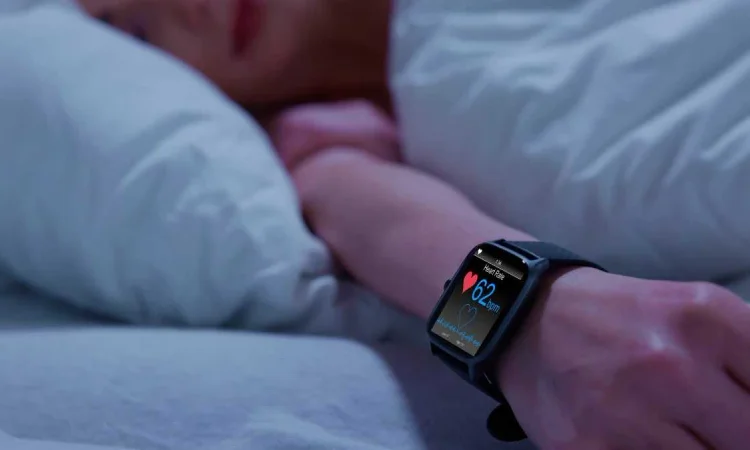
2. Sleep Tracking Stress (Orthosomnia)

Sleep tracking is popular, but it can cause sleep-related anxiety. People may:

  • Worry about achieving “perfect” sleep scores nightly

  • Overanalyze minor variations in sleep stages

  • Experience difficulty falling asleep due to pressure

Studies have shown that over-monitoring sleep can create a self-fulfilling cycle of insomnia, known as orthosomnia.

3. Diet and Calorie Counting Pressure

Nutrition tracking apps can be helpful, but constant logging may lead to:

  • Obsessive calorie restriction

  • Overemphasis on numbers rather than intuitive eating

  • Increased risk of disordered eating behaviors

Tracking every meal can transform nourishment from a mindful activity into a stressful, judgment-laden task.

4. Performance Anxiety from Fitness Goals

While wearable devices encourage activity, some users develop anxiety over “falling behind” benchmarks:

  • Feeling compelled to over-exercise to meet daily goals

  • Comparing personal data with others on social features

  • Experiencing guilt or inadequacy when routines are interrupted

This pressure undermines the joy of movement and can lead to burnout or injury.

5. Mental Health Monitoring Paradox

Apps that track mood, stress, or meditation are intended to improve mental well-being. Yet constant self-surveillance can:

  • Heighten awareness of negative moods

  • Encourage overthinking about emotions

  • Make temporary setbacks feel like failures

Ironically, obsessively monitoring mental health can increase stress and reduce resilience.

Signs You May Be Experiencing Wellness Overload

  1. Anxiety linked to missed goals – Worrying excessively about steps, calories, or sleep scores.

  2. Guilt-driven tracking – Feeling morally obligated to record or optimize health behaviors.

  3. Reduced enjoyment – Movement, meals, and relaxation feel like chores instead of pleasures.

  4. Sleep disruption – Obsessing over sleep data prevents restful rest.

  5. Social comparison stress – Using data to compete with peers instead of focusing on personal health.

If you recognize these patterns, it’s a sign that wellness tracking may be doing more harm than good.

Why Wellness Overload Happens

Several factors contribute to tracking-induced stress:

  • Data abundance: Modern devices provide excessive metrics, many of which are not meaningful.

  • Cultural pressure: Social media amplifies idealized wellness images, promoting comparison and competition.

  • Perfectionism: People with perfectionist tendencies are particularly susceptible to anxiety from missed goals.

  • Misunderstanding of data: Many users lack context to interpret metrics, leading to misjudgment of normal variations.

Recognizing these underlying causes is essential to regaining control over health behaviors.

Strategies to Prevent or Reduce Wellness Overload

1. Prioritize Meaningful Metrics

Focus only on metrics that align with your personal goals and well-being:

  • Steps and activity minutes instead of calories burned obsessively

  • Sleep duration over minor fluctuations in sleep stages

  • Mindful eating rather than meticulous calorie counting

2. Set Flexible Goals

  • Allow for variability; life is not a 10,000-step day every day.

  • Embrace “progress, not perfection” to reduce stress.

3. Use Devices as Tools, Not Authorities

  • View wearable devices and apps as guides, not rule-enforcing authorities.

  • Avoid checking metrics multiple times per hour.

4. Take Digital Breaks

  • Incorporate days or hours without tracking.

  • Practice intuitive movement, mindful eating, and unstructured rest.

5. Cultivate Mindful Awareness

  • Focus on how your body feels rather than only what numbers indicate.

  • Meditation, breathing exercises, or journaling can promote self-connection over data fixation.

6. Seek Professional Support

  • For persistent anxiety, sleep problems, or disordered eating, consult mental health or wellness professionals.

  • Professional guidance helps interpret metrics and integrate tracking into a balanced wellness routine.

The Benefits of Balanced Tracking

When used wisely, tracking can still enhance wellness without causing overload:

  • Provides insights for improvement rather than self-judgment.

  • Encourages accountability and awareness of lifestyle habits.

  • Supports gradual, sustainable changes in movement, sleep, and nutrition.

The key lies in moderation, reflection, and prioritizing overall well-being over perfection.

Conclusion

Wellness tracking offers tremendous potential to improve health, but when taken to extremes, it can create wellness overload, fueling anxiety, perfectionism, and self-criticism. In 2025, the challenge is not to abandon technology but to use it intelligently: focus on meaningful metrics, maintain flexibility, and prioritize mindful engagement with your body and mind.

Remember, health is a journey, not a scoreboard. Technology should serve your well-being, not dictate it. By reclaiming balance, you can harness the benefits of tracking without sacrificing mental peace, joy, or authenticity.


About the Author

Marcus
Marcus

Marcus Chen writes about preventive medicine and wellness trends, translating clinical guidelines into actionable health strategies. Their approach combines nutritional science with lifestyle medicine research. They focus on how daily habits affect long-term health outcomes and disease prevention. Their reporting highlights evidence-based interventions for chronic disease management. They frequently examine the gap between recommended guidelines and patient compliance. They are known for evaluating popular health claims against peer-reviewed research. Their perspective is informed by interviews with nutritionists, primary care physicians, and public health experts. They write about metabolic health, sleep science, and stress management techniques. They emphasize sustainable behavior change over quick fixes. Their work helps readers navigate conflicting health advice with scientific clarity.

Comments

Join the discussion and share your thoughts.

No comments yet. Be the first to comment.

Leave a Reply

Your email address will not be published.

Related Posts

Sleep Apnea and Insurance: How Coverage Gaps Are Affecting Patients and Providers?

Sleep Apnea and Insurance: How Coverage Gaps Are Affecting Patients and Providers?

The Payer Policy Review Committee of the American Academy of Sleep Medicine started an initiative to assess the alignment between clinical practice guidelines and private payer medical policies. Chronic sleep impairment is highly prevalent in polychronic patients. Sleep apnea is a widely caused sleep-related breathing disorder that results in several life-threatening diseases. It has systemic effects on various functional systems in the human body. Ignored sleep apnea can result in heart disease

Posted on: by Jessica Torres
Prostate Health Myths vs. Facts: What Every Man Should Know?

Prostate Health Myths vs. Facts: What Every Man Should Know?

Prostate health is one of the most crucial aspects of a man’s health discussion. There are several misunderstood preconceived notions about it. There is a lack of awareness in the context of this subject. Often men fail to recognize the significance of regular prostate screenings & the symptoms associated with it. Whenever in doubt about prostate issues, one should immediately contact a medical practitioner. This is one of the most pressing concerns overall on a global scale.

Posted on: by Rachel Kim
The Global Wellness Revolution: Shaping a Healthier Future for All

The Global Wellness Revolution: Shaping a Healthier Future for All

In today’s fast-paced world, the pursuit of wellness has become more than a trend—it is a way of life. Across continents and cultures, people are prioritizing their physical, mental, and emotional well-being like never before. The global wellness industry, valued at over $5 trillion and growing steadily, reflects this profound shift toward holistic health. From personalized wellness programs and digital health innovations to eco-friendly beauty and mindfulness practices, the industry is reshapin

Healthcare
Cold Water Therapy and Cardiovascular Health: Safe or Risky?

Cold Water Therapy and Cardiovascular Health: Safe or Risky?

Opting for cold water therapy has become a popular trend these days over the internet. You can see a lot of celebs, influencers & prominent personalities trying this trend. The trend is known as the polar bear plunge in anticipation of raising funds for a social cause. When exposed to cold water it enhances blood pressure and fat levels for those who’re in good health generally. Our hearts work harder when we’re moving through water than when we’re on land.

Healthcare
How AI and Machine Learning Are Revolutionizing Emergency Care?

How AI and Machine Learning Are Revolutionizing Emergency Care?

Healthcare is a challenging and complex sphere for those in the emergency care sector niche. Artificial intelligence (AI) & Machine Learning (ML) have been emerging in the arena of healthcare to disrupt the conventional methods of giving patient care. This integration of AI in emergency nursing can significantly transform patient treatment & be life-saving, which was not possible a decade ago. The promise of AI in improving emergency healthcare practices and patient care is clear, yet the identi

Healthcare
The Role of Immunotherapy in Chronic Disease Management

The Role of Immunotherapy in Chronic Disease Management

Chronic disease management has become a global healthcare priority, as conditions such as cancer, diabetes, rheumatoid arthritis, and multiple sclerosis continue to affect millions worldwide. Traditional treatments often focus on symptom control rather than addressing the root cause of the disease. However, the rise of immunotherapy is revolutionizing chronic disease management by harnessing the body's immune system to fight illnesses more effectively.

Healthcare
How is Health AI addressing Disparities in Rural Healthcare Access?

How is Health AI addressing Disparities in Rural Healthcare Access?

Access to quality healthcare remains a persistent challenge for rural communities worldwide. Rural populations often face a shortage of healthcare providers, longer travel times to medical facilities, and limited access to specialized treatments. Health AI, the integration of artificial intelligence in healthcare services, is emerging as a transformative solution to bridge these gaps. By leveraging machine learning, predictive analytics, and telemedicine, health AI is enabling early disease dete

Healthcare
How is Digital Health Closing the Gap in Rural and Underserved Communities?

How is Digital Health Closing the Gap in Rural and Underserved Communities?

Digital health tools can help improve access to outcomes for patients that need care & attention in more than many ways. Over a single app, it bridges the gap between the instant action needed & the suffering of the patients. Rural communities often face the challenge of access to healthcare services partially due to limited healthcare infrastructure. Digital health is an instant solution to problems like geographic isolation, shortage of health professionals, and socioeconomic disparities. Thes

Healthcare
Remote Monitoring and Mental Health: Can Digital Tools Improve Patient Outcomes?

Remote Monitoring and Mental Health: Can Digital Tools Improve Patient Outcomes?

Mental health disorders affect over 970 million people worldwide, according to the World Health Organization (WHO), with conditions like anxiety, depression, and stress-related disorders becoming more prevalent. Despite growing awareness, mental healthcare access remains a challenge, particularly due to shortages of professionals, high treatment costs, and stigma.

Healthcare
How Pharma Giants Are Partnering With Digital Therapeutics Startups?

How Pharma Giants Are Partnering With Digital Therapeutics Startups?

In an era when healthcare is shifting from volume to value, pharmaceutical giants are entering a new kind of collaboration—one that's not grounded in chemistry, but in code. The rise of digital therapeutics (DTx) is rapidly changing how conditions are treated, managed, and even prevented, and major pharma players aren’t just watching—they’re investing, integrating, and innovating alongside nimble startups. This isn’t a passing trend. It’s a redefinition of healthcare delivery, and it’s setting t

Healthcare