
TikTok has transformed how we discover new trends, from dance moves to fashion hacks, and now, nutrition advice. While the platform offers entertaining content and creative ideas, it’s also become a hotspot for dubious diet trends that can spread misinformation quickly. With influencers touting extreme cleanses, miracle powders, or untested supplements, it’s important to separate hype from science.
To help you navigate the sea of TikTok nutrition content, we consulted registered dietitians to identify ten popular trends that are better skipped. This guide explains why these trends are problematic, what the risks are, and safer alternatives for supporting your health.
1. Detox Teas and Cleanses
Why They’re Popular on TikTok:
Videos claiming that detox teas can “flush toxins” or help you lose weight quickly have gone viral. Many feature influencers demonstrate dramatic transformations after short-term tea regimens.
What Dietitians Say:
Detox teas often contain laxatives or diuretics, which can lead to dehydration, electrolyte imbalances, and digestive issues.
The body already detoxifies naturally through the liver and kidneys; no special tea is required.
Safer Alternative:
Focus on hydration, fiber-rich foods, and balanced meals to support your body’s natural detox pathways. Green leafy vegetables, whole grains, and adequate water intake are proven to support liver and kidney health.
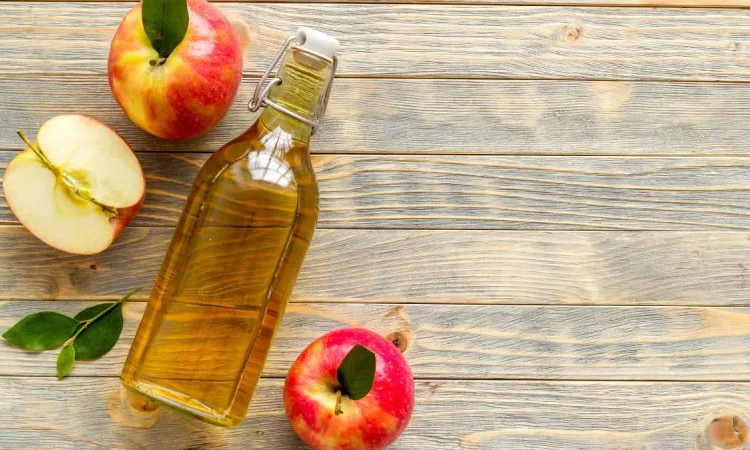
2. Apple Cider Vinegar “Fat-Burning” Shots
Why They’re Popular on TikTok:
Short videos claim ACV can accelerate fat loss or suppress appetite almost magically. Users often mix it with water or other drinks for “miraculous results.”
What Dietitians Say:
ACV may aid digestion slightly, but there’s no evidence it burns fat.
Consuming large amounts can damage tooth enamel, irritate the esophagus, and affect potassium levels.
Safer Alternative:
Incorporate apple cider vinegar in small amounts as a salad dressing rather than a concentrated shot. Pair it with a balanced diet and regular exercise for sustainable weight management.
3. Extreme Intermittent Fasting Hacks
Why They’re Popular on TikTok:
Videos tout fasting periods far beyond recommended windows, such as skipping multiple meals or fasting for 24+ hours for rapid weight loss.
What Dietitians Say:
Extreme fasting can cause dizziness, fatigue, nutrient deficiencies, and disordered eating patterns.
It’s particularly risky for teens, pregnant individuals, and those with certain medical conditions.
Safer Alternative:
Follow moderate intermittent fasting schedules (e.g., 12–16 hours) if appropriate for your lifestyle, and consult a healthcare professional before extreme fasting experiments.
4. “Miracle” Weight Loss Pills and Gummies
Why They’re Popular on TikTok:
Influencers often market pills, gummies, or powders claiming to melt fat or suppress appetite effortlessly.
What Dietitians Say:
Most of these products are not FDA-approved, often lack scientific validation, and may contain harmful ingredients.
Relying on supplements alone ignores the importance of balanced nutrition and activity.
Safer Alternative:
Focus on whole foods, nutrient-dense snacks, and portion control. Supplements should only be taken under professional guidance.
5. Fruit-Only or Mono Diets
Why They’re Popular on TikTok:
Trendy “fruit cleanses” promise rapid weight loss by limiting intake to a single fruit or fruit-based meals for several days.
What Dietitians Say:
Mono diets can lead to nutrient deficiencies (protein, fats, vitamins), blood sugar spikes, and energy crashes.
They’re unsustainable and often lead to rebound weight gain.
Safer Alternative:
Incorporate fruit as part of a balanced diet with lean proteins, whole grains, and healthy fats to stabilize energy and maintain long-term health.
6. Carbohydrate Elimination Challenges
Why They’re Popular on TikTok:
Trendy videos promote cutting carbs entirely, claiming it leads to quick weight loss or “detoxification.”
What Dietitians Say:
Carbs are the body’s primary energy source; eliminating them can result in fatigue, irritability, and nutrient deficiencies.
Extreme low-carb diets may also negatively affect gut health.
Safer Alternative:
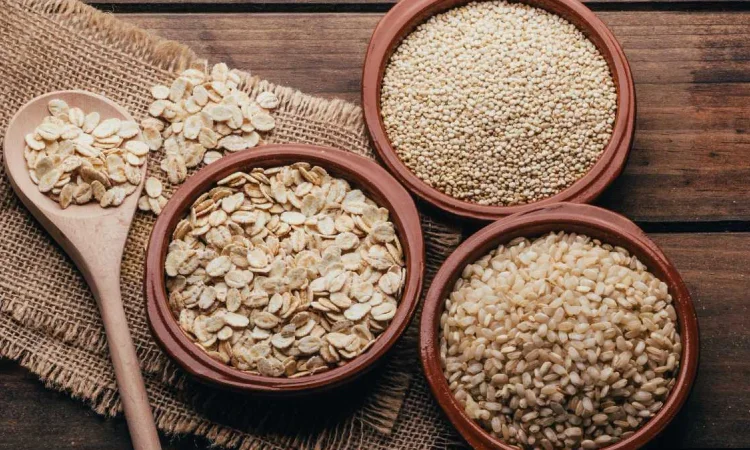
Focus on complex carbohydrates like oats, quinoa, brown rice, and legumes. These provide fiber, sustained energy, and essential nutrients without unnecessary restriction.
7. Extreme “Cheat Meal” or Overrestriction Cycles
Why They’re Popular on TikTok:
Some trends promote eating very restrictively for most days, followed by indulgent “cheat meals” to reset metabolism or reward oneself.
What Dietitians Say:
This pattern fosters a toxic relationship with food, including binge-restrict cycles.
It can contribute to guilt, anxiety, and disordered eating patterns.
Safer Alternative:
Adopt a flexible, balanced approach to eating where all foods have a place, focusing on moderation rather than extremes.
8. Collagen Powder Overload
Why They’re Popular on TikTok:
Collagen powders are promoted for glowing skin, joint support, and anti-aging effects, often with claims that huge daily doses are essential.
What Dietitians Say:
While collagen can be beneficial, overconsumption is unnecessary.
Collagen supplements are not a substitute for protein-rich foods, vitamins, and minerals required for skin and joint health.
Safer Alternative:
Get protein from lean meats, legumes, and dairy, and consider collagen as a moderate supplement if desired. A balanced diet supports skin and joint health naturally.
9. Overhyped “Detox Water” Recipes
Why They’re Popular on TikTok:
Infused water recipes claiming to “flush fat” or remove toxins are trendy and often paired with dramatic before-and-after footage.
What Dietitians Say:
While staying hydrated is important, infused water does not magically detoxify the body.
These claims are misleading and can distract from real nutrition habits.
Safer Alternative:
Enjoy infused water for taste and hydration, but pair it with a balanced diet and consistent water intake for true health benefits.
10. Unrealistic Portion Hacks
Why They’re Popular on TikTok:
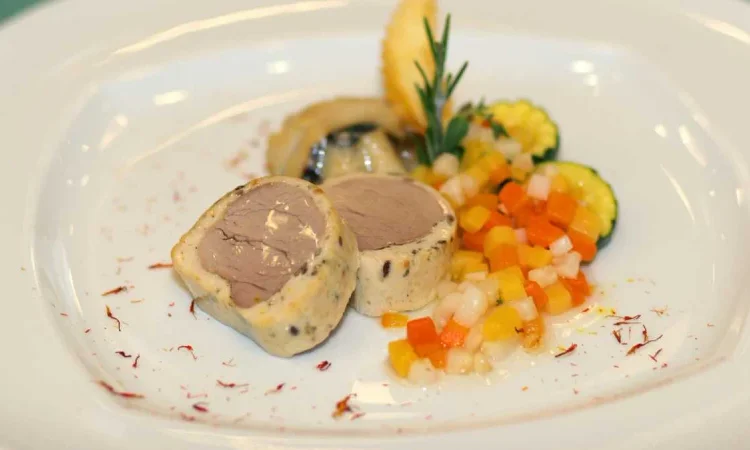
Some TikTok trends encourage ultra-restricted portions using small containers or creative “visual hacks” to trick the brain.
What Dietitians Say:
Overly restrictive portions can cause nutrient deficiencies and metabolic slowdowns.
They may foster obsessive eating patterns and anxiety around food.
Safer Alternative:
Practice mindful eating and listen to hunger cues. Use balanced plate methods (half veggies, one-quarter protein, one-quarter whole grains) for sustainable results.
Tips for Navigating Nutrition Trends on TikTok
Check Credentials: Only follow advice from registered dietitians or licensed professionals.
Research Claims: Verify with peer-reviewed studies or reputable health organizations.
Avoid Extremes: If a trend sounds too good to be true, it probably is.
Prioritize Whole Foods: Focus on balanced meals with fruits, vegetables, protein, and whole grains.
Consult Professionals: Before drastically changing your diet, speak with a dietitian or physician.
Conclusion
TikTok is full of creative and entertaining nutrition content, but not everything should be applied to your diet. The ten trends listed above, detox teas, extreme fasting, mono diets, and more, may be harmful or unsustainable, despite their viral appeal.
The key to a healthy, effective diet is balance, science-backed practices, and personalization. Rather than chasing viral trends, focus on building long-term, sustainable habits that support energy, wellness, and a positive relationship with food.
By approaching TikTok trends critically and consulting dietitians, you can enjoy the platform’s fun side without compromising your health. Remember: your body deserves evidence-based nutrition, not hype.






Leave a Reply
Your email address will not be published.